

Grijskruinduif vs Guirakoekoek
Leptotila rufaxilla versus Guira guira
Speel een quiz met Grijskruinduif en Guirakoekoek
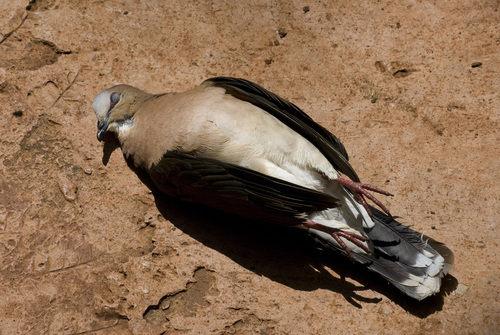 Grijskruinduif
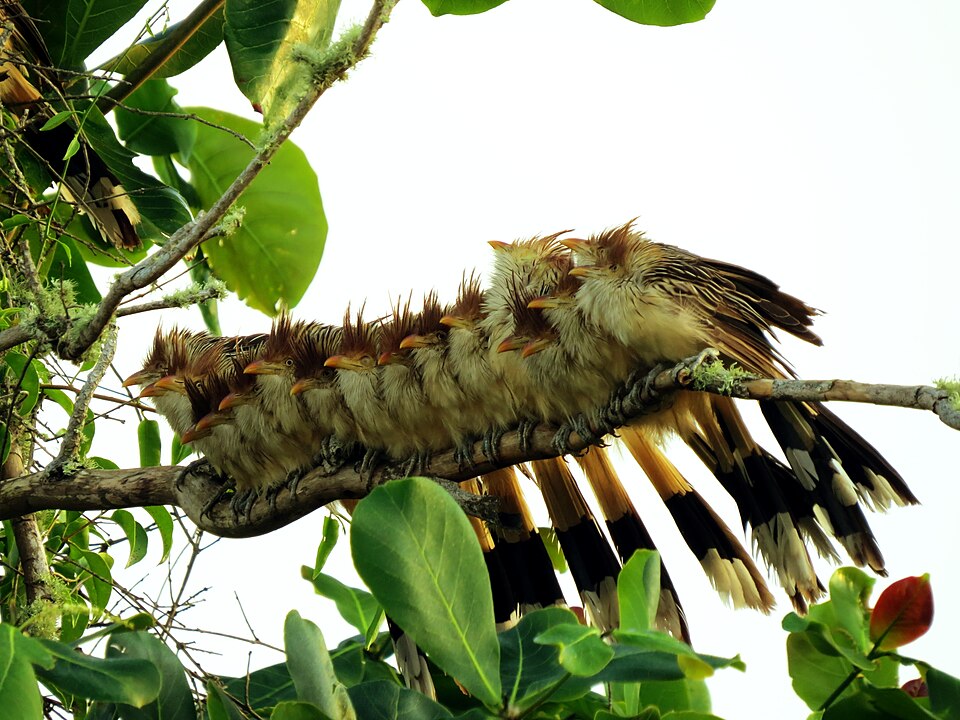 Guirakoekoek
Kort gezegd
De meest betrouwbare veldkenmerk om Grijskruinduif van Guirakoekoek te scheiden is de algehele structuur en houding: de duif is compact, met een korte nek en ronde vleugels, terwijl de koekoek lang en slank is, met een lange staart, een prominente kuif en een meer horizontale houding. Juveniele Grijskruinduiven vertonen roestkleurige randen op de bovenkant en gestreepte borsten, in tegenstelling tot enige Guirakoekoek. In de vlucht zijn de lange, brede staart van de koekoek met een witte punt en zijn gestreepte bovenkant kenmerkend, terwijl de duif een meer uniforme olijfbruine rug en witgetipte buitenste staartveren vertoont. Vocalisaties zijn ook volledig verschillend, met de Guirakoekoek die luide, scherpe, jammerende roepen geeft, en de duif die veel stiller is.
Herkenningstips
- Juveniele verenkleed: Zoek naar roestkleurige randen op de bovenkant en gestreepte borst bij juveniele Grijskruinduif; Guirakoekoek juvenielen missen deze kenmerken en lijken op volwassenen.
- Staartvorm en -lengte: Guirakoekoek heeft een zeer lange, brede, donkerbruine staart met een opvallende witte punt, vaak in een waaier of hangend gehouden; Grijskruinduif heeft een kortere, ronde staart met zwartachtige buitenveren en witte punten, maar de staart is nooit zo lang of zo prominent als die van de koekoek.
- Kuif: Alleen Guirakoekoek heeft een prominente oranje-roestkleurige kuif, die vaak omhoog staat en zeer zichtbaar is; Grijskruinduif heeft geen kuif.
- Gezichtshuid en oogring: Grijskruinduif vertoont een kale rode oogring omgeven door roze-witte veren; Guirakoekoek heeft een dunne veelloze gele oogring, en het oog zelf is geel tot oranje.
- Snavelkleur en -vorm: De snavel van de duif is zwart en kort; de snavel van de koekoek is geel tot oranje, langer en licht gebogen.
- Patroon op de bovenkant: De duif is olijfbruin boven met vage bronzen/paarse tinten op de mantel en geen sterke strepen; de koekoek is donkerbruin boven met zware witte strepen.
- Kleur van de onderkant: De duif heeft een roze-witte keel, grijsachtige roze borst en een witte buik; de koekoek is witachtig-buff onder, zonder roze tinten.
- Houding en jizz: De duif is compact, met een korte nek en rond; de koekoek is slank, met een lange staart, en lijkt vaak uitgestrekt, vooral wanneer hij zit.
- Vluchtstijl: De duif vliegt sterk en recht met snelle vleugelslagen; de koekoek is een zwakke vlieger, vaak glijdend of met korte, moeizame vluchten.
- Sociaal gedrag: Guirakoekoek is bijna altijd in luidruchtige groepen; Grijskruinduif is solitair of in paren en zeer stil.
- Habitatcontext: Open land, parken of tuinen zijn gunstig voor de koekoek; dichte bossen of bosgebieden zijn gunstig voor de duif.
- Vocalisaties: Luide, scherpe, jammerende roepen duiden op Guirakoekoek; zacht cooien is typisch voor Grijskruinduif.
- Kleur van de poten: De duif heeft rode poten en voeten; de koekoek heeft donkergrijze poten.
- Geslachtsverschillen: Vrouwelijke duiven zijn bruiner en meer olijfkleurig dan mannelijke, maar dit is subtiel; de geslachten van Guirakoekoek zijn bijna identiek, met vrouwelijke slechts iets groter.
- Geur: Guirakoekoek geeft naar verluidt een sterke, doordringende geur af, wat uniek is onder deze twee, hoewel het geen praktisch veldkenmerk is, tenzij je de vogel vasthoudt.
Grootte
Guirakoekoek is merkbaar langer (ongeveer 34 cm) dan Grijskruinduif (ongeveer 28 cm), maar hun gewichten zijn vergelijkbaar (duif: 115–183 g; koekoek: ~134 g). De extra lengte van de koekoek is bijna volledig te wijten aan zijn lange, brede staart, die hem een slanker, meer uitgerekt uiterlijk geeft in vergelijking met de compacte, ronde vorm van de duif. In het veld zal de koekoek vaak groter en langer lijken, vooral wanneer hij zit of glijdt.
Verenkleed
- Juveniele/onvolwassen vogels: Juveniele Grijskruinduiven hebben roestkleurige randen op de bovenkant en roest/bruinachtige strepen op de borst, die nooit door Guirakoekoek op enige leeftijd worden vertoond. Juveniele koekoeken lijken erg op volwassenen, zonder sterke leeftijdspecifieke kenmerken.
- Volwassenen: Volwassen Grijskruinduiven hebben olijfbruine bovenkanten met vage bronzen of paarse tinten op de mantel, een grijsachtige tot blauwachtige voorhoofd, en een grijsachtige paarse nek met iridescentie. Hun gezicht is buff tot roze buff, met een roze-witte keel en een kale rode oogring omgeven door roze-witte veren. De staart is centraal olijfbruin, met zwartachtige buitenveren die wit getipt zijn. Volwassen Guirakoekoeken hebben donkerbruine bovenkanten die zwaar gestreept zijn met wit, een prominente oranje-roestkleurige kuif, en een lange, brede, donkerbruine staart met een witte punt. Hun onderkant en stuit zijn witachtig-buff, en het oog is geel tot oranje met een dunne veelloze gele ring. Het verenkleed van de koekoek is veel meer gepatterned en contrasterend, vooral op het hoofd en de staart, vergeleken met de meer uniforme en subtiele tinten van de duif.
Gedrag
Guirakoekoek is zeer sociaal, vaak gezien in luidruchtige groepen, glijdend of hoppend tussen zitplaatsen, en foeragerend zowel in bomen als op de grond. Het is geen sterke vlieger en vliegt zelden lange afstanden, maar geeft de voorkeur aan korte, directe vluchten of glijvluchten. Grijskruinduif is typisch solitair of in paren, loopt stilletjes over de bosgrond of lage zitplaatsen, en is veel geheimzinniger en onopvallender. De vlucht van de duif is direct en sterk, met snelle vleugelslagen, terwijl de vlucht van de koekoek minder vaardig en moeizamer is.
Habitat
Guirakoekoek wordt aangetroffen in open en semi-open habitats, waaronder voorstedelijke parken, tuinen en ontboste gebieden in het oosten en zuidoosten van Zuid-Amerika. Het is gebruikelijk in door mensen veranderde landschappen. Grijskruinduif geeft de voorkeur aan meer bosrijke omgevingen, wordt aangetroffen in tropische bossen en bossen, en is minder waarschijnlijk te zien in open of voorstedelijke omgevingen. Het zien van een vogel in een groep in een open gebied bevoordeelt sterk Guirakoekoek; een alleenstaande vogel in dichte dekking is waarschijnlijker een duif.
Geluid
Guirakoekoek is extreem vocaal, produceert lange, scherpe, jammerende roepen die luid en kenmerkend zijn, vaak gehoord voordat de vogel wordt gezien. Grijskruinduif is veel stiller, met zacht, laag cooien dat typisch is voor duiven, en is onwaarschijnlijk dat het alleen op geluid wordt verward met de koekoek.