

Motmot

ハイビタイシャコバト 対 アマゾンカッコウ

Leptotila rufaxilla 対 Guira guira

ハイビタイシャコバトとアマゾンカッコウのクイズ
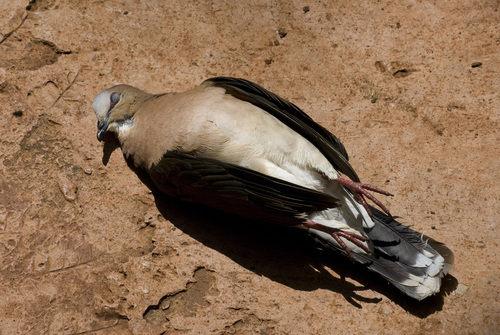
ハイビタイシャコバト (Leptotila rufaxilla) ハイビタイシャコバト
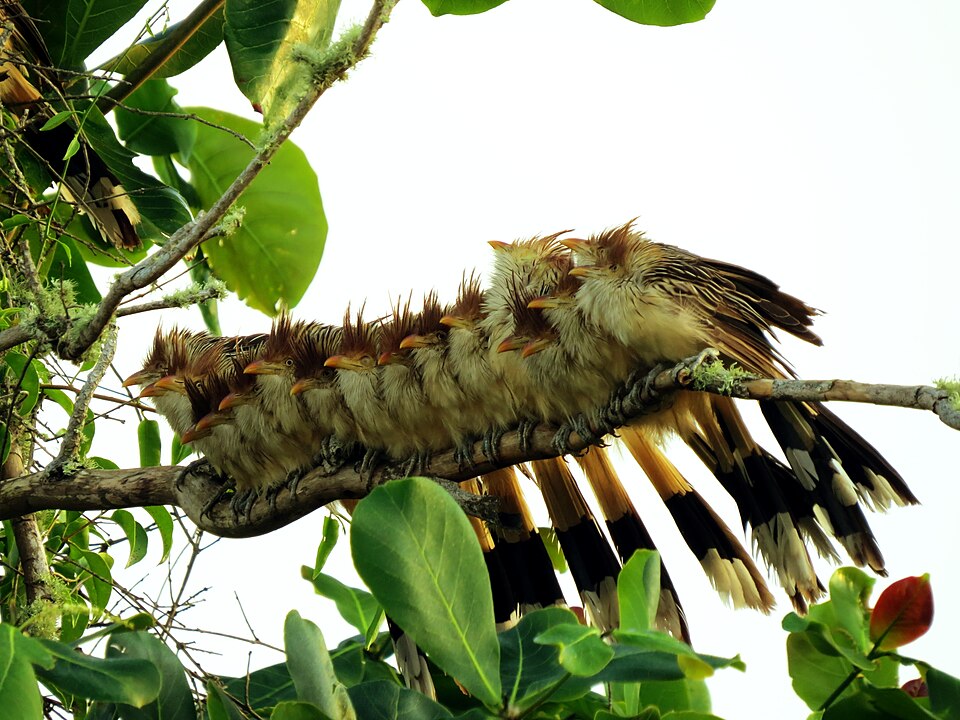
アマゾンカッコウ (Guira guira) アマゾンカッコウ

メディア

読み込み中…

要点

ハイビタイシャコバトとアマゾンカッコウを区別する最も信頼できるフィールドマークは、全体的な構造と姿勢です:ハイビタイシャコバトはコンパクトで、短い首と丸い翼を持ち、アマゾンカッコウは細長く、長い尾、目立つ冠、より水平な姿勢を持っています。幼鳥のハイビタイシャコバトは、赤錆色の縁取りがある上面と縞模様の胸を示し、アマゾンカッコウとは異なります。飛行中、カッコウの長くて幅の広い尾は白い先端を持ち、縞模様の上面が特徴的で、ハイビタイシャコバトはより均一なオリーブブラウンの背中と白い先端の外尾羽を示します。鳴き声も全く異なり、アマゾンカッコウは大きく、鋭く、悲鳴のような声を出し、ハイビタイシャコバトははるかに静かです。

識別のコツ

  1. Juvenile plumage: 幼鳥のハイビタイシャコバトでは赤錆色の縁取りがある上面と縞模様の胸を探してください;アマゾンカッコウの幼鳥はこれらの特徴がなく、大人に似ています。
  2. Tail shape and length: アマゾンカッコウは非常に長く、幅の広い濃い茶色の尾を持ち、太い白い先端があり、しばしば扇状に広げられたり垂れ下がったりします;ハイビタイシャコバトは短く、丸い尾を持ち、黒っぽい外羽と白い先端がありますが、尾はカッコウのように長くも目立つこともありません。
  3. Crest: アマゾンカッコウだけが目立つオレンジ赤褐色の冠を持ち、しばしば立ち上がって非常に目立ちます;ハイビタイシャコバトには冠がありません。
  4. Facial skin and eye-ring: ハイビタイシャコバトは、ピンクがかった白い羽毛に囲まれた裸の赤いアイリングを示します;アマゾンカッコウは薄い羽のない黄色のアイリングを持ち、目自体は黄色からオレンジです。
  5. Bill color and shape: ハイビタイシャコバトのくちばしは黒くて短い;カッコウのくちばしは黄色からオレンジで、長く、わずかに下向きに曲がっています。
  6. Upperparts pattern: ハイビタイシャコバトは上面がオリーブブラウンで、背中にかすかな青銅色/紫色があり、強い縞模様はありません;カッコウは上面が濃い茶色で、白い強い縞模様があります。
  7. Underparts color: ハイビタイシャコバトはピンクがかった白い喉、灰色がかったピンクの胸、白い腹を持ちます;カッコウは下が白っぽいバフで、ピンクがかった色合いはありません。
  8. Posture and jizz: ハイビタイシャコバトはコンパクトで短い首を持ち、丸い形をしています;カッコウは細長く、長い尾を持ち、特に止まっているときに伸びているように見えます。
  9. Flight style: ハイビタイシャコバトは強く、直接的に飛び、急速な羽ばたきで飛びます;カッコウは弱い飛行者で、しばしば滑空したり、短くて苦しい飛行をします。
  10. Social behavior: アマゾンカッコウはほぼ常に騒がしい群れにいます;ハイビタイシャコバトは孤独またはペアで非常に静かです。
  11. Habitat context: 開けた国、公園、または庭はカッコウに有利です;密な森林や林はハイビタイシャコバトに有利です。
  12. Vocalizations: 大きく、鋭く、悲鳴のような声はアマゾンカッコウを示します;柔らかいクークー音はハイビタイシャコバトに典型的です。
  13. Leg color: ハイビタイシャコバトは赤い脚と足を持ちます;カッコウは暗い灰色の脚を持ちます。
  14. Sex differences: 雌のハイビタイシャコバトは雄よりも茶色がかり、オリーブ色が強いですが、これは微妙です;アマゾンカッコウの性別はほぼ同じで、雌はわずかに大きいだけです。
  15. Odor: アマゾンカッコウは強く、刺激的な臭いを放つと言われており、これらの2種の中でユニークですが、鳥を扱わない限り実用的なフィールドマークではありません。

大きさ

アマゾンカッコウはハイビタイシャコバトよりも明らかに長く(約34 cm)、その体重は似ています(ハイビタイシャコバト:115–183 g;カッコウ:約134 g)。カッコウの余分な長さはほぼ完全にその長くて幅の広い尾によるもので、これによりハイビタイシャコバトのコンパクトで丸い形に比べて、細長く、より伸びた外観を与えます。フィールドでは、カッコウはしばしば大きく、より細長く見え、特に止まっているときや滑空しているときにそう見えます。

羽色

行動

アマゾンカッコウは非常に群れを成す性質があり、騒がしい群れで見られることが多く、止まり木の間を滑空したり跳ねたりし、木の中や地面で餌を探します。強い飛行者ではなく、長距離を飛ぶことは稀で、短く直接的な飛行や滑空を好みます。ハイビタイシャコバトは通常、孤独またはペアで、森林の床や低い止まり木を静かに歩き、はるかに秘密主義で目立たない存在です。ハイビタイシャコバトの飛行は直接的で強く、急速な羽ばたきで飛びますが、カッコウの飛行はあまり巧妙ではなく、より苦しいものです。

生息環境

アマゾンカッコウは、東南アメリカの東部および南東部全体にわたる郊外の公園、庭、森林伐採された地域を含む開けたおよび半開けた生息地に見られます。人間によって変化した風景に一般的です。ハイビタイシャコバトは、熱帯の森林や林に見られるより森林の多い環境を好み、開けたまたは郊外の環境で見られる可能性は低いです。開けた地域で群れの中に鳥を見かけることはアマゾンカッコウに強く有利であり、密なカバーの中に孤立した鳥はハイビタイシャコバトである可能性が高いです。

声

アマゾンカッコウは非常に声が大きく、長く、鋭く、悲鳴のような声を出し、しばしば鳥が見られる前に聞こえます。ハイビタイシャコバトははるかに静かで、鳩に典型的な柔らかく低いクークー音を出し、音だけでカッコウと間違われることはありません。

より良い説明を送る

比較と同じ項目を使ってください。文章はすぐに公開されます。

The most reliable field mark to separate Grey-fronted Dove from Guira Cuckoo is overall structure and posture: the dove is compact, with a short neck and rounded wings, while the cuckoo is lanky, with a long tail, prominent crest, and a more horizontal stance. Juvenile Grey-fronted Doves show rusty-edged upperparts and barred breasts, unlike any Guira Cuckoo. In flight, the cuckoo's long, broad tail with a white tip and its streaked upperparts are distinctive, while the dove shows a more uniform olive-brown back and white-tipped outer tail feathers. Vocalizations are also completely different, with the Guira Cuckoo giving loud, shrill, wailing calls, and the dove being much quieter.

  1. Juvenile plumage: Look for rusty-edged upperparts and barred breast in juvenile Grey-fronted Dove; Guira Cuckoo juveniles lack these features and resemble adults.
  2. Tail shape and length: Guira Cuckoo has a very long, broad, dark brown tail with a bold white tip, often held fanned or drooped; Grey-fronted Dove has a shorter, rounded tail with blackish outer feathers and white tips, but the tail is never as long or as prominent as the cuckoo's.
  3. Crest: Only Guira Cuckoo has a prominent orange-rufous crest, which is often raised and very visible; Grey-fronted Dove lacks any crest.
  4. Facial skin and eye-ring: Grey-fronted Dove shows a bare red eye-ring surrounded by pinkish white feathers; Guira Cuckoo has a thin featherless yellow eye-ring, and the eye itself is yellow to orange.
  5. Bill color and shape: Dove's bill is black and short; cuckoo's bill is yellow to orange, longer, and slightly downcurved.
  6. Upperparts pattern: Dove is olive-brown above with faint bronze/purple on mantle and no strong streaking; cuckoo is dark brown above with heavy white streaking.
  7. Underparts color: Dove has a pinkish white throat, greyish pink breast, and white belly; cuckoo is whitish-buff below, with no pinkish tones.
  8. Posture and jizz: Dove is compact, short-necked, and rounded; cuckoo is lanky, long-tailed, and often appears stretched out, especially when perched.
  9. Flight style: Dove flies strongly and directly with rapid wingbeats; cuckoo is a weak flier, often gliding or making short, labored flights.
  10. Social behavior: Guira Cuckoo is almost always in noisy groups; Grey-fronted Dove is solitary or in pairs and very quiet.
  11. Habitat context: Open country, parks, or gardens favor cuckoo; dense forest or woodland favors dove.
  12. Vocalizations: Loud, shrill, wailing calls indicate Guira Cuckoo; soft cooing is typical of Grey-fronted Dove.
  13. Leg color: Dove has red legs and feet; cuckoo has dark gray legs.
  14. Sex differences: Female doves are browner and more olive than males, but this is subtle; Guira Cuckoo sexes are nearly identical, with females only slightly larger.
  15. Odor: Guira Cuckoo reportedly gives off a strong, pungent odor, which is unique among these two, though not a practical field mark unless handling the bird.

Guira Cuckoo is notably longer (about 34 cm) than Grey-fronted Dove (about 28 cm), but their weights are similar (dove: 115–183 g; cuckoo: ~134 g). The cuckoo's extra length is almost entirely due to its long, broad tail, which gives it a lankier, more stretched appearance compared to the dove's compact, rounded shape. In the field, the cuckoo will often look larger and more elongated, especially when perched or gliding.

  • Juvenile/immature birds: Juvenile Grey-fronted Doves have rusty-edged upperparts and rust/drab brown bars on the breast, which are never shown by Guira Cuckoo at any age. Juvenile cuckoos look very similar to adults, lacking strong age-specific marks.
  • Adults: Grey-fronted Dove adults have olive-brown upperparts with faint bronze or purplish on the mantle, a grayish to bluish forehead, and a grayish purple nape with iridescence. Their face is buff to pinkish buff, with a pinkish white throat and a bare red eye-ring surrounded by pinkish white feathers. The tail is olive-brown centrally, with blackish outer feathers tipped white. Guira Cuckoo adults have dark brown upperparts heavily streaked with white, a prominent orange-rufous crest, and a long, broad, dark brown tail with a white tip. Their underparts and rump are whitish-buff, and the eye is yellow to orange with a thin featherless yellow ring. The cuckoo's plumage is much more patterned and contrasting, especially on the head and tail, compared to the dove's more uniform and subtle tones.

Guira Cuckoo is highly gregarious, often seen in noisy flocks, gliding or hopping between perches, and foraging both in trees and on the ground. It is not a strong flier and rarely flies long distances, preferring short, direct flights or glides. Grey-fronted Dove is typically solitary or in pairs, walking quietly on the forest floor or low perches, and is much more secretive and inconspicuous. The dove's flight is direct and strong, with rapid wingbeats, while the cuckoo's flight is less adept and more labored.

Guira Cuckoo is found in open and semi-open habitats, including suburban parks, gardens, and deforested areas throughout eastern and southeastern South America. It is common in human-altered landscapes. Grey-fronted Dove prefers more forested environments, being found in tropical forests and woodlands, and is less likely to be seen in open or suburban settings. Seeing a bird in a flock in an open area strongly favors Guira Cuckoo; a lone bird in dense cover is more likely a dove.

Guira Cuckoo is extremely vocal, producing long, shrill, wailing calls that are loud and distinctive, often heard before the bird is seen. Grey-fronted Dove is much quieter, with soft, low cooing typical of doves, and is unlikely to be mistaken for the cuckoo by sound alone.

変更を破棄しますか?

保存していない編集があります。今離れると失われます。

ハイビタイシャコバト · アマゾンカッコウ · 苦手な鳥