

Grijskapspecht vs Indische bonte specht
Yungipicus canicapillus versus Leiopicus mahrattensis
Speel een quiz met Grijskapspecht en Indische bonte specht
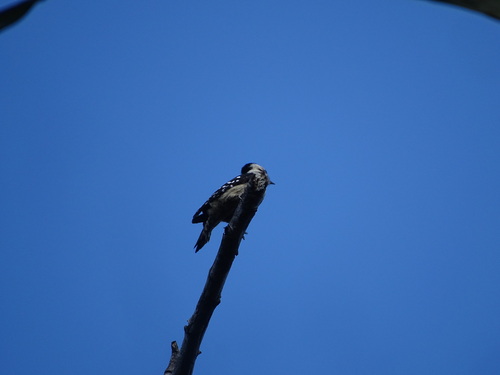 Grijskapspecht
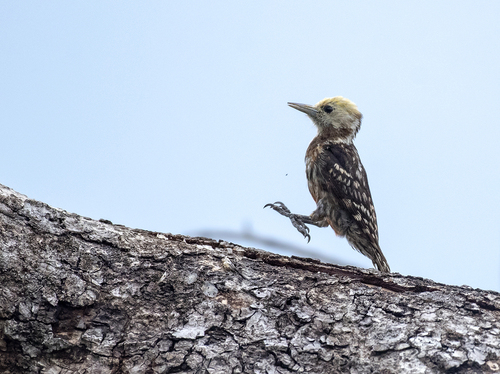 Indische bonte specht
Kort gezegd
Het meest betrouwbare veldkenmerk om Grijskapspecht van Indische bonte specht te scheiden is het koppatroon: Grijskapspecht heeft een donkergrijze kroon (met een rode nek bij mannetjes), sterke zwarte oogstrepen en brede witte wenkbrauwen, terwijl Indische bonte specht een gele kroon heeft. Beide zijn kleine, bonte spechten, maar de Grijskapspecht lijkt boven donkerder en meer gestreept onder. Hun verspreidingsgebieden overlappen alleen in delen van het Indisch subcontinent, dus context helpt. Focus op de kleur van de kroon en het gezichts patroon voor snelle scheiding, vooral bij zittende vogels.
Herkenningstips
- Kleur van de kroon is cruciaal: Grijskapspecht heeft een donkergrijze kroon (met een rode nek bij mannetjes), terwijl Indische bonte specht een gele kroon heeft. Dit is het snelste en meest betrouwbare kenmerk bij zittende vogels van alle leeftijden en geslachten.
- Gezichtspatroon: Grijskapspecht heeft sterke zwarte oogstrepen en dunne donkere malarstrepen, met brede witte wenkbrauwen en wangen, wat een scherp contrasterend gezicht creëert. Indische bonte specht mist deze combinatie; zijn gezicht is minder scherp gemarkeerd.
- Onderste strepen: Grijskapspecht heeft donkere buff onderdelen met prominente donkere strepen, terwijl Indische bonte specht als bonte wordt beschreven maar niet wordt opgemerkt voor zulke zware strepen onder. Zoek naar de gestreepte buik en flanken op Grijskapspecht.
- Bovenste streepjes: Beide soorten zijn zwart en wit gestreept boven, maar de streepjes van Grijskapspecht zijn meer uitgesproken en regelmatig. Indische bonte specht kan van een afstand minder duidelijk gestreept lijken.
- Centrale staartveren: Grijskapspecht heeft meestal ongestreepte centrale staartveren, die zichtbaar zijn wanneer de staart is uitgespreid. Dit kenmerk is subtiel maar nuttig als het zichtbaar is.
- Geslachtsverschillen: Bij Grijskapspecht tonen alleen mannetjes een rode nekvlek, maar beide geslachten hebben de grijze kroon. Bij Indische bonte specht hebben beide geslachten een gele kroon.
- Leeftijd/onvolwassen verenkleed: Er zijn geen onderscheidende juvenile of eerste winter bovenvleugel of vluchtmerken gedocumenteerd voor beide soorten, dus het patroon van het hoofd en de onderdelen blijven de beste aanwijzingen op alle leeftijden.
- Snavel en structuur: Beide zijn klein en vergelijkbaar van proporties, zonder noemenswaardig verschil in snavel lengte of vorm. Vertrouw niet op structuur voor scheiding.
- Verspreidingscontext: Als je vogels kijkt buiten het Indisch subcontinent, is de kans op een Indische bonte specht zeer onwaarschijnlijk. In India en nabijgelegen gebieden kunnen beide voorkomen, dus gebruik verenkleedmerken.
- Habitat: Beide gebruiken bosrijke habitats, maar Grijskapspecht is wijdverspreider in Azië, inclusief berg- en mangrovebossen. Habitat is niet diagnostisch waar de verspreidingsgebieden overlappen.
- Zittende vs. vluchtzicht: Beide soorten worden het beste geïdentificeerd wanneer ze zitten, omdat de patronen van het hoofd en de onderdelen het meest zichtbaar zijn. In de vlucht is scheiding moeilijk vanwege het gebrek aan onderscheidende vleugelpatroonverschillen.
- Irides: Grijskapspecht heeft donkere irides, die zichtbaar kunnen zijn van dichtbij, maar dit is zelden een praktisch veldkenmerk.
- Valkuilen: Vertrouw niet op de algehele grootte, aangezien beide klein en vergelijkbaar zijn. Vermijd het gebruik van een algemene 'bonte' uitstraling, aangezien beide zwarte en witte streepjes boven vertonen.
- Seizoensvariatie: Er zijn geen sterke seizoensgebonden verenkleedveranderingen gedocumenteerd voor beide soorten. Gebruik dezelfde kenmerken het hele jaar door.
- Stem: Er zijn geen onderscheidende vocale verschillen gedocumenteerd in de bronnen; vertrouw op visuele kenmerken voor scheiding.
Grootte
Beide soorten zijn kleine spechten, maar alleen Indische bonte specht heeft een gedocumenteerd gemiddeld lichaamsgewicht (34 g [wikidata]). Er is geen betrouwbaar bewijs dat grootte alleen hen in het veld zal scheiden, en beide zijn vergelijkbaar in algehele structuur en jizz. Gebruik verenkleed en koppatroon voor identificatie in plaats van te vertrouwen op grootte.
Verenkleed
Voor alle leeftijden is Grijskapspecht zwart en wit gestreept boven, met een donkergrijze kroon (rode nek bij mannetjes), sterke zwarte oogstrepen en brede witte wenkbrauwen en wangen. Zijn onderdelen zijn donker buff met prominente donkere strepen. De centrale staartveren zijn meestal ongestreept. In tegenstelling tot dat, wordt Indische bonte specht gekenmerkt door een gele kroon (niet grijs), en wordt beschreven als een kleine bonte specht, maar mist het gedetailleerde koppatroon van Grijskapspecht. Er zijn geen leeftijdspecifieke bovenvleugel of juvenile vluchtmerken gedocumenteerd voor beide soorten, dus focus op het hoofd- en onderdeelpatroon voor alle verenkleden. Beide geslachten van Grijskapspecht tonen de grijze kroon, met mannetjes die een rode nekvlek toevoegen; de kroon van Indische bonte specht is geel in beide geslachten.
Gedrag
Beide soorten zijn typische kleine spechten, die foerageren in bos- en bosachtige habitats, vaak langs takken en stammen bewegen. Er zijn geen onderscheidende gedragsverschillen gedocumenteerd om hen in het veld te scheiden. Beide kunnen alleen of in paren worden gezien, en hun foerageerstijl is vergelijkbaar.
Habitat
Grijskapspecht wordt aangetroffen over een breed Aziatisch gebied, van de Himalaya en Mantsjoerije tot Zuidoost-Azië, en bewoont subtropische of tropische vochtige laagland-, mangrove- en bergbossen. Indische bonte specht is beperkt tot het Indisch subcontinent. Als je buiten het Indisch subcontinent bent, is de kans op Indische bonte specht onwaarschijnlijk. Binnen India en nabijgelegen gebieden kunnen beide voorkomen, dus alleen habitat is niet diagnostisch, maar verspreiding kan helpen om verwarring in sommige gebieden te elimineren.
Grijskapspecht · Indische bonte specht · Mijn lastige vogels