

Motmot

ハイガシラコゲラ 対 ベンガルアカゲラ

Yungipicus canicapillus 対 Leiopicus mahrattensis

ハイガシラコゲラとベンガルアカゲラのクイズ
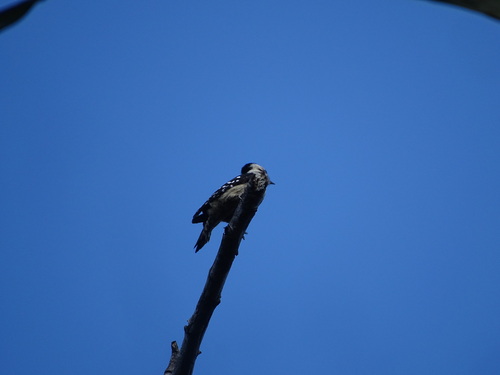
ハイガシラコゲラ (Yungipicus canicapillus) ハイガシラコゲラ
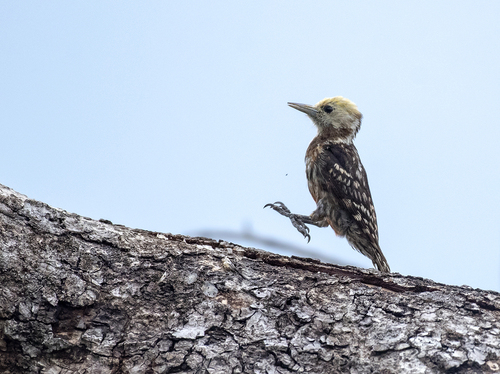
ベンガルアカゲラ (Leiopicus mahrattensis) ベンガルアカゲラ

メディア

読み込み中…

要点

ハイガシラコゲラとベンガルアカゲラを区別する最も信頼できるフィールドマークは頭部の模様です:Grey-cappedは暗い灰色の冠(オスは赤い後頭部)を示し、強い黒いアイストライプと広い白い眉斑を持っていますが、Yellow-crownedは黄色の冠を持っています。両者は小型の二色のキツツキですが、Grey-cappedは上面が暗く、下面がより重く縞模様になっています。彼らの分布はインド亜大陸の一部でのみ重なっているため、文脈が役立ちます。特に止まっている鳥の場合、冠の色と顔の模様に注目して迅速に区別してください。

識別のコツ

  1. Crown color is key: ハイガシラコゲラは暗い灰色の冠(オスは赤い後頭部)を持ち、ベンガルアカゲラは黄色の冠を持っています。これはすべての年齢と性別の止まっている鳥において最も速く、信頼できるマークです。
  2. Facial pattern: Grey-cappedは強い黒いアイストライプと薄い暗い頬のストライプを示し、広い白い眉斑と頬を持ち、鮮やかに対照的な顔を作ります。Yellow-crownedはこの組み合わせを欠いており、その顔はあまり鮮明にマークされていません。
  3. Underparts streaking: Grey-cappedは目立つ暗い縞模様のある暗いバフの下部を持ち、Yellow-crownedは二色ですが、下部の重い縞模様は記載されていません。Grey-cappedの縞模様のある腹部と側面を探してください。
  4. Upperparts barring: 両種は上面が黒と白の縞模様ですが、Grey-cappedの縞模様はより顕著で規則的です。Yellow-crownedは遠くから見るとあまり明確に縞模様が見えないことがあります。
  5. Central tail feathers: Grey-cappedは通常、尾羽が広がったときに見える無縞の中央尾羽を持っています。このマークは微妙ですが、見える場合は役立ちます。
  6. Sex differences: Grey-cappedでは、オスのみが赤い後頭部の斑点を示しますが、両性とも灰色の冠を持っています。Yellow-crownedでは、両性とも黄色の冠を持っています。
  7. Age/immature plumage: どちらの種についても、特異な幼鳥や初冬の上翼または飛行マークは文書化されていないため、頭部と下部の模様がすべての年齢で最良の手がかりとなります。
  8. Bill and structure: 両者は小型で似たような比率を持ち、くちばしの長さや形に顕著な違いはありません。区別のために構造に頼らないでください。
  9. Range context: インド亜大陸の外でバードウォッチングをしている場合、ベンガルアカゲラは非常に可能性が低いです。インドや近隣地域では、両者が発生する可能性があるため、羽毛のマークを使用してください。
  10. Habitat: 両者は森林の生息地を利用しますが、Grey-cappedはアジア全体に広く分布しており、山地やマングローブの森林を含みます。分布が重なる場所では生息地は診断的ではありません。
  11. Perched vs. flight views: 両種は止まっているときに最もよく識別され、頭部と下部の模様が最も見えます。飛行中は、特異な翼の模様の違いがないため、区別が難しいです。
  12. Irides: Grey-cappedは暗い虹彩を持ち、近距離で見えることがありますが、これは実用的なフィールドマークになることは稀です。
  13. Pitfalls: 全体のサイズに頼らないでください。両者は小型で似ています。一般的な「二色」の外観を使用することは避けてください。両者は上面に黒と白の縞模様を示します。
  14. Seasonal variation: どちらの種についても強い季節的な羽毛の変化は文書化されていません。年間を通じて同じマークを使用してください。
  15. Voice: ソースには特異な声の違いは文書化されていません。区別のために視覚的なマークに頼ってください。

大きさ

両種は小型のキツツキですが、ベンガルアカゲラのみが文書化された平均体重(34 g [wikidata])を持っています。サイズだけでフィールドで彼らを区別する信頼できる証拠はなく、両者は全体の構造と印象が似ています。サイズに頼らず、羽毛と頭部の模様を使用して識別してください。

羽色

すべての年齢において、ハイガシラコゲラは上面が黒と白の縞模様で、暗い灰色の冠(オスは赤い後頭部)、強い黒いアイストライプ、広い白い眉斑と頬を持っています。下部は目立つ暗い縞模様のある暗いバフです。中央の尾羽は通常無縞です。対照的に、ベンガルアカゲラは黄色の冠(灰色ではない)を特徴とし、小型の二色のキツツキとして記載されていますが、Grey-cappedの詳細な頭部模様は欠いています。どちらの種についても年齢特有の上翼や幼鳥の飛行マークは文書化されていないため、すべての羽毛に対して頭部と下部の模様に注目してください。Grey-cappedの両性は灰色の冠を示し、オスは赤い後頭部の斑点を追加します。Yellow-crownedの冠は両性とも黄色です。

行動

両種は典型的な小型のキツツキで、森林や林地の生息地で餌を探し、しばしば枝や幹に沿って移動します。フィールドで彼らを区別するための特異な行動の違いは文書化されていません。両者は単独またはペアで見られることがあり、餌を探すスタイルは似ています。

生息環境

ハイガシラコゲラは、ヒマラヤ山脈や満州から東南アジアにかけて広範なアジアの範囲に分布し、亜熱帯または熱帯の湿った低地、マングローブ、山地の森林に生息しています。ベンガルアカゲラはインド亜大陸に限定されています。インド亜大陸の外にいる場合、Yellow-crownedは可能性が低いです。インドや近隣地域では、両者が発生する可能性があるため、生息地だけでは診断的ではありませんが、分布は一部の地域で混乱を排除するのに役立ちます。

より良い説明を送る

比較と同じ項目を使ってください。文章はすぐに公開されます。

The most reliable field mark to separate Grey-capped Pygmy Woodpecker from Yellow-crowned Woodpecker is the head pattern: Grey-capped shows a dark grey crown (with a red nape in males), strong black eyestripes, and broad white supercilia, while Yellow-crowned has a yellow crown. Both are small, pied woodpeckers, but the Grey-capped appears darker above and more heavily streaked below. Their ranges overlap only in parts of the Indian subcontinent, so context helps. Focus on the crown color and facial pattern for fast separation, especially in perched birds.

  1. Crown color is key: Grey-capped Pygmy Woodpecker has a dark grey crown (with a red nape in males), while Yellow-crowned Woodpecker has a yellow crown. This is the fastest and most reliable mark in perched birds of all ages and sexes.
  2. Facial pattern: Grey-capped shows strong black eyestripes and thin dark malar stripes, with broad white supercilia and cheeks, creating a sharply contrasting face. Yellow-crowned lacks this combination; its face is less sharply marked.
  3. Underparts streaking: Grey-capped has dark buff underparts with prominent dark streaks, while Yellow-crowned is described as pied but not noted for such heavy streaking below. Look for the streaked belly and flanks on Grey-capped.
  4. Upperparts barring: Both species are barred black and white above, but Grey-capped's barring is more pronounced and regular. Yellow-crowned may appear less distinctly barred from a distance.
  5. Central tail feathers: Grey-capped usually has unbarred central tail feathers, which can be seen when the tail is spread. This mark is subtle but useful if visible.
  6. Sex differences: In Grey-capped, only males show a red nape patch, but both sexes have the grey crown. In Yellow-crowned, both sexes have a yellow crown.
  7. Age/immature plumage: No distinctive juvenile or first-winter upperwing or flight marks are documented for either species, so head and underpart pattern remain the best clues at all ages.
  8. Bill and structure: Both are small and similarly proportioned, with no notable difference in bill length or shape. Do not rely on structure for separation.
  9. Range context: If you are birding outside the Indian subcontinent, a yellow-crowned woodpecker is highly unlikely. In India and nearby regions, both may occur, so use plumage marks.
  10. Habitat: Both use forested habitats, but Grey-capped is more widespread in Asia, including montane and mangrove forests. Habitat is not diagnostic where ranges overlap.
  11. Perched vs. flight views: Both species are best identified when perched, as head and underpart patterns are most visible. In flight, separation is difficult due to lack of distinctive wing pattern differences.
  12. Irides: Grey-capped has dark irides, which may be visible at close range, but this is rarely a practical field mark.
  13. Pitfalls: Do not rely on overall size, as both are small and similar. Avoid using general 'pied' appearance, as both show black and white barring above.
  14. Seasonal variation: No strong seasonal plumage changes are documented for either species. Use the same marks year-round.
  15. Voice: No distinctive vocal differences are documented in the sources; rely on visual marks for separation.

Both species are small woodpeckers, but only Yellow-crowned Woodpecker has a documented average body mass (34 g [wikidata]). There is no reliable evidence that size alone will separate them in the field, and both are similar in overall structure and jizz. Use plumage and head pattern for identification rather than relying on size.

For all ages, Grey-capped Pygmy Woodpecker is barred black and white above, with a dark grey crown (red nape in males), strong black eyestripes, and broad white supercilia and cheeks. Its underparts are dark buff with prominent dark streaks. The central tail feathers are usually unbarred. In contrast, Yellow-crowned Woodpecker is characterized by a yellow crown (not grey), and is described as a small pied woodpecker, but lacks the detailed head pattern of Grey-capped. No age-specific upperwing or juvenile flight marks are documented for either species, so focus on head and underpart pattern for all plumages. Both sexes of Grey-capped show the grey crown, with males adding a red nape patch; Yellow-crowned's crown is yellow in both sexes.

Both species are typical small woodpeckers, foraging in woodland and forest habitats, often moving along branches and trunks. No distinctive behavioral differences are documented to separate them in the field. Both may be seen singly or in pairs, and their foraging style is similar.

Grey-capped Pygmy Woodpecker is found across a broad Asian range, from the Himalayas and Manchuria to Southeast Asia, inhabiting subtropical or tropical moist lowland, mangrove, and montane forests. Yellow-crowned Woodpecker is restricted to the Indian subcontinent. If you are outside the Indian subcontinent, Yellow-crowned is unlikely. Within India and nearby regions, both may occur, so habitat alone is not diagnostic, but range can help eliminate confusion in some areas.

変更を破棄しますか?

保存していない編集があります。今離れると失われます。

ハイガシラコゲラ · ベンガルアカゲラ · 苦手な鳥