

Motmot

Gray-capped Pygmy Woodpecker vs Yellow-crowned Woodpecker

Yungipicus canicapillus contro Leiopicus mahrattensis

Fai un quiz con Gray-capped Pygmy Woodpecker e Yellow-crowned Woodpecker
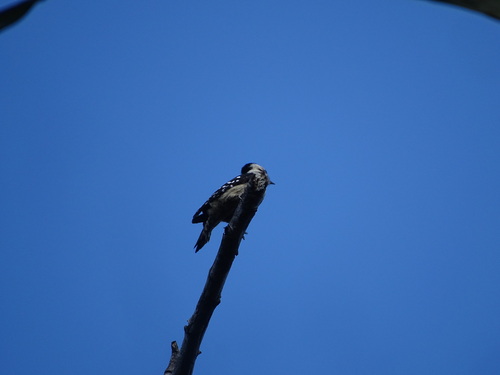
Gray-capped Pygmy Woodpecker (Yungipicus canicapillus) Gray-capped Pygmy Woodpecker
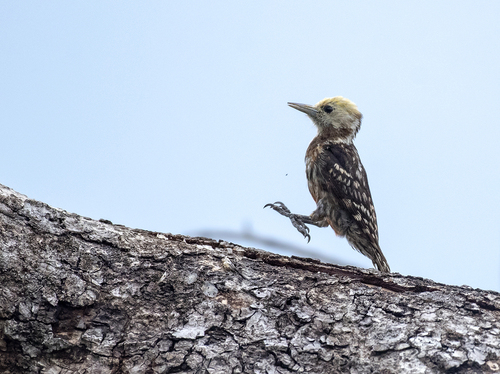
Yellow-crowned Woodpecker (Leiopicus mahrattensis) Yellow-crowned Woodpecker

Media

Caricamento…

In breve

The most reliable field mark to separate Grey-capped Pygmy Woodpecker from Yellow-crowned Woodpecker is the head pattern: Grey-capped shows a dark grey crown (with a red nape in males), strong black eyestripes, and broad white supercilia, while Yellow-crowned has a yellow crown. Both are small, pied woodpeckers, but the Grey-capped appears darker above and more heavily streaked below. Their ranges overlap only in parts of the Indian subcontinent, so context helps. Focus on the crown color and facial pattern for fast separation, especially in perched birds.

Consigli di identificazione

  1. Crown color is key: Grey-capped Pygmy Woodpecker has a dark grey crown (with a red nape in males), while Yellow-crowned Woodpecker has a yellow crown. This is the fastest and most reliable mark in perched birds of all ages and sexes.
  2. Facial pattern: Grey-capped shows strong black eyestripes and thin dark malar stripes, with broad white supercilia and cheeks, creating a sharply contrasting face. Yellow-crowned lacks this combination; its face is less sharply marked.
  3. Underparts streaking: Grey-capped has dark buff underparts with prominent dark streaks, while Yellow-crowned is described as pied but not noted for such heavy streaking below. Look for the streaked belly and flanks on Grey-capped.
  4. Upperparts barring: Both species are barred black and white above, but Grey-capped's barring is more pronounced and regular. Yellow-crowned may appear less distinctly barred from a distance.
  5. Central tail feathers: Grey-capped usually has unbarred central tail feathers, which can be seen when the tail is spread. This mark is subtle but useful if visible.
  6. Sex differences: In Grey-capped, only males show a red nape patch, but both sexes have the grey crown. In Yellow-crowned, both sexes have a yellow crown.
  7. Age/immature plumage: No distinctive juvenile or first-winter upperwing or flight marks are documented for either species, so head and underpart pattern remain the best clues at all ages.
  8. Bill and structure: Both are small and similarly proportioned, with no notable difference in bill length or shape. Do not rely on structure for separation.
  9. Range context: If you are birding outside the Indian subcontinent, a yellow-crowned woodpecker is highly unlikely. In India and nearby regions, both may occur, so use plumage marks.
  10. Habitat: Both use forested habitats, but Grey-capped is more widespread in Asia, including montane and mangrove forests. Habitat is not diagnostic where ranges overlap.
  11. Perched vs. flight views: Both species are best identified when perched, as head and underpart patterns are most visible. In flight, separation is difficult due to lack of distinctive wing pattern differences.
  12. Irides: Grey-capped has dark irides, which may be visible at close range, but this is rarely a practical field mark.
  13. Pitfalls: Do not rely on overall size, as both are small and similar. Avoid using general 'pied' appearance, as both show black and white barring above.
  14. Seasonal variation: No strong seasonal plumage changes are documented for either species. Use the same marks year-round.
  15. Voice: No distinctive vocal differences are documented in the sources; rely on visual marks for separation.

Taglia

Both species are small woodpeckers, but only Yellow-crowned Woodpecker has a documented average body mass (34 g [wikidata]). There is no reliable evidence that size alone will separate them in the field, and both are similar in overall structure and jizz. Use plumage and head pattern for identification rather than relying on size.

Piumaggio

For all ages, Grey-capped Pygmy Woodpecker is barred black and white above, with a dark grey crown (red nape in males), strong black eyestripes, and broad white supercilia and cheeks. Its underparts are dark buff with prominent dark streaks. The central tail feathers are usually unbarred. In contrast, Yellow-crowned Woodpecker is characterized by a yellow crown (not grey), and is described as a small pied woodpecker, but lacks the detailed head pattern of Grey-capped. No age-specific upperwing or juvenile flight marks are documented for either species, so focus on head and underpart pattern for all plumages. Both sexes of Grey-capped show the grey crown, with males adding a red nape patch; Yellow-crowned's crown is yellow in both sexes.

Comportamento

Both species are typical small woodpeckers, foraging in woodland and forest habitats, often moving along branches and trunks. No distinctive behavioral differences are documented to separate them in the field. Both may be seen singly or in pairs, and their foraging style is similar.

Habitat

Grey-capped Pygmy Woodpecker is found across a broad Asian range, from the Himalayas and Manchuria to Southeast Asia, inhabiting subtropical or tropical moist lowland, mangrove, and montane forests. Yellow-crowned Woodpecker is restricted to the Indian subcontinent. If you are outside the Indian subcontinent, Yellow-crowned is unlikely. Within India and nearby regions, both may occur, so habitat alone is not diagnostic, but range can help eliminate confusion in some areas.

Invia una descrizione migliore

Usa le stesse sezioni del confronto. Il testo viene pubblicato subito.

The most reliable field mark to separate Grey-capped Pygmy Woodpecker from Yellow-crowned Woodpecker is the head pattern: Grey-capped shows a dark grey crown (with a red nape in males), strong black eyestripes, and broad white supercilia, while Yellow-crowned has a yellow crown. Both are small, pied woodpeckers, but the Grey-capped appears darker above and more heavily streaked below. Their ranges overlap only in parts of the Indian subcontinent, so context helps. Focus on the crown color and facial pattern for fast separation, especially in perched birds.

  1. Crown color is key: Grey-capped Pygmy Woodpecker has a dark grey crown (with a red nape in males), while Yellow-crowned Woodpecker has a yellow crown. This is the fastest and most reliable mark in perched birds of all ages and sexes.
  2. Facial pattern: Grey-capped shows strong black eyestripes and thin dark malar stripes, with broad white supercilia and cheeks, creating a sharply contrasting face. Yellow-crowned lacks this combination; its face is less sharply marked.
  3. Underparts streaking: Grey-capped has dark buff underparts with prominent dark streaks, while Yellow-crowned is described as pied but not noted for such heavy streaking below. Look for the streaked belly and flanks on Grey-capped.
  4. Upperparts barring: Both species are barred black and white above, but Grey-capped's barring is more pronounced and regular. Yellow-crowned may appear less distinctly barred from a distance.
  5. Central tail feathers: Grey-capped usually has unbarred central tail feathers, which can be seen when the tail is spread. This mark is subtle but useful if visible.
  6. Sex differences: In Grey-capped, only males show a red nape patch, but both sexes have the grey crown. In Yellow-crowned, both sexes have a yellow crown.
  7. Age/immature plumage: No distinctive juvenile or first-winter upperwing or flight marks are documented for either species, so head and underpart pattern remain the best clues at all ages.
  8. Bill and structure: Both are small and similarly proportioned, with no notable difference in bill length or shape. Do not rely on structure for separation.
  9. Range context: If you are birding outside the Indian subcontinent, a yellow-crowned woodpecker is highly unlikely. In India and nearby regions, both may occur, so use plumage marks.
  10. Habitat: Both use forested habitats, but Grey-capped is more widespread in Asia, including montane and mangrove forests. Habitat is not diagnostic where ranges overlap.
  11. Perched vs. flight views: Both species are best identified when perched, as head and underpart patterns are most visible. In flight, separation is difficult due to lack of distinctive wing pattern differences.
  12. Irides: Grey-capped has dark irides, which may be visible at close range, but this is rarely a practical field mark.
  13. Pitfalls: Do not rely on overall size, as both are small and similar. Avoid using general 'pied' appearance, as both show black and white barring above.
  14. Seasonal variation: No strong seasonal plumage changes are documented for either species. Use the same marks year-round.
  15. Voice: No distinctive vocal differences are documented in the sources; rely on visual marks for separation.

Both species are small woodpeckers, but only Yellow-crowned Woodpecker has a documented average body mass (34 g [wikidata]). There is no reliable evidence that size alone will separate them in the field, and both are similar in overall structure and jizz. Use plumage and head pattern for identification rather than relying on size.

For all ages, Grey-capped Pygmy Woodpecker is barred black and white above, with a dark grey crown (red nape in males), strong black eyestripes, and broad white supercilia and cheeks. Its underparts are dark buff with prominent dark streaks. The central tail feathers are usually unbarred. In contrast, Yellow-crowned Woodpecker is characterized by a yellow crown (not grey), and is described as a small pied woodpecker, but lacks the detailed head pattern of Grey-capped. No age-specific upperwing or juvenile flight marks are documented for either species, so focus on head and underpart pattern for all plumages. Both sexes of Grey-capped show the grey crown, with males adding a red nape patch; Yellow-crowned's crown is yellow in both sexes.

Both species are typical small woodpeckers, foraging in woodland and forest habitats, often moving along branches and trunks. No distinctive behavioral differences are documented to separate them in the field. Both may be seen singly or in pairs, and their foraging style is similar.

Grey-capped Pygmy Woodpecker is found across a broad Asian range, from the Himalayas and Manchuria to Southeast Asia, inhabiting subtropical or tropical moist lowland, mangrove, and montane forests. Yellow-crowned Woodpecker is restricted to the Indian subcontinent. If you are outside the Indian subcontinent, Yellow-crowned is unlikely. Within India and nearby regions, both may occur, so habitat alone is not diagnostic, but range can help eliminate confusion in some areas.

Scartare le modifiche?

Hai modifiche non salvate. Se esci ora, andranno perse.

Gray-capped Pygmy Woodpecker · Yellow-crowned Woodpecker · I miei uccelli difficili