

Zwarte ibis vs Driekleurennon
Plegadis falcinellus versus Lonchura malacca
Speel een quiz met Zwarte ibis en Driekleurennon
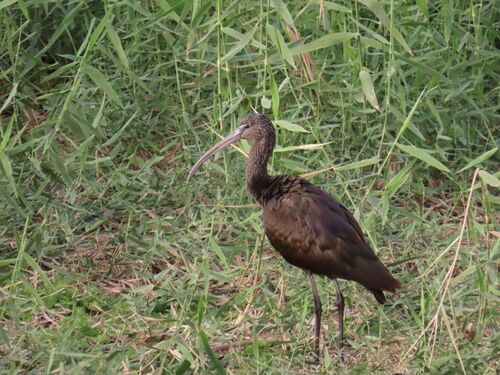 Zwarte ibis
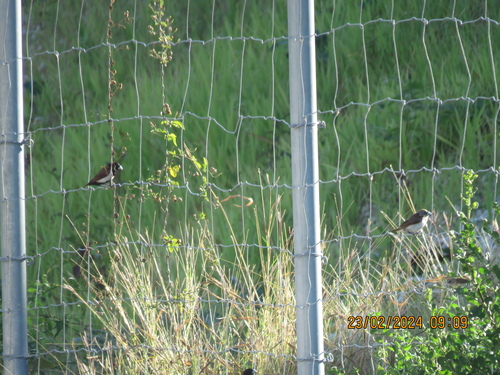 Driekleurennon
Kort gezegd
Zwarte ibis en Driekleurennon zijn uiterst onwaarschijnlijk te verwarren in het veld vanwege hun enorme verschil in grootte, structuur en habitat. De meest betrouwbare scheiding is grootte: Zwarte ibis is een grote, langbenige watervogel, terwijl Driekleurennon een kleine, zaad-etende vink is. In de vlucht of zittend toont Zwarte ibis een lange, naar beneden gebogen snavel en iriserende vleugels, terwijl Driekleurennon compact is met een dikke, conische snavel en een gedurfde, blokachtige verenkleedpatroon. Juvenielen van beide soorten zijn doffer, maar zelfs dan zijn de proporties en de vluchtstijl van de ibis onmiskenbaar. Als je een vogel ziet in een moeras met een sikkelvormige snavel, is het Zwarte ibis; een kleine vogel in grasland of rijstvelden met een zwarte kop en een witte buik is Driekleurennon.
Herkenningstips
- Grootte is de snelste controle: Zwarte ibis is enorm in vergelijking met Driekleurennon; als je beide in hetzelfde verrekijkerveld kunt zien, is het verschil overweldigend. Gebruik dit zelfs op afstand.
- Snavelvorm: Zwarte ibis heeft een lange, slanke, sterk naar beneden gebogen snavel (zoals een sikkel), zichtbaar zelfs in silhouet. Driekleurennon heeft een korte, dikke, conische vinkensnavel, bleekblauwachtig bij volwassenen, nooit naar beneden gebogen.
- Pootlengte en houding: Zwarte ibis heeft lange, steltenachtige poten en staat rechtop, watervogel-stijl, vaak in water. Non heeft korte poten en zit laag in gras of op stelen.
- Vluchtstijl: Ibissen vliegen met nek en poten volledig uitgestrekt, vaak in lijnen of V-formaties. Non's vliegen met snelle, stuiterende vleugelslagen, vaak in strakke, draaiende zwermen, nooit in V-formatie.
- Volwassen verenkleed: Broed Zwarte ibis is roestbruin met metalen groene/bronze/paarse vleugels en een subtiele witte gezichtsband. Non is scherp gepattern: zwarte kop/borst, witte buik/flanken, kastanjebruine rug/stuit. Geen overlap.
- Juveniele verwarring: Juveniele Zwarte ibis is dof bruin met fijne witte strepen op het hoofd/nek en een lange, gebogen snavel. Juveniele Non is eenvoudig warm bruin boven, buff onder, met een korte, dikke snavel en geen strepen of irisatie.
- Irisatie: Alleen Zwarte ibis toont metalen irisatie op de vleugels (vooral volwassenen). Non is volledig mat.
- Gezichtsmarkeringen: Zwarte ibis heeft een smalle witte gezichtsband (broed) of blauwgrijze gezichtshuid (niet-broed), maar nooit een solide zwarte kop zoals volwassen non. De zwarte kop van non is scherp afgebakend van de witte buik.
- Habitatcontext: Als de vogel zich waadt in open water of modder doorboort, is het Zwarte ibis. Als het zich voedt met graszaad of op een rijstveld zit, is het Non.
- Groepsgrootte en samenstelling: Grote, losse zwermen of gemengde soorten watervogelgroepen suggereren Zwarte ibis. Strakke, kletserige zwermen in grasland of gewassen zijn typisch voor Non.
- Staart- en vleugelvorm: Zwarte ibis heeft een lange, ronde staart en brede vleugels; Non heeft een korte staart en compacte vleugels.
- Pootkleur: Ibis poten zijn roodbruin; Non poten zijn grijs of hoorn-grijs.
- Snavelkleur: Ibis snavel is bruinachtig; Non snavel is bleek blauwachtig-grijs bij volwassenen.
- Zittend silhouet: Ibis is rechtop en slank, zelfs als hij zit. Non is compact en rond van lichaam.
- Vocalisatie is geen nuttige scheiding in dit paar, aangezien de noten geen diagnostische roep voor beide soorten bieden.
Grootte
Het grootteverschil is dramatisch en diagnostisch. Zwarte ibis weegt gemiddeld 633 g en is ongeveer 48–66 cm lang, met een spanwijdte van 80–105 cm. Driekleurennon is klein in vergelijking, met slechts 12,6 g en ongeveer 11,5 cm lang, met een spanwijdte van 5,5–5,7 cm. Zelfs op afstand is de ibis een grote, reigerachtige vogel, terwijl de non de grootte van een mus of kleiner is. Er is geen overlap in grootte of silhouet.
Verenkleed
- Juveniele/onvolwassen vogels: Juveniele Zwarte ibis is over het algemeen dof bruin met fijne witte strepen op het hoofd en de nek, zonder de sterke irisatie van volwassenen. Juveniele Driekleurennon is warm bruin boven en buff onder, zonder de zwarte kop en witte buik van de volwassene, en toont nooit enige irisatie of strepen. Juveniele non's zijn veel eenvoudiger en kleiner, zonder witte gezichtsstrepen of iriserende glans.
- Volwassenen: Volwassen Zwarte ibis in broedkleed heeft een roestbruin lichaam met sterk iriserende (groene, bronzen of paarse) vleugels en een smalle witte gezichtsband. Niet-broed volwassenen zijn doffer maar behouden de lange, gebogen snavel en donkere, glanzende vleugels. Volwassen Driekleurennon heeft een scherp contrasterend verenkleed: zwarte kop, keel en borst; witte buik en flanken; kastanjebruine rug en stuit; en een dikke, bleek blauwachtige snavel. De vleugelveren zijn donkerbruin, en de ondervleugelbedekking is wit tot crème. Er is geen irisatie in het verenkleed van non.
Gedrag
Zwarte ibis is een watervogel, vaak gezien terwijl hij loopt en doorboort in ondiepe moerassen, moerassen of overstroomde velden, meestal in kleine tot grote zwermen. Hij vliegt met nek en poten uitgestrekt, vaak in gracieuze lijnen of V-formaties. Driekleurennon is een zaad-etende vink, meestal gezien in strakke, actieve zwermen die zich voeden met graszaad of zittend op riet en rijststelen. Zijn vlucht is kort, stuiterend en direct, met snelle vleugelslagen en geen uitgebreide glijvluchten. Het gedrag en de zwermstijlen van de twee soorten zijn volledig verschillend.
Habitat
Zwarte ibis wordt aangetroffen in zoetwater- of brakwatermoerassen, moerassen, overstromingsvlakten en soms geïrrigeerde landbouwgrond, maar geeft altijd de voorkeur aan gebieden met stilstaand water en hoge opkomende vegetatie. Hij kan rusten in bomen nabij moerassen. Driekleurennon bewoont graslanden, rietvelden, rijstvelden en landbouwvelden, vooral waar er hoog gras of gewassen zijn, maar waadt of zoekt nooit in open water. Non's worden zelden, zo niet ooit, gezien in de diepe moerasomgevingen die door ibissen worden geprefereerd.