

Mignattaio vs Tricolored Munia
Plegadis falcinellus contro Lonchura malacca
Fai un quiz con Mignattaio e Tricolored Munia
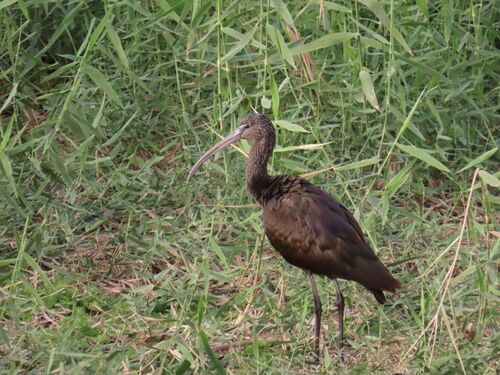 Mignattaio
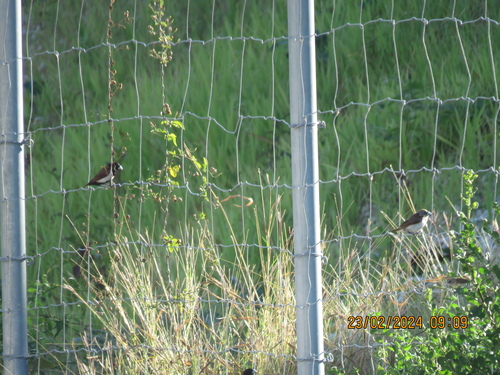 Tricolored Munia
In breve
Mignattaio e Tricolored Munia sono estremamente improbabili da confondere sul campo a causa della loro vasta differenza in dimensioni, struttura e habitat. La separazione più affidabile è la dimensione: Mignattaio è un grande trampoliere a gambe lunghe, mentre Tricolored Munia è un piccolo fringillide granivoro. In volo o posato, Mignattaio mostra un lungo becco ricurvo e ali iridescenti, mentre Tricolored Munia è compatto con un becco conico spesso e un audace motivo di piumaggio squadrato. I giovani di entrambe le specie sono più opachi, ma anche allora, le proporzioni e lo stile di volo dell'ibis sono inconfondibili. Se vedi un uccello in un'area umida con un becco a forma di falce, è un Mignattaio; un piccolo uccello in un prato o nei campi di riso con una testa nera e un ventre bianco è un Tricolored Munia.
Consigli di identificazione
- Size is the fastest check: Mignattaio è enorme rispetto a Tricolored Munia; se riesci a vedere entrambi nello stesso campo visivo del binocolo, la differenza è schiacciante. Usa questo anche a distanza.
- Bill shape: Mignattaio ha un lungo becco snodato e fortemente ricurvo (come una falce), visibile anche in silhouette. Tricolored Munia ha un becco corto, spesso e conico, di un pallido bluastro negli adulti, mai ricurvo.
- Leg length and posture: Mignattaio ha lunghe gambe simili a stilt e sta in piedi alto, in stile trampoliere, spesso in acqua. Munia ha gambe corte e si posiziona basso nell'erba o sui fusti.
- Flight style: Gli ibisi volano con il collo e le gambe completamente distesi, spesso in linee o formazioni a V. I munia volano con battiti d'ali rapidi e saltellanti, spesso in stormi stretti e contorti, mai in formazione a V.
- Adult plumage: Il Mignattaio in abito nuziale è marrone-rossastro con ali metalliche verdi/bronze/viola e una sottile banda facciale bianca. Il Munia ha un piumaggio nettamente disegnato: testa/petto neri, ventre/fianchi bianchi, dorso/ritmo castano. Nessuna sovrapposizione.
- Juvenile confusion: Il giovane Mignattaio è marrone opaco con fini striature bianche sulla testa/collo e un lungo becco ricurvo. Il giovane Munia è di un marrone caldo sopra, buffo sotto, con un becco corto e spesso e senza striature o iridescenza.
- Iridescence: Solo il Mignattaio mostra iridescenza metallica sulle ali (soprattutto negli adulti). Il Munia è completamente opaco.
- Facial markings: Il Mignattaio ha una stretta banda facciale bianca (in riproduzione) o pelle facciale blu-grigia (non in riproduzione), ma mai una testa nera solida come il munia adulto. La testa nera del Munia è nettamente demarcata dal ventre bianco.
- Habitat context: Se l'uccello sta cercando cibo in acqua aperta o setacciando il fango, è un Mignattaio. Se sta mangiando semi d'erba o posato in un campo di riso, è un Munia.
- Group size and composition: Grandi stormi sciolti o gruppi misti di trampolieri suggeriscono Mignattaio. Stormi stretti e chiacchieroni in prati o coltivazioni sono tipici del Munia.
- Tail and wing shape: Il Mignattaio ha una lunga coda arrotondata e ali larghe; il Munia ha una coda corta e ali compatte.
- Leg color: Le gambe dell'ibis sono rosso-marroni; le gambe del Munia sono grigie o grigie corna.
- Bill color: Il becco dell'ibis è marrone; il becco del Munia è di un pallido bluastro-grigio negli adulti.
- Perched silhouette: L'ibis è eretto e snello, anche quando è posato. Il Munia è compatto e dal corpo rotondo.
- Vocalization is not a useful separator in this pair, as the notes do not provide diagnostic calls for either species.
Taglia
La differenza di dimensioni è drammatica e diagnostica. Mignattaio pesa in media 633 g ed è lungo circa 48–66 cm, con un'apertura alare di 80–105 cm. Tricolored Munia è minuscolo in confronto, con soli 12.6 g e circa 11.5 cm di lunghezza, con un'apertura alare di 5.5–5.7 cm. Anche a distanza, l'ibis è un grande uccello simile a un airone, mentre il munia è delle dimensioni di un passero o più piccolo. Non c'è sovrapposizione in dimensioni o silhouette.
Piumaggio
- Juvenile/immature birds: Il giovane Mignattaio è marrone opaco nel complesso con fini striature bianche sulla testa e sul collo, privo della forte iridescenza degli adulti. Il giovane Tricolored Munia è marrone caldo sopra e buffo sotto, privo della testa nera e del ventre bianco dell'adulto, e non mostra mai iridescenza o striature. I giovani munia sono molto più semplici e più piccoli, senza striature facciali bianche o lucentezza iridescente.
- Adults: L'adulto Mignattaio in piumaggio nuziale ha un corpo marrone-rossastro con ali fortemente iridescenti (verdi, bronzo o viola) e una stretta banda facciale bianca. Gli adulti non in riproduzione sono più opachi ma mantengono il lungo becco ricurvo e le ali scure e lucide. Gli adulti di Tricolored Munia hanno un piumaggio nettamente contrastante: testa, gola e petto neri; ventre e fianchi bianchi; dorso e ritmo castano; e un becco spesso e pallido bluastro. Le penne delle ali sono marroni scure e le copritrici sotto le ali sono bianche o crema. Non c'è iridescenza nel piumaggio del munia.
Comportamento
Il Mignattaio è un trampoliere, spesso visto camminare e setacciare in aree umide poco profonde, paludi o campi allagati, di solito in piccoli o grandi stormi. Vola con il collo e le gambe distesi, spesso in linee eleganti o formazioni a V. Il Tricolored Munia è un fringillide granivoro, tipicamente visto in stormi attivi e compatti che si nutrono di semi d'erba o posati su canne e steli di riso. Il suo volo è breve, saltellante e diretto, con battiti d'ali rapidi e senza planate prolungate. I comportamenti e gli stili di stormo delle due specie sono completamente diversi.
Habitat
Il Mignattaio si trova in zone umide dolci o salmastre, paludi, pianure alluvionali e talvolta terreni agricoli irrigati, ma preferisce sempre aree con acqua stagnante e vegetazione emergente alta. Può riposare sugli alberi vicino alle zone umide. Il Tricolored Munia abita praterie, canneti, risaie e campi agricoli, specialmente dove ci sono erbe alte o coltivazioni, ma non si immerge o cerca cibo in acqua aperta. I munia sono raramente, se non mai, visti negli ambienti umidi profondi preferiti dagli ibisi.