

Zwarte ibis vs Indische witte ibis
Plegadis falcinellus versus Threskiornis melanocephalus
Speel een quiz met Zwarte ibis en Indische witte ibis
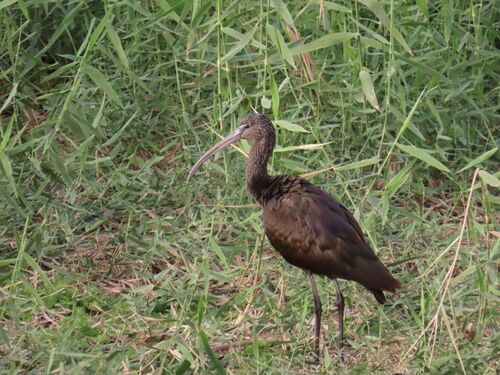 Zwarte ibis
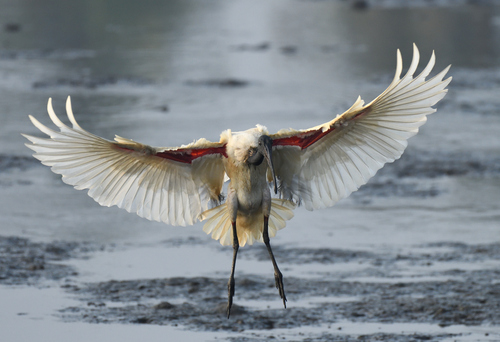 Indische witte ibis
Kort gezegd
Het meest betrouwbare veldkenmerk om Zwarte ibis van Indische witte ibis te scheiden, is de algehele kleur van het verenkleed: Zwarte ibis is donker en iriserend (roestbruin met groene of paarse glans), terwijl Indische witte ibis voornamelijk wit is met een scherp zwart kale kop en nek. Juveniele Indische witte ibis vertonen enige grijsachtige en bruin-grijze verenkleed, maar benaderen nooit de volledig donkere uitstraling van Zwarte ibis. De kleur en vorm van de snavel helpen ook: Zwarte ibis heeft een slanke, bruine, sikkelvormige snavel, terwijl Indische witte ibis een zwaardere, zwarte, naar beneden gebogen snavel heeft. In de vlucht of in rust zijn deze verschillen zelfs op afstand duidelijk. Beide soorten kunnen in vergelijkbare wetlands worden aangetroffen, maar hun uiterlijk is opvallend verschillend zodra ze goed worden gezien.
Herkenningstips
- Algehele kleur van het verenkleed: Zwarte ibis is donker roestbruin tot zwartachtig met metalen groene of paarse glans; Indische witte ibis is wit met een kale zwarte kop en nek. Dit is de meest directe en betrouwbare onderscheid voor alle leeftijden en seizoenen.
- Kleur en vorm van de snavel: Zwarte ibis heeft een slanke, bruine, sikkelvormige snavel; Indische witte ibis heeft een zwaardere, zwarte, naar beneden gebogen snavel. De kleur van de snavel is vooral nuttig op afstand of bij slecht licht.
- Kop en nek: Zwarte ibis heeft een gevederde kop en nek, donkerbruin met fijne witte strepen bij juvenielen en niet-broedende vogels; Indische witte ibis heeft een opvallend kale zwarte kop en nek bij volwassenen, en grijsachtig verenkleed bij juvenielen, maar nooit volledig gevederd zoals Zwarte.
- Vluchtuiterlijk: In de vlucht is Zwarte ibis uniform donker boven en onder, zonder lichte gebieden; Indische witte ibis toont witte vleugels en lichaam met een zwarte kop en nek, wat een sterk contrast creëert.
- Details van het broedkleed: Broed Zwarte ibis toont een subtiele smalle witte gezichtsrand; Indische witte ibis kan zwarte ornamentale staartveren, rode kale plekken onder de vleugel en soms blauwachtige of roestige tinten op de kop vertonen, maar deze zijn minder belangrijk in vergelijking met het algehele kleurverschil.
- Verwarring bij juvenielen: Juveniele Indische witte ibis heeft grijsachtige en bruin-grijze vlekken, maar lijkt nog steeds veel bleker dan enige Zwarte ibis. Juveniele Zwarte ibis is donkerbruin met fijne witte strepen op de nek, en benadert nooit de witte lichaamsuitstraling van Indische witte ibis.
- Kleur van de poten: Zwarte ibis heeft roodbruine poten; Indische witte ibis heeft zwarte poten. Dit kan helpen wanneer vogels staan of waden.
- Grootte en structuur: Indische witte ibis is groter en robuuster, met een langere nek en zwaardere snavel. Zwarte ibis is slanker en eleganter, vooral in de vlucht.
- Habitatoverlap: Beide soorten gebruiken wetlands, maar Indische witte ibis is waarschijnlijker in stedelijke, agrarische of zelfs vervuilde gebieden. Zwarte ibis geeft de voorkeur aan meer natuurlijke, begroeide wetlands, maar dit is niet diagnostisch.
- Groepsgedrag: Zwarte ibis vormt vaak hechte groepen en vliegt in V-vormatie; Indische witte ibis wordt vaker alleen of in losse groepen gezien.
- Rustplaatsen: Beide kunnen in bomen rusten, soms in gemengde soorten groepen, dus de context van rustplaatsen scheidt ze niet.
- Stem: Beide zijn over het algemeen stil, dus vertrouw niet op roepen voor identificatie.
- Seizoensgebonden veranderingen: Het broedseizoen brengt subtiele veranderingen (gezichtsrand bij Zwarte, ornamentale veren en kleur van kale huid bij Indische), maar het algehele kleurpatroon blijft het belangrijkste kenmerk.
- Geslachtsverschillen: Beide soorten zijn seksueel monomorf; gebruik geslacht niet als veldkenmerk.
- Valstrikken: Slecht licht of afstand kan Indische witte ibis donkerder laten lijken, maar het witte lichaam blijft meestal duidelijk. Modderige Indische witte ibis kan er vuil uitzien, maar nooit zo donker of glanzend als Zwarte ibis.
Grootte
Zwarte ibis is iets kleiner, met een gemiddelde lichaamsmassa van 633 g en een lengte van 48–66 cm, terwijl Indische witte ibis groter is, met een lengte van 65–76 cm (geen massa gegeven, maar visueel robuuster). In het veld lijkt Indische witte ibis zwaarder en met een langere nek, met een stevigere snavel en langere poten. Wanneer ze samen worden gezien, is het grootteverschil merkbaar, maar niet zo dramatisch als het kleurcontrast.
Verenkleed
Juveniele en niet-broedende Zwarte ibis zijn over het algemeen donkerbruin, met de kop en nek fijn gestreept met wit, en missen enige witte of lichte gebieden op het lichaam of de vleugels. Volwassenen worden rijker roestbruin met sterke metalen groene, bronzen of paarse glans op de vleugels, en een subtiele witte gezichtsrand in het broedseizoen. In tegenstelling tot dat hebben Indische witte ibis van alle leeftijden een voornamelijk wit lichaam. Volwassenen hebben een kale zwarte kop en nek, en zwarte snavel en poten; in het broedseizoen kunnen ze zwarte ornamentale staartveren, rode kale plekken onder de vleugel en soms blauwachtige of roestige tinten op de kop vertonen. Juvenielen vertonen grijsachtig verenkleed op de nek en bruin-grijze vlekken op de vleugels en rug, maar lijken nog steeds veel bleker dan enige Zwarte ibis. In de vlucht toont Indische witte ibis witte vleugels en lichaam met een zwarte kop en nek, terwijl Zwarte ibis uniform donker is.
Gedrag
Beide soorten foerageren in ondiepe wetlands, vaak in groepen, en kunnen gemeenschappelijk in bomen rusten. Zwarte ibis heeft de neiging om hechtere groepen te vormen en vliegt vaak in V-formaties met de nek uitgestrekt. Indische witte ibis wordt vaker alleen of in losse groepen gezien, en kan toleranter zijn voor stedelijke en verstoorde gebieden. Beide bouwen platformnesten in kolonies, soms met andere watervogels.
Habitat
Zwarte ibis geeft de voorkeur aan zoetwater- of brakwaterwetlands met dichte opkomende vegetatie, zoals riet en papyrus, maar kan ook worden aangetroffen in natte weilanden, overstromingsvlakten en zelfs geïrrigeerde landbouwgrond. Het is minder gebruikelijk in kust- of zoute habitats. Indische witte ibis is zeer veelzijdig en gebruikt een breed scala aan wetlands, waaronder zoetwater- en zoutwatermoerassen, meren, rijstvelden, rioolvijvers en zelfs vuilnisbelten en stedelijke meren. In India is Indische witte ibis de enige inheemse ibis met een wit lichaam en een zwarte kop/nek, waardoor habitat minder nuttig is voor scheiding.
Geluid
Geen van beide soorten is opmerkelijk vocaal. Indische witte ibis is over het algemeen stil, zonder een echt stemproducerend mechanisme, maar kan ventriloquistische kreten uiten bij het nest. Zwarte ibis is ook stil, met geen onderscheidende roepen genoteerd in de bronnen. Stem is geen betrouwbaar veldkenmerk voor het scheiden van deze twee.