

Mignattaio vs Black-headed Ibis
Plegadis falcinellus contro Threskiornis melanocephalus
Fai un quiz con Mignattaio e Black-headed Ibis
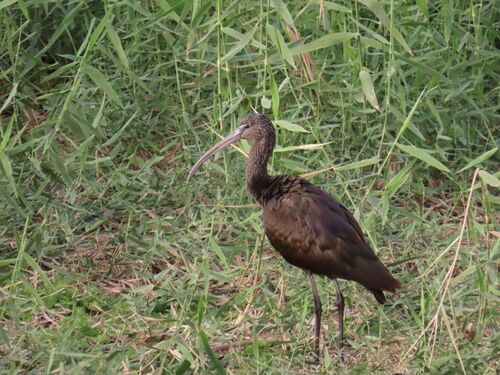 Mignattaio
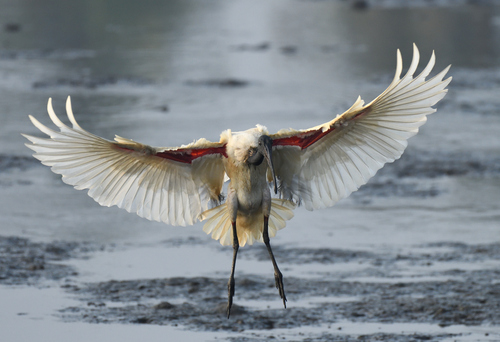 Black-headed Ibis
In breve
Il segno distintivo più affidabile per separare il Mignattaio dal Black-headed Ibis è il colore complessivo del piumaggio: il Mignattaio è scuro e iridescente (marrone-rossiccio con riflessi verdi o viola), mentre il Black-headed Ibis è per lo più bianco con una testa e un collo nudi di un nero intenso. I giovani Black-headed Ibis mostrano alcune piume grigio e marrone-grigio, ma non si avvicinano mai all'aspetto completamente scuro del Mignattaio. Anche il colore e la forma del becco aiutano: il Mignattaio ha un becco marrone, snodato e a forma di falce, mentre il Black-headed Ibis ha un becco più pesante, nero e curvo verso il basso. In volo o a riposo, queste differenze sono chiare anche da lontano. Entrambe le specie possono essere trovate in habitat umidi simili, ma il loro aspetto è notevolmente diverso una volta osservato bene.
Consigli di identificazione
- Overall plumage color: Il Mignattaio è scuro marrone-rossiccio a nerastro con riflessi metallici verdi o viola; il Black-headed Ibis è di corpo bianco con una testa e un collo neri nudi. Questa è la distinzione più immediata e affidabile per tutte le età e stagioni.
- Bill color and shape: Il Mignattaio ha un becco snodato, marrone e a forma di falce; il Black-headed Ibis ha un becco più pesante, nero e curvo verso il basso. Il colore del becco è particolarmente utile da lontano o in condizioni di scarsa illuminazione.
- Head and neck: Il Mignattaio ha una testa e un collo piumati, marrone scuro con sottili striature bianche nei giovani e nei non riproduttori; il Black-headed Ibis ha una testa e un collo nudi neri molto evidenti negli adulti, e piumaggio grigio nei giovani, ma mai completamente piumati come il Mignattaio.
- Flight appearance: In volo, il Mignattaio è uniformemente scuro sopra e sotto, senza aree chiare; il Black-headed Ibis mostra ali e corpo bianchi con una testa e un collo neri, creando un forte contrasto.
- Breeding plumage details: Il Mignattaio in riproduzione mostra un sottile bordo facciale bianco; il Black-headed Ibis può mostrare piume ornamentali nere sulla coda, macchie rosse nude sotto l'ala, e talvolta sfumature bluastre o rossastre sulla testa, ma queste sono minori rispetto alla differenza di colore complessiva.
- Juvenile confusion: Il giovane Black-headed Ibis ha macchie grigio e marrone-grigio, ma appare comunque molto più chiaro di qualsiasi Mignattaio. Il giovane Mignattaio è marrone scuro con sottili striature bianche sul collo, mai avvicinandosi all'aspetto di corpo bianco del Black-headed Ibis.
- Leg color: Il Mignattaio ha zampe rosso-marroni; il Black-headed Ibis ha zampe nere. Questo può aiutare quando gli uccelli sono in piedi o in cerca di cibo.
- Size and structure: Il Black-headed Ibis è più grande e massiccio, con un collo più lungo e un becco più pesante. Il Mignattaio è più snello e aggraziato, specialmente in volo.
- Habitat overlap: Entrambe le specie utilizzano habitat umidi, ma il Black-headed Ibis è più probabile che si trovi in siti urbani, agricoli o anche inquinati. Il Mignattaio preferisce habitat umidi più naturali e vegetati, ma questo non è diagnostico.
- Group behavior: Il Mignattaio forma spesso stormi compatti e vola in formazione a V; il Black-headed Ibis è più spesso visto singolarmente o in gruppi sciolti.
- Roosting: Entrambi possono riposare sugli alberi, talvolta in stormi misti, quindi il contesto di riposo non li separa.
- Voice: Entrambi sono generalmente silenziosi, quindi non fare affidamento sui richiami per l'identificazione.
- Seasonal changes: La stagione di riproduzione porta a cambiamenti sottili (bordo facciale nel Mignattaio, piume ornamentali e colore della pelle nuda nel Black-headed), ma il modello di colore complessivo rimane il segno distintivo chiave.
- Sex differences: Entrambe le specie sono sessualmente monomorfiche; non utilizzare il sesso come segno distintivo.
- Pitfalls: La scarsa illuminazione o la distanza possono far apparire il Black-headed Ibis più scuro, ma il corpo bianco di solito rimane evidente. Il Black-headed Ibis macchiato di fango può apparire sporco, ma mai così scuro o lucido come il Mignattaio.
Taglia
Il Mignattaio è leggermente più piccolo, con una massa corporea media di 633 g e una lunghezza di 48–66 cm, mentre il Black-headed Ibis è più grande, misurando 65–76 cm di lunghezza (nessuna massa fornita, ma visivamente più massiccio). Sul campo, il Black-headed Ibis appare più pesante e con un collo più lungo, con un becco più robusto e zampe più lunghe. Quando visti insieme, la differenza di dimensioni è evidente, ma non così drammatica come il contrasto di colore.
Piumaggio
I giovani e i Mignattaio non in riproduzione sono complessivamente marrone scuro, con la testa e il collo finemente striati di bianco, e mancano di aree bianche o chiare sul corpo o sulle ali. Gli adulti diventano più riccamente marrone-rossiccio con forti riflessi metallici verdi, bronzo o viola sulle ali, e un sottile bordo facciale bianco nella stagione di riproduzione. Al contrario, il Black-headed Ibis di tutte le età ha un corpo prevalentemente bianco. Gli adulti hanno una testa e un collo neri nudi, e becco e zampe neri; nella stagione di riproduzione, possono mostrare piume ornamentali nere sulla coda, macchie rosse nude sotto l'ala, e talvolta sfumature bluastre o rossastre sulla testa. I giovani mostrano piumaggio grigio sul collo e macchie marrone-grigio sulle ali e sulla schiena, ma appaiono comunque molto più chiari di qualsiasi Mignattaio. In volo, il Black-headed Ibis mostra ali e corpo bianchi con testa e collo neri, mentre il Mignattaio è uniformemente scuro.
Comportamento
Entrambe le specie cercano cibo in habitat umidi poco profondi, spesso in gruppi, e possono riposare comunemente sugli alberi. Il Mignattaio tende a formare stormi più compatti e vola spesso in formazioni a V con il collo disteso. Il Black-headed Ibis è più spesso visto singolarmente o in gruppi sciolti, e può essere più tollerante verso aree urbane e disturbate. Entrambi costruiscono nidi a piattaforma in colonie, talvolta con altri uccelli acquatici.
Habitat
Il Mignattaio preferisce habitat umidi di acqua dolce o salmastra con vegetazione emergente densa, come canne e papiro, ma può anche essere trovato in prati umidi, pianure alluvionali e persino terreni agricoli irrigati. È meno comune in habitat costieri o salini. Il Black-headed Ibis è altamente versatile, utilizzando una vasta gamma di habitat umidi, comprese paludi di acqua dolce e salata, laghi, campi di riso, laghetti di scarico e persino discariche e laghi urbani. In India, il Black-headed Ibis è l'unico ibis nativo con un corpo bianco e testa/collo neri, rendendo l'habitat meno utile per la separazione.
Voce
Nessuna delle due specie è particolarmente vocale. Il Black-headed Ibis è generalmente silenzioso, privo di un vero meccanismo di produzione vocale, ma può emettere grugniti ventriloqui nel nido. Anche il Mignattaio è silenzioso, senza richiami distintivi notati nelle fonti. La voce non è un segno distintivo affidabile per separare questi due.