

Witoogbuulbuul vs Roodoogbuulbuul
Pycnonotus simplex versus Pycnonotus brunneus
Speel een quiz met Witoogbuulbuul en Roodoogbuulbuul
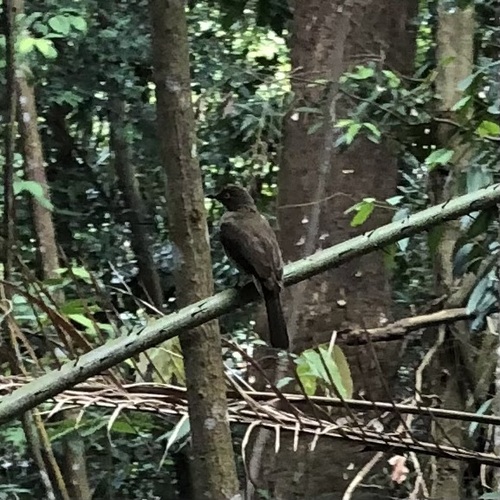 Witoogbuulbuul
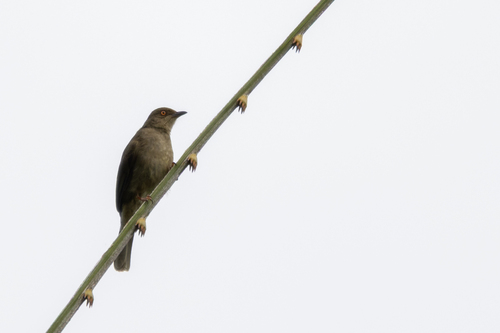 Roodoogbuulbuul
Kort gezegd
Het meest betrouwbare veldkenmerk tussen Witoogbuulbuul en Roodoogbuulbuul is de oogkleur: Witoogbuulbuul heeft een bleke, witachtige of crèmekleurige iris, terwijl Roodoogbuulbuul een duidelijk rode of roodbruinige iris vertoont bij volwassenen. Beide soorten zijn vergelijkbaar in algehele grootte en structuur, en delen veel van hun verspreidingsgebied en habitat, dus aandacht voor de oogkleur is essentieel. Andere verschillen in verenkleed en structuur zijn subtiel of niet goed beschreven in de beschikbare bronnen, waardoor iris kleur de belangrijkste scheiding in het veld is. Onvolwassen vogels kunnen doffere oogkleuren vertonen, wat de identificatie kan compliceren.
Herkenningstips
- Iris kleur is het meest betrouwbare veldkenmerk: Witoogbuulbuul vertoont een bleke, witachtige of crèmekleurige iris, terwijl Roodoogbuulbuul een rode of roodbruinige iris heeft bij volwassenen. Controleer altijd de oogkleur in goed licht voordat je een identificatie maakt.
- Pas op voor onvolwassen vogels: Jonge Roodoogbuulbuuls kunnen een doffere, bruinachtige iris hebben die op Witoogbuulbuul kan lijken. Als het oog niet duidelijk rood is, overweeg dan de leeftijd en zoek naar andere ondersteunende kenmerken, hoewel deze niet goed zijn beschreven in de bronnen.
- Algeheel verenkleed is vergelijkbaar: Beide soorten zijn olijfbruin boven en lichter onder, zonder sterke verschillen in lichaamskleur of patroon. Vertrouw niet op de algemene kleurtoon om ze te scheiden.
- Geen onderscheidend vleugel- of staartpatroon: Er zijn geen gedocumenteerde verschillen in vleugel- of staartmarkeringen, zowel zittend als in de vlucht, voor welke leeftijdsgroep dan ook.
- Structuur is niet diagnostisch: De vorm van de snavel, de lengte van de staart en de algehele verhoudingen worden niet beschreven als verschillend tussen deze twee soorten.
- Gedrag is niet behulpzaam: Beide soorten gedragen zich als typische buulbuuls, en zoeken op vergelijkbare manieren en in vergelijkbare habitats.
- Habitatoverlap is uitgebreid: Beide komen voor in dezelfde soorten laaglandbossen in hun gedeelde verspreidingsgebied, dus gebruik habitat niet als primaire scheiding.
- Vertrouw niet op vocalisaties: Er zijn geen onderscheidende verschillen in roepen of liedjes beschreven in de bronnen; identificatie moet visueel zijn.
- Verlichting kan iris kleur beïnvloeden: In slecht licht of schaduw kan zelfs de rode iris van Roodoogbuulbuul dof of donker lijken, dus probeer altijd te bevestigen in goede omstandigheden.
- Controleer meerdere individuen: Als het mogelijk is, kijk dan naar verschillende vogels in een groep, aangezien gemengde groepen kunnen voorkomen en de oogkleur bij sommige individuen duidelijker kan zijn dan bij andere.
- Maak een foto voor latere beoordeling: Als je twijfelt, kan een duidelijke foto van het hoofd en het oog later bevestiging mogelijk maken, vooral als de iris kleur in het veld ambigu is.
- Gebruik het verspreidingsgebied niet als scheiding: Beide soorten zijn aanwezig in het hele Maleisische schiereiland, Sumatra en Borneo, dus de geografische locatie binnen dit gebied helpt niet.
- Geen seksuele dimorfisme: Mannetjes en vrouwtjes zijn vergelijkbaar in beide soorten, dus geslacht kan niet worden gebruikt voor identificatie.
- Seizoensgebonden veranderingen in verenkleed zijn niet beschreven: Neem aan dat het volwassen verenkleed het hele jaar door stabiel is voor beide soorten op basis van beschikbare aantekeningen.
- Bij twijfel, geef prioriteit aan iris kleur en leeftijd: Als je geen duidelijke rode iris kunt zien, overweeg dan de mogelijkheid van een jonge Roodoogbuulbuul, maar als de iris duidelijk bleek is, is Witoogbuulbuul het meest waarschijnlijk.
Grootte
Op basis van beschikbare gegevens zijn beide soorten zeer vergelijkbaar in grootte, met Roodoogbuulbuul die gemiddeld rond de 28 gram in lichaamsgewicht weegt. Er zijn geen meetgegevens voor Witoogbuulbuul in de bronnen, maar veldervaring en taxonomische nabijheid suggereren weinig tot geen zichtbare grootteverschillen in het veld. De structuur, inclusief snavel en staart, wordt niet beschreven als diagnostisch tussen deze twee soorten.
Verenkleed
Er zijn geen onderscheidende verschillen in vleugel- of vluchtpatronen beschreven voor onvolwassen of jonge vogels van beide soorten in de beschikbare aantekeningen. Beide soorten zijn typische buulbuuls met over het algemeen olijfbruin of bruinachtige bovenkanten en lichtere onderkanten. Het belangrijkste onderscheid in verenkleed is de iris kleur: Witoogbuulbuul heeft een bleke, witachtige of crèmekleurige iris, terwijl Roodoogbuulbuul een rode of roodbruinige iris heeft bij volwassenen. Onvolwassen Roodoogbuulbuuls kunnen een doffere, bruinachtige iris vertonen, die mogelijk overlapt met Witoogbuulbuul, dus voorzichtigheid is geboden bij jonge vogels. Geen verdere leeftijds- of seizoensspecifieke verschillen in verenkleed zijn gedocumenteerd in de bronnen.
Gedrag
Beide soorten zijn typische buulbuuls in gedrag, vaak gezien terwijl ze in paren of kleine groepen voedsel zoeken in het midden van het bos of in de boomtoppen. Er zijn geen beschreven gedragsverschillen die zouden helpen om ze in het veld te scheiden.
Habitat
Zowel Witoogbuulbuul als Roodoogbuulbuul bewonen subtropische of tropische vochtige laaglandbossen, en hun verspreidingsgebieden overlappen uitgebreid op het Maleisische schiereiland, Sumatra en Borneo. Habitatvoorkeur is geen betrouwbare scheiding, aangezien beide soorten in vergelijkbare bossoorten en hoogtes binnen hun gedeelde verspreidingsgebied kunnen worden aangetroffen.