

Motmot

メジロチャイロヒヨ 対 アカメチャイロヒヨ

Pycnonotus simplex 対 Pycnonotus brunneus

メジロチャイロヒヨとアカメチャイロヒヨのクイズ
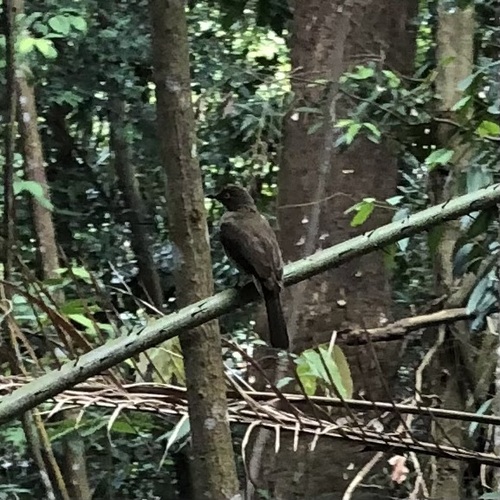
メジロチャイロヒヨ (Pycnonotus simplex) メジロチャイロヒヨ
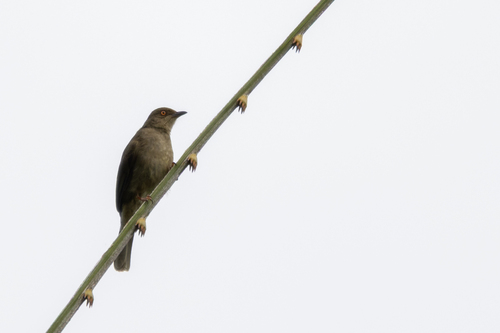
アカメチャイロヒヨ (Pycnonotus brunneus) アカメチャイロヒヨ

メディア

読み込み中…

要点

クリームベントヒヨとアカメチャイロヒヨの最も信頼できるフィールドマークは目の色です:クリームベントヒヨは淡い、白っぽいまたはクリーム色の虹彩を持ち、アカメチャイロヒヨは成鳥で明確な赤または赤褐色の虹彩を示します。両種は全体的なサイズと構造が似ており、範囲と生息地の多くを共有しているため、目の色に注意を払うことが重要です。他の羽毛や構造の違いは微妙であり、利用可能な情報源では十分に記述されていないため、虹彩の色がフィールドでの重要な区別点となります。未成熟の鳥は鈍い目の色を示すことがあり、識別が複雑になる可能性があります。

識別のコツ

  1. 虹彩の色は最も信頼できるフィールドマークです: クリームベントヒヨは淡い、白っぽいまたはクリーム色の虹彩を示し、アカメチャイロヒヨは成鳥で赤または赤褐色の虹彩を持っています。識別を行う前に、良い光の下で目の色を確認してください。
  2. 未成熟の鳥に注意してください: 若いアカメチャイロヒヨは鈍い茶色の虹彩を持ち、クリームベントに似ることがあります。目が明確に赤でない場合は、年齢を考慮し、他の支持マークを探してくださいが、これらは情報源では十分に記述されていません。
  3. 全体的な羽毛は似ています: 両種は上面がオリーブブラウンで、下面がより淡い色をしており、体の色合いやパターンに強い違いはありません。一般的な色調に頼って区別しないでください。
  4. 特徴的な翼や尾のパターンはありません: どの年齢層でも、止まっている時や飛んでいる時の翼や尾のマーキングに文書化された違いはありません。
  5. 構造は診断的ではありません: ビルの形状、尾の長さ、全体的な比率は、これらの二種の間で異なるとは記述されていません。
  6. 行動は役に立ちません: 両種は典型的なヒヨのように振る舞い、似たような方法や生息地で採餌します。
  7. 生息地の重複は広範です: 両種は共有範囲内の同じタイプの低地森林に生息しているため、生息地を主要な区別点として使用しないでください。
  8. 鳴き声に頼らないでください: 情報源では呼び声や歌の明確な違いは記述されていないため、識別は視覚的であるべきです。
  9. 照明が虹彩の色に影響を与えることがあります: 悪い光や影の中では、アカメチャイロヒヨの赤い虹彩でさえ鈍く見えることがあるため、常に良い条件で確認するようにしてください。
  10. 複数の個体を確認してください: 可能であれば、グループ内の複数の鳥を観察してください。混合フロックが発生することがあり、目の色が他の個体よりも明らかになることがあります。
  11. 後で確認するために写真を撮る: 不確かな場合は、頭と目の明確な写真が後での確認を可能にします。特にフィールドで虹彩の色があいまいな場合は重要です。
  12. 範囲を区別点として使用しないでください: 両種はマレー半島、スマトラ、ボルネオ全体に存在するため、この地域内の地理的位置は役に立ちません。
  13. 性差はありません: 両種のオスとメスは似ているため、性別を識別に使用することはできません。
  14. 季節ごとの羽毛の変化は記述されていません: 利用可能なノートに基づいて、成鳥の羽毛は年間を通じて安定していると仮定してください。
  15. 疑わしい場合は、虹彩の色と年齢を優先してください: 明確な赤い虹彩が見えない場合は、若いアカメチャイロヒヨの可能性を考慮してくださいが、虹彩が明確に淡い場合はクリームベントが最も可能性が高いです。

大きさ

利用可能なデータに基づくと、両種はサイズが非常に似ており、アカメチャイロヒヨは体重が約28グラムです。情報源にはクリームベントヒヨの測定データはありませんが、フィールド経験と分類学的近接性は、フィールドで目に見えるサイズの違いがほとんどないことを示唆しています。ビルや尾を含む構造は、これらの二種の間で診断的とは記述されていません。

羽色

利用可能なノートでは、どちらの種についても特徴的な幼鳥や未成熟の翼や飛行パターンの違いは記述されていません。両種は一般的にオリーブブラウンまたは茶色の上面とより淡い下面を持つ典型的なヒヨです。主な羽毛の違いは虹彩の色にあります:クリームベントヒヨは淡い、白っぽいまたはクリーム色の虹彩を持ち、アカメチャイロヒヨは成鳥で赤または赤褐色の虹彩を持っています。未成熟のアカメチャイロヒヨは鈍い茶色の虹彩を示すことがあり、クリームベントと重なる可能性があるため、若い鳥には注意が必要です。情報源では年齢や季節に特有の羽毛の違いは記録されていません。

行動

両種は行動において典型的なヒヨであり、森林の中層や樹冠でペアまたは小グループで採餌しているのがよく見られます。フィールドでそれらを区別するのに役立つ行動の違いは記述されていません。

生息環境

クリームベントヒヨとアカメチャイロヒヨは亜熱帯または熱帯の湿った低地森林に生息しており、彼らの範囲はマレー半島、スマトラ、ボルネオで広範に重なっています。生息地の好みは信頼できる区別点ではなく、両種は共有範囲内の同様の森林タイプや標高で見つけることができます。

より良い説明を送る

比較と同じ項目を使ってください。文章はすぐに公開されます。

The most reliable field mark between Cream-vented Bulbul and Red-eyed Bulbul is the eye color: Cream-vented Bulbul has a pale, whitish or cream-colored iris, while Red-eyed Bulbul shows a distinctly red or reddish-brown iris in adults. Both species are similar in overall size and structure, and share much of their range and habitat, so careful attention to the eye color is essential. Other plumage and structural differences are subtle or not well described in the available sources, making iris color the key separator in the field. Immature birds may show duller eye colors, which can complicate identification.

  1. Iris color is the single most reliable field mark: Cream-vented Bulbul shows a pale, whitish or cream iris, while Red-eyed Bulbul has a red or reddish-brown iris in adults. Always check eye color in good light before making an identification.
  2. Beware of immature birds: Young Red-eyed Bulbuls may have a duller, brownish iris that can resemble Cream-vented. If the eye is not clearly red, consider age and look for other supporting marks, though these are not well described in the sources.
  3. Overall plumage is similar: Both species are olive-brown above and paler below, with no strong differences in body coloration or pattern. Do not rely on general color tone to separate them.
  4. No distinctive wing or tail pattern: There are no documented differences in wing or tail markings, either perched or in flight, for any age group.
  5. Structure is not diagnostic: Bill shape, tail length, and overall proportions are not described as differing between these two species.
  6. Behavior is not helpful: Both species behave like typical bulbuls, foraging in similar ways and habitats.
  7. Habitat overlap is extensive: Both occur in the same types of lowland forests throughout their shared range, so do not use habitat as a primary separator.
  8. Do not rely on vocalizations: No distinctive differences in calls or songs are described in the sources; identification should be visual.
  9. Lighting can affect iris color: In poor light or shade, even the red iris of Red-eyed Bulbul may appear dull or dark, so always try to confirm in good conditions.
  10. Check multiple individuals: If possible, look at several birds in a group, as mixed flocks can occur and eye color may be more obvious on some individuals than others.
  11. Photograph for later review: If uncertain, a clear photo of the head and eye can allow for later confirmation, especially if iris color is ambiguous in the field.
  12. Do not use range as a separator: Both species are present throughout the Malay Peninsula, Sumatra, and Borneo, so geographic location within this area does not help.
  13. No sexual dimorphism: Males and females are similar in both species, so sex cannot be used for identification.
  14. Seasonal plumage changes are not described: Assume adult plumage is stable year-round for both species based on available notes.
  15. When in doubt, prioritize iris color and age: If you cannot see a clear red iris, consider the possibility of a young Red-eyed Bulbul, but if the iris is distinctly pale, Cream-vented is most likely.

Based on available data, both species are very similar in size, with Red-eyed Bulbul averaging around 28 grams in body mass. There is no measurement data for Cream-vented Bulbul in the sources, but field experience and taxonomic proximity suggest little to no size difference visible in the field. Structure, including bill and tail, is not described as diagnostic between these two species.

No distinctive juvenile or immature wing or flight pattern differences are described for either species in the available notes. Both species are typical bulbuls with generally olive-brown or brownish upperparts and paler underparts. The main plumage distinction is in the iris color: Cream-vented Bulbul has a pale, whitish or cream iris, while Red-eyed Bulbul has a red or reddish-brown iris in adults. Immature Red-eyed Bulbuls may show a duller, brownish iris, potentially overlapping with Cream-vented, so caution is needed with young birds. No further age- or season-specific plumage differences are documented in the sources.

Both species are typical bulbuls in behavior, often seen foraging in pairs or small groups in the forest midstory or canopy. There are no described behavioral differences that would help separate them in the field.

Both Cream-vented Bulbul and Red-eyed Bulbul inhabit subtropical or tropical moist lowland forests, and their ranges overlap extensively on the Malay Peninsula, Sumatra, and Borneo. Habitat preference is not a reliable separator, as both species can be found in similar forest types and elevations within their shared range.

変更を破棄しますか?

保存していない編集があります。今離れると失われます。

メジロチャイロヒヨ · アカメチャイロヒヨ · 苦手な鳥