
Indische sperwerkoekoek vs Kleine koekoek
Hierococcyx varius versus Cuculus poliocephalus
Speel een quiz met Indische sperwerkoekoek en Kleine koekoek
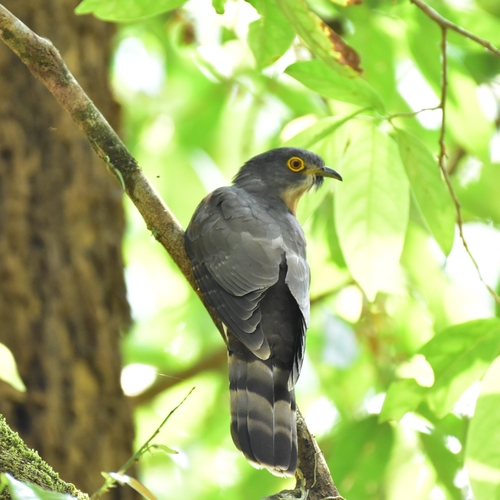 Indische sperwerkoekoek
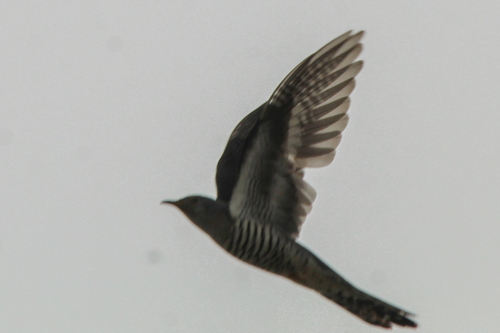 Kleine koekoek
Kort gezegd
De meest betrouwbare manier om de Indische sperwerkoekoek van de Kleine koekoek te scheiden, is aan de hand van hun structuur en verenkleed: de Indische sperwerkoekoek is duidelijk groter, robuuster en heeft een brede, gebande staart en een opvallende gele oogring, terwijl de Kleine koekoek kleiner, slanker is en het sterke havachtige uiterlijk mist. Juveniele Indische sperwerkoekoek vertoont gedurfde chevronmarkeringen op de buik en een gestreepte borst, wat de Kleine koekoek mist. In de vlucht zijn de flap-en-glijd stijl van de Indische sperwerkoekoek en de gelijkenis met een kleine accipiter sterke aanwijzingen, vooral wanneer ze worden gecombineerd met alarmreacties van andere vogels. De stem is ook een belangrijke scheiding: de herhaalde, stijgende 'brainfever'-roep van de Indische sperwerkoekoek is onmiskenbaar, terwijl de Kleine koekoek een heel ander, melodieuzer lied geeft.
Herkenningstips
- Grootte en bulk: De Indische sperwerkoekoek is veel groter en robuuster dan de Kleine koekoek; als de vogel op een duif lijkt of merkbaar robuust is, geef dan de voorkeur aan de sperwerkoekoek.
- Staartpatroon: Zoek naar een brede, sterk gebande staart bij de Indische sperwerkoekoek (alle leeftijden); de staart van de Kleine koekoek is slanker en minder opvallend gemarkeerd.
- Gele oogring: Een prominente gele oogring is een belangrijk veldkenmerk van de Indische sperwerkoekoek (volwassenen en onvolwassen); de Kleine koekoek mist deze eigenschap.
- Onderdeelmarkeringen (onvolwassen): Juveniele Indische sperwerkoekoek vertoont gedurfde bruine chevrons op de buik en een gestreepte borst, met een bleke kin; juveniele Kleine koekoek vertonen deze combinatie niet.
- Borst en buik (volwassenen): Volwassen Indische sperwerkoekoek heeft bruine dwarsbanden op witachtige onderdelen; de Kleine koekoek is eenvoudiger van onder.
- Vluchtstijl: De Indische sperwerkoekoek gebruikt een flap-en-glijd vlucht, die sterk lijkt op een kleine accipiter (zoals Shikra); de vlucht van de Kleine koekoek is typischer voor koekoeken, minder havachtig.
- Zittend gedrag: Na het landen schudt de Indische sperwerkoekoek vaak zijn staart van links naar rechts; dit gedrag is minder typisch voor de Kleine koekoek.
- Alarmreactie: Als kleine vogels of eekhoorns zich verzamelen of alarmroepen geven, vermoed dan de Indische sperwerkoekoek, aangezien zijn havachtige uiterlijk deze reacties uitlokt.
- Vocalisaties: De herhaalde, stijgende 'brainfever'-roep is diagnostisch voor de Indische sperwerkoekoek; het lied van de Kleine koekoek is melodieuzer en minder repetitief.
- Habitat en seizoen: In het schiereiland India is de Indische sperwerkoekoek de verwachte soort; de Kleine koekoek is waarschijnlijker in de Himalaya of als migrant in Sri Lanka.
- Gastheer associatie: Als gezien in de buurt van babbler groepen (Turdoides), vooral tijdens het broedseizoen, is de Indische sperwerkoekoek waarschijnlijker.
- Geslachtsverschillen: Beide soorten zijn seksueel monomorf in verenkleed, dus vertrouw niet op geslacht voor scheiding.
- Overlap voorzichtigheid: In gebieden met overlappend bereik (bijv. Sri Lanka, Himalaya), gebruik een combinatie van grootte, staartpatroon, oogring en stem voor een zekere identificatie.
- Verwarringsrisico: Beide kunnen verward worden met andere koekoeken of met kleine haviken (vooral Shikra); controleer altijd de combinatie van havachtig uiterlijk, gele oogring en onderdeelpunt voor de Indische sperwerkoekoek.
- Bij twijfel: Als de vogel klein, eenvoudig en zonder gele oogring of sterke bandering is, is de Kleine koekoek waarschijnlijker, vooral buiten het belangrijkste bereik van de Indische sperwerkoekoek.
Grootte
De Indische sperwerkoekoek is ongeveer de grootte van een duif (ca. 34 cm), waardoor hij merkbaar groter en robuuster is dan de Kleine koekoek, die een kleinere, slanker soort is. Het verschil in grootte is zowel zittend als in de vlucht duidelijk, waarbij de Indische sperwerkoekoek een robuuster lichaam en een langere, bredere staart vertoont. De Kleine koekoek lijkt in vergelijking delicater en compacter. Beide geslachten van de Indische sperwerkoekoek zijn vergelijkbaar in grootte, hoewel mannetjes iets groter kunnen zijn.
Verenkleed
- Juveniele/onvolwassen vogels: Onvolwassen Indische sperwerkoekoek heeft een gestreepte borst en grote bruine chevronmarkeringen op de buik, evenals een bleke kin. Deze markeringen zijn gedurfd en diagnostisch voor jonge vogels. Onvolwassen Kleine koekoek vertonen deze combinatie van gedurfde chevrons en strepen niet; hun onderdelen zijn over het algemeen minder sterk gemarkeerd.
- Volwassenen: Volwassen Indische sperwerkoekoek is asgrijs boven en witachtig onder met bruine dwarsbanden, en een brede, sterk gebande staart. De gele oogring is prominent. Volwassen Kleine koekoek zijn over het algemeen eenvoudiger, zonder het havachtige banderen en de sterke gele oogring. Beide soorten hebben vergelijkbare bovenkleuren, maar de onderdeelbande en het staartpatroon zijn meer uitgesproken bij de Indische sperwerkoekoek.
- Vluchtzicht: De brede, gebande staart van de Indische sperwerkoekoek en het algehele havachtige uiterlijk zijn evident in de vlucht, terwijl de Kleine koekoek slanker en minder accipiterachtig lijkt.
Gedrag
De Indische sperwerkoekoek is beroemd om zijn havachtige gedrag: hij gebruikt een flap-en-glijd vluchtstijl, schudt vaak zijn staart van links naar rechts na het landen, en triggert vaak alarmroepen van kleine vogels en eekhoorns, die hem voor een roofvogel aanzien. De Kleine koekoek imiteert het havengedrag niet in dezelfde mate en is minder waarschijnlijk om dergelijke alarmreacties uit te lokken. De Indische sperwerkoekoek is ook waarschijnlijker om opvallend te zitten, vooral tijdens het broedseizoen wanneer hij roept.
Habitat
Beide soorten kunnen voorkomen in vergelijkbare bosrijke en struikachtige habitats, maar de Indische sperwerkoekoek is een wijdverspreide bewoner van het Indiase subcontinent, terwijl de Kleine koekoek een migrant is, die broedt in Oost-Azië en de Himalaya en overwintert in Afrika en Sri Lanka. Tijdens het broedseizoen is de Indische sperwerkoekoek nauw verbonden met de aanwezigheid van babbler-gastheersoorten (Turdoides spp.), terwijl de Kleine koekoek minder gebonden is aan een specifieke gastheer of habitattype. Overlap is mogelijk in de Himalaya en Sri Lanka, maar de Indische sperwerkoekoek is waarschijnlijker in centraal en zuidelijk India.
Geluid
De roep van de Indische sperwerkoekoek is een luide, herhaalde, drie-noten 'brainfever'-zin, die in toonhoogte stijgt en abrupt eindigt, vaak volhardend gedurende de dag en zelfs 's nachts. Deze roep is zeer onderscheidend en scheidt hem gemakkelijk van de Kleine koekoek, die een melodieuzer, minder dwingend lied heeft. Vrouwelijke Indische sperwerkoekoek geeft een reeks schurende noten, die ook anders zijn dan de vocalisaties van de Kleine koekoek.
Indische sperwerkoekoek · Kleine koekoek · Mijn lastige vogels