

Musduif vs Verreauxduif
Columbina passerina versus Leptotila verreauxi
Speel een quiz met Musduif en Verreauxduif
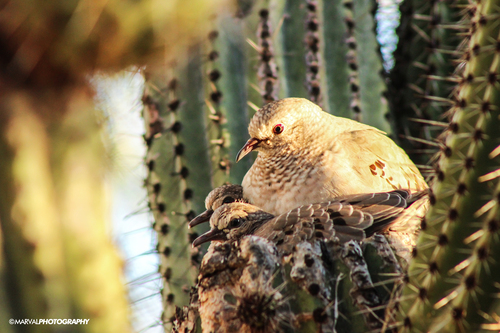 Musduif
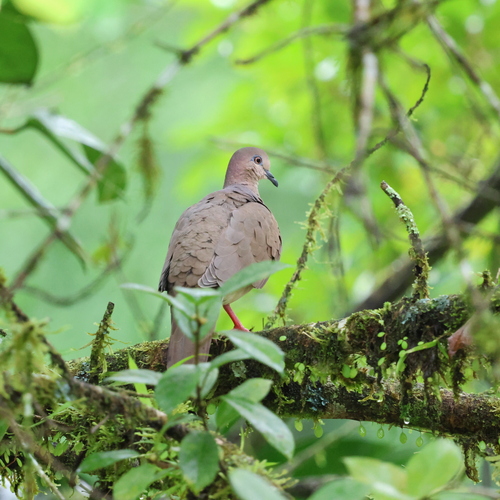 Verreauxduif
Kort gezegd
Het meest betrouwbare veldkenmerk om de Musduif van de Verreauxduif te scheiden, is de grootte: de Musduif is uitzonderlijk klein, nauwelijks de helft van de lengte en een fractie van de massa van de stevige Verreauxduif. In de vlucht, let op de korte staart en kastanjebruine vleugelflitsen van de Musduif, tegenover de brede witte staartpunten en roestkleurige ondervleugels van de Verreauxduif. Zittend toont de Musduif een gele basis van de snavel met een zwarte punt en een schubachtige kop en borst, terwijl de Verreauxduif een veel eenvoudiger gezicht heeft met een zwarte snavel en een rode of blauwe oogring. Beide soorten foerageren op de grond, maar het verschil in bulk en structuur is opvallend op elke afstand.
Herkenningstips
- Grootte is het meest directe kenmerk: De Musduif is klein (grootte van een mus), terwijl de Verreauxduif groot en fors is (bijna grootte van een duif). Dit verschil is zelfs op afstand of in gemengde groepen duidelijk.
- Staartlengte en -vorm: De Musduif heeft een zeer korte staart, die nauwelijks uitsteekt voorbij de vleugels wanneer hij zit. De Verreauxduif heeft een lange, brede staart met een opvallende witte punt (vooral zichtbaar in de vlucht van onderaf).
- Vluchtpatroon en vleugelkenmerken: In de vlucht, let op de kastanjebruine primaire veren en vleugelranden van de Musduif (alle leeftijden); de Verreauxduif mist dit, en toont in plaats daarvan roestkleurige ondervleugelbedekking en een brede witte staartpunt.
- Hoofd- en borstpatroon: De Musduif toont een schubachtig patroon op het hoofd en de bovenborst, uniek onder duiven in zijn bereik. Het hoofd en de borst van de Verreauxduif zijn glad en eenvoudig.
- Kleur van de snavel: De Musduif heeft een gele basis van de snavel met een zwarte punt; de snavel van de Verreauxduif is helemaal zwart.
- Kleur van de oogring: De Verreauxduif heeft een prominente rode of blauwe oogring (afhankelijk van de regio), terwijl de Musduif een zwakke oogring mist.
- Gezichtskleur: De Musduif heeft roze veren rond de snavel; het gezicht van de Verreauxduif is lichtgrijs of witachtig zonder roze tinten.
- Seksueel dimorfisme: Mannelijke Musduiven hebben leisteengrijze kruinen en roze-grijze buiken; vrouwtjes zijn grijzer en gelijkmatiger gekleurd. De Verreauxduif vertoont weinig seksueel dimorfisme in het veld.
- Pluimagepatroon: De bovenkant en vleugels van de Musduif zijn bruin met zwarte vlekken; de Verreauxduif is eenvoudig grijs-bruin boven zonder sterk patroon.
- Habitatvoorkeur: Als de vogel zich in open, droge, onkruidige grond bevindt, is de Musduif waarschijnlijker. In dichte bossen of bosranden, vooral in de tropen, heeft de Verreauxduif de voorkeur.
- Gedrag: De Musduif wordt vaak gezien in kleine groepen, wandelend of rennend op de grond, en is relatief tam. De Verreauxduif is solitair of in paren, voorzichtiger, en vliegt op met luide vleugelslagen.
- Vocalisaties: Luister naar de zachte, stijgende kreten van de Musduif versus de diepe, holle twee-noten hoot van de Verreauxduif.
- Staartkleur in de vlucht: De staart van de Musduif past bij de rug en is kort; de staart van de Verreauxduif is breed met een witte punt, het beste zichtbaar van onderaf.
- Onderwingkleur: De Verreauxduif toont roestkleurige ondervleugelbedekking in de vlucht; de ondervleugel van de Musduif is niet onderscheidend behalve voor de kastanjebruine primaire veren.
- Regionale variatie: Wees bewust van lokale ondersoortenverschillen (bijv. lichtere of donkerdere vormen), maar deze overschrijden de belangrijkste structurele en pluimageverschillen tussen de twee soorten.
Grootte
De Musduif is de kleinste duif van Noord-Amerika, met een lengte van slechts 15–18 cm en een gewicht van 26–40 g. In tegenstelling tot de Verreauxduif, die veel groter is met ongeveer 28 cm en 155 g—bijna vier keer zwaarder. Het verschil is duidelijk, zelfs zonder directe vergelijking: de Musduif lijkt klein, met een korte staart en compact, terwijl de Verreauxduif een groot lichaam, lange staart en robuust is. Als je een duif ziet die eruitziet als een mus, is het vrijwel zeker een Musduif; alles dat de grootte van een duif of groter is, is een Verreauxduif.
Verenkleed
- In de vlucht:
- Musduif (alle leeftijden): Toont kastanjebruine primaire veren en vleugelranden, alleen zichtbaar in de vlucht, en een zeer korte staart die overeenkomt met de rugkleur. De bovenste vleugelbedekking en vluchtveren zijn bruin met zwarte vlekken.
- Verreauxduif (volwassen): Toont brede witte punten op de staart, het beste zichtbaar van onderaf of in de vlucht, en roestkleurige ondervleugelbedekking. Bovenkant en vleugels zijn eenvoudig grijs-bruin zonder sterk patroon.
- Zittend:
- Musduif: Hoofd en bovenborst hebben een schubachtige uitstraling; snavel is geel met een zwarte punt; mannetjes hebben leisteengrijze kruinen en roze-grijze buiken, terwijl vrouwtjes grijzer en gelijkmatiger gekleurd zijn. Staart is zeer kort.
- Verreauxduif: Hoofd en onderdelen zijn glad, met een lichtgrijze of witachtige voorhoofd en keel, grijs-bruin bovenkant, en witachtige tot roze onderdelen. Snavel is zwart, oogring is rood of blauw, en staart is lang en breed met een witte punt. Geen schubachtig patroon op het hoofd of de borst.
Gedrag
Beide soorten foerageren op de grond, maar de Musduif wordt vaak gezien terwijl hij wandelt of rent in open, onkruidige gebieden, soms in kleine groepen. Hij is vertrouwelijk en kan een nauwe benadering toestaan. De Verreauxduif is meer solitair of in paren, typisch voorzichtig en snel om op te vliegen. Zijn vlucht is snel en direct met luide vleugelslagen, typisch voor grotere duiven. De vlucht van de Musduif is laag en zwak, passend bij zijn kleine formaat en korte staart.
Habitat
De Musduif geeft de voorkeur aan open, droge habitats zoals velden, struikgewas en randen van bossen, vooral in het zuiden van de VS, het Caribisch gebied en Midden-Amerika. De Verreauxduif is meer een vogel van bossen, bosranden en dichte doornstruiken in de Neotropen. Hoewel beide soorten aan bosranden kunnen worden aangetroffen, is de Verreauxduif zelden in open, blootgestelde gebieden waar de Musduif zich comfortabel voelt.
Geluid
De Musduif geeft een reeks zachte, stijgende kreten, herhaald en onderscheidend van elke andere duif in zijn bereik. De roep van de Verreauxduif is een diepe, holle twee-noten hoot: een inleidende noot gevolgd door een langere, resonantere ooo-wooooo. Het verschil in toonhoogte en structuur is duidelijk als beide worden gehoord.