

Motmot

スズメバト 対 シロビタイシャコバト

Columbina passerina 対 Leptotila verreauxi

スズメバトとシロビタイシャコバトのクイズ
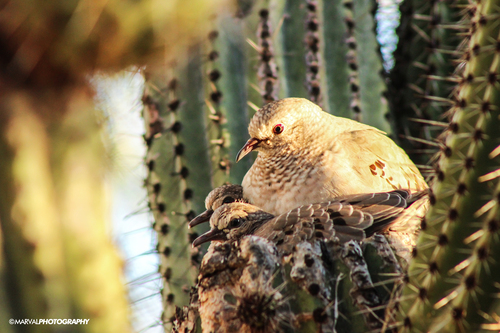
スズメバト (Columbina passerina) スズメバト
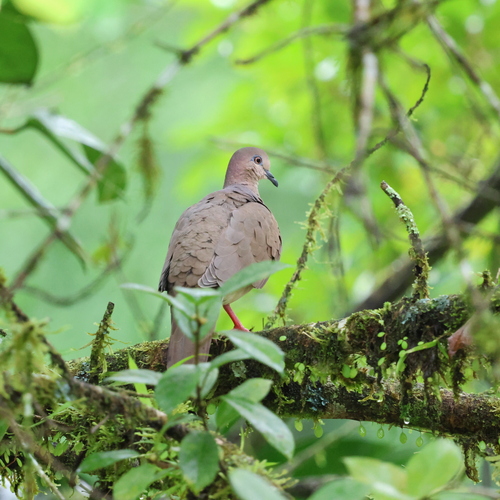
シロビタイシャコバト (Leptotila verreauxi) シロビタイシャコバト

メディア

読み込み中…

要点

スズメバトとシロビタイシャコバトを区別する最も信頼できるフィールドマークはサイズです:スズメバトは非常に小さく、シロビタイシャコバトの重い体重の半分にも満たない長さと質量です。飛んでいるとき、スズメバトの短い尾と栗色の翼のフラッシュを探してください。一方、シロビタイシャコバトは広い白い尾の先端と赤褐色の下翼を持っています。止まっているとき、スズメバトは黒い先端のある黄色の基部のくちばしと鱗状の頭部と胸を示しますが、シロビタイシャコバトは黒いくちばしと赤または青のアイリングを持つ非常に地味な顔をしています。両種は地面で餌を探しますが、体格と構造の違いはどんな距離でも際立っています。

識別のコツ

  1. サイズは最も即座な手がかりです: スズメバトは小さく(スズメサイズ)、シロビタイシャコバトは大きくてがっしりしています(ほぼハトサイズ)。この違いは、距離があっても混合群れの中でも明らかです。
  2. 尾の長さと形: スズメバトは非常に短い尾を持ち、止まっているときには翼を超えてほとんど突き出ません。シロビタイシャコバトは目立つ白い先端を持つ長くて広い尾を持っています(特に下から見たときに飛行中に目立ちます)。
  3. 飛行パターンと翼のマーク: 飛行中、スズメバトの栗色の初列風切羽と翼の境界を探してください(すべての年齢);シロビタイシャコバトはこれを欠き、代わりに赤褐色の下翼の覆い羽と広い白い尾の先端を示します。
  4. 頭部と胸のパターン: スズメバトは頭部と上胸に鱗状のパターンを示し、その範囲内の鳩の中でユニークです。シロビタイシャコバトの頭部と胸は滑らかで地味です。
  5. くちばしの色: スズメバトは黒い先端のある黄色の基部のくちばしを持ち、シロビタイシャコバトのくちばしはすべて黒です。
  6. アイリングの色: シロビタイシャコバトは目立つ赤または青のアイリングを持っています(地域によって異なる)、一方、スズメバトは強いアイリングを欠いています。
  7. 顔の色: スズメバトはくちばしの周りにピンクの羽毛を持ち、シロビタイシャコバトの顔は淡い灰色または白っぽく、ピンクのトーンはありません。
  8. 性差: オスのスズメバトはスレートグレーの冠とピンクグレーの腹部を持ち、メスはより灰色で均一な色をしています。シロビタイシャコバトはフィールドでの性差がほとんどありません。
  9. 羽毛のパターン: スズメバトの上面と翼は黒い斑点のある茶色で、シロビタイシャコバトは強いパターンがない平坦な灰褐色です。
  10. 生息地の好み: 鳥が開けた乾燥した雑草の生えた地面にいる場合、スズメバトの可能性が高いです。密な森林や森林の端、特に熱帯地域ではシロビタイシャコバトが好まれます。
  11. 行動: スズメバトはしばしば小さな群れで地面を歩いたり走ったりしているのが見られ、比較的おとなしいです。シロビタイシャコバトは孤独またはペアで、より警戒心が強く、大きな翼の音で飛び立ちます。
  12. 鳴き声: スズメバトの柔らかく上昇するウープ音と、シロビタイシャコバトの深く空洞の二音のフー音を聞いてください。
  13. 飛行中の尾の色: スズメバトの尾は背中と同じ色で短いです;シロビタイシャコバトの尾は広く、白い先端があり、下から見ると最もよく見えます。
  14. 下翼の色: シロビタイシャコバトは飛行中に赤褐色の下翼の覆い羽を示します;スズメバトの下翼は栗色の初列風切羽を除いては特に目立ちません。
  15. 地域的変異: 地元の亜種の違い(例:より淡いまたは暗い形態)に注意してくださいが、これらは両種の主な構造的および羽毛の違いを覆い隠すことはありません。

大きさ

スズメバトは北アメリカで最も小さな鳩で、長さはわずか15〜18 cm、体重は26〜40 gです。対照的に、シロビタイシャコバトは約28 cm、155 gと非常に大きく、ほぼ4倍の重さです。この違いは直接比較しなくても明らかです:スズメバトは小柄で短い尾を持ち、コンパクトに見えますが、シロビタイシャコバトは大きな体、長い尾、頑丈です。スズメサイズの鳩を見た場合、それはほぼ確実にスズメバトであり、ハトサイズ以上のものはシロビタイシャコバトです。

羽色

行動

両種は地面で餌を探しますが、スズメバトはしばしば開けた雑草の生えた場所で歩いたり走ったりしているのが見られ、時には小さな群れで見られます。おとなしく、近づくことを許すこともあります。シロビタイシャコバトはより孤独またはペアで、通常は警戒心が強く、大きな翼の音で飛び立ちます。その飛行は速く、直接的で、大きな鳩に典型的な大きな翼の音を伴います。スズメバトの飛行は低くて弱く、小さなサイズと短い尾に合っています。

生息環境

スズメバトは、特に南部アメリカ、カリブ海、中央アメリカの野原、低木、森林の端などの開けた乾燥した生息地を好みます。シロビタイシャコバトは、ネオトロピクス全体の森林、森林の端、密な茂みの鳥です。両者は森林の端で見られることがありますが、シロビタイシャコバトはスズメバトが快適にいる開けた露出した場所にはめったにいません。

声

スズメバトは、他の鳩とは異なる一連の柔らかく上昇するウープ音を出します。シロビタイシャコバトの鳴き声は、深く空洞の二音のフー音で、導入音の後により長く共鳴する音が続きます。両者が聞かれた場合、音程と構造の違いは明らかです。

より良い説明を送る

比較と同じ項目を使ってください。文章はすぐに公開されます。

The most reliable field mark to separate Common Ground Dove from White-tipped Dove is size: Common Ground Dove is exceptionally tiny, barely half the length and a fraction of the mass of the hefty White-tipped Dove. In flight, look for the Common Ground Dove’s short tail and chestnut wing flashes, versus the White-tipped Dove’s broad white tail tips and rufous underwings. Perched, Common Ground Dove shows a yellow-based bill with a black tip and scaly head and breast, while White-tipped Dove is much plainer-faced with a black bill and a red or blue eye-ring. Both species forage on the ground, but the difference in bulk and structure is striking at any distance.

  1. Size is the most immediate clue: Common Ground Dove is tiny (sparrow-sized), while White-tipped Dove is large and bulky (nearly pigeon-sized). This difference is obvious even at a distance or in mixed flocks.
  2. Tail length and shape: Common Ground Dove has a very short tail, barely projecting beyond the wings when perched. White-tipped Dove has a long, broad tail with a conspicuous white tip (especially visible in flight from below).
  3. Flight pattern and wing marks: In flight, look for chestnut primaries and wing borders on Common Ground Dove (all ages); White-tipped Dove lacks this, instead showing rufous underwing coverts and a broad white tail tip.
  4. Head and breast pattern: Common Ground Dove shows a scaly pattern on the head and upper breast, unique among doves in its range. White-tipped Dove’s head and breast are smooth and plain.
  5. Bill color: Common Ground Dove has a yellow-based bill with a black tip; White-tipped Dove’s bill is all black.
  6. Eye-ring color: White-tipped Dove has a prominent red or blue eye-ring (depending on region), while Common Ground Dove lacks a strong eye-ring.
  7. Facial color: Common Ground Dove has pink feathers around the bill; White-tipped Dove’s face is pale grey or whitish without pink tones.
  8. Sexual dimorphism: Male Common Ground Doves have slate-gray crowns and pink-gray bellies; females are grayer and more evenly colored. White-tipped Dove shows little sexual dimorphism in the field.
  9. Plumage pattern: Common Ground Dove’s upperparts and wings are brown with black spots; White-tipped Dove is plain grey-brown above with no strong patterning.
  10. Habitat preference: If the bird is in open, dry, weedy ground, Common Ground Dove is more likely. In dense woodland or forest edge, especially in the tropics, White-tipped Dove is favored.
  11. Behavior: Common Ground Dove is often seen in small groups, walking or running on the ground, and is relatively tame. White-tipped Dove is solitary or in pairs, more wary, and flushes with loud wing claps.
  12. Vocalizations: Listen for the soft, rising whoops of Common Ground Dove versus the deep, hollow two-note hoot of White-tipped Dove.
  13. Tail color in flight: Common Ground Dove’s tail matches the back and is short; White-tipped Dove’s tail is broad with a white tip, best seen from below.
  14. Underwing color: White-tipped Dove shows rufous underwing coverts in flight; Common Ground Dove’s underwing is not distinctive except for the chestnut primaries.
  15. Regional variation: Be aware of local subspecies differences (e.g., paler or darker forms), but these do not override the main structural and plumage differences between the two species.

Common Ground Dove is North America's smallest dove, measuring only 15–18 cm in length and weighing 26–40 g. In contrast, White-tipped Dove is much larger at about 28 cm and 155 g—nearly four times heavier. The difference is obvious even without direct comparison: Common Ground Dove appears petite, short-tailed, and compact, while White-tipped Dove is big-bodied, long-tailed, and robust. If you see a dove that looks sparrow-sized, it is almost certainly a Common Ground Dove; anything pigeon-sized or larger is a White-tipped Dove.

  • In flight:
  • Common Ground Dove (all ages): Shows chestnut primaries and wing borders, visible only in flight, and a very short tail matching the back color. The upperwing coverts and flight feathers are brown with black spots.
  • White-tipped Dove (adult): Shows broad white tips to the tail, best seen from below or in flight, and rufous underwing coverts. Upperparts and wings are plain grey-brown without strong patterning.
  • Perched:
  • Common Ground Dove: Head and upper breast have a scaly appearance; bill is yellow with a black tip; males have slate-gray crowns and pink-gray bellies, while females are grayer and more evenly colored. Tail is very short.
  • White-tipped Dove: Head and underparts are smooth, with a pale grey or whitish forehead and throat, grey-brown upperparts, and whitish to pinkish underparts. Bill is black, eye-ring is red or blue, and tail is long and broad with a white tip. No scaly pattern on the head or breast.

Both species forage on the ground, but Common Ground Dove is often seen walking or running in open, weedy areas, sometimes in small groups. It is confiding and may allow close approach. White-tipped Dove is more solitary or in pairs, typically wary and quick to flush. Its flight is fast and direct with loud wing claps, typical of larger pigeons. Common Ground Dove’s flight is low and weak, matching its small size and short tail.

Common Ground Dove prefers open, dry habitats such as fields, scrub, and edges of woodlands, especially in the southern U.S., Caribbean, and Central America. White-tipped Dove is more a bird of woodlands, forest edges, and dense thickets throughout the Neotropics. While both may be found at forest edges, White-tipped Dove is rarely in open, exposed areas where Common Ground Dove is comfortable.

Common Ground Dove gives a series of soft, rising whoops, repeated and distinct from any other dove in its range. White-tipped Dove’s call is a deep, hollow two-note hoot: an introductory note followed by a longer, more resonant ooo-wooooo. The difference in pitch and structure is clear if both are heard.

変更を破棄しますか?

保存していない編集があります。今離れると失われます。

スズメバト · シロビタイシャコバト · 苦手な鳥