

Kleine kaneelral vs Forbeskaneelral
Rallicula rubra versus Rallicula forbesi
Speel een quiz met Kleine kaneelral en Forbeskaneelral
 Kleine kaneelral
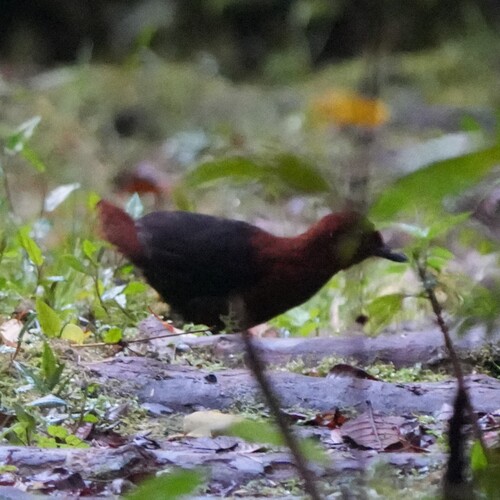 Forbeskaneelral
Kort gezegd
De meest betrouwbare manier om de Kleine kaneelral van de Forbeskaneelral in het veld te scheiden, is door te focussen op hun habitat en hoogte: de Kleine kaneelral is beperkt tot de Arfak-bergen en het westelijk-centrale Hoogland van Nieuw-Guinea, met een voorkeur voor montane bossen, terwijl de Forbeskaneelral breder voorkomt in Nieuw-Guinea, zowel in laagland- als montane bossen. Structureel en in verenkleed zijn deze twee rallen zeer vergelijkbaar, en de beschikbare bronnen beschrijven geen leeftijdspecifieke verschillen in vleugel- of vluchtpatronen. Als je een bosral tegenkomt in laaglandbos, is het bijna zeker de Forbeskaneelral; als je je in de hoge montane bossen van de Arfak of centrale hooglanden bevindt, is de Kleine kaneelral veel waarschijnlijker. Wanneer beide soorten in montaan bos voorkomen, is zorgvuldige aandacht voor het bereik essentieel, aangezien visuele veldkenmerken niet goed zijn beschreven om deze soorten te scheiden.
Herkenningstips
- Habitat en Hoogte: De enige meest betrouwbare aanwijzing is waar je de vogel vindt. De Kleine kaneelral is beperkt tot de Arfak-bergen en het westelijk-centrale Hoogland van Nieuw-Guinea in montaan bos; de Forbeskaneelral wordt overal in Nieuw-Guinea aangetroffen, zowel in laagland- als montane bossen.
- Geografisch Bereik: Als je buiten de Arfak-bergen of het westelijk-centrale hoogland bent, zie je bijna zeker de Forbeskaneelral.
- Laagland vs Montaan: Elke bosral in laaglandbos is de Forbeskaneelral; de Kleine kaneelral komt daar niet voor.
- Montane Overlap: In montane bossen van de Arfak of centrale hooglanden kunnen beide soorten voorkomen, dus controleer je exacte locatie en hoogte.
- Verenkleed: Er zijn geen diagnostische verenkleed- of vleugelpatroonverschillen beschreven voor enige leeftijd of seizoen. Vertrouw niet op kleur of patroon om deze soorten te scheiden.
- Structuur: Er zijn geen structurele verschillen (snavel, staart, vleugelformule) gedocumenteerd. Beide soorten zijn vergelijkbaar in vorm en grootte.
- Gedrag: Beide soorten zijn geheimzinnig en gedragen zich vergelijkbaar in dichte ondergroei. Gebruik gedrag niet voor scheiding.
- Stem: Er zijn geen verschillen in vocalisaties beschreven; gebruik geen roepen of liederen voor identificatie.
- Geslacht en Leeftijd: Er zijn geen bekende geslacht- of leeftijdsgerelateerde verschillen die helpen bij het scheiden in het veld.
- Valstrikken: De belangrijkste valstrik is aannemen dat je deze soorten visueel kunt scheiden; in werkelijkheid zijn locatie en habitat je enige betrouwbare aanwijzingen.
- Quizcontext: Als je deze in een quiz door elkaar hebt gehaald, controleer dan de habitat- en bereik aanwijzingen in de vraag—visuele aanwijzingen alleen zullen niet helpen.
- Documentatie: Als je denkt dat je de Kleine kaneelral buiten zijn bekende bereik hebt gevonden, documenteer dan zorgvuldig en zoek deskundige beoordeling, aangezien verkeerde identificatie zeer waarschijnlijk is.
- Gemeenschapsinbreng: Lokale vogelaars en eBird-beoordelaars zullen verwachten dat de Kleine kaneelral alleen in zijn beperkte montane bereik voorkomt; ongebruikelijke waarnemingen moeten kritisch worden bekeken.
- Samenvatting: Voor nu, gebruik bereik en habitat als je primaire hulpmiddelen; veldkenmerken zijn niet goed genoeg beschreven om deze twee rallen alleen op zicht te scheiden.
Grootte
Er zijn geen diagnostische grootteverschillen gerapporteerd tussen de Kleine kaneelral en de Forbeskaneelral. Beide zijn kleine rallen in de Sarothruridae-familie, en de beschikbare bronnen bieden geen meetgegevens voor volwassenen om ze te onderscheiden. In het veld is grootte alleen geen betrouwbare scheidingsfactor.
Verenkleed
Er zijn geen leeftijdspecifieke of volwassen verenkleedverschillen gedocumenteerd in de beschikbare bronnen voor deze twee soorten. Beide worden beschreven als bosrallen met vergelijkbare kleur en structuur. Er zijn geen aantekeningen over onderscheidende juvenile of onvolwassen bovenvleugelpatronen, noch over seizoensgebonden of geslachtgebonden verenkleedvariatie die veldscheiding mogelijk zou maken. Als toekomstige veldgidsen of foto-referenties subtiele verschillen onthullen, zijn die nog niet vastgelegd in de belangrijkste referenties.
Gedrag
Gedragsverschillen worden niet beschreven in de beschikbare aantekeningen. Beide soorten zijn geheimzinnige bosrallen, die waarschijnlijk in dichte ondergroei worden gezien of gehoord in plaats van gezien. Er is geen bewijs dat de ene soort waarschijnlijker is om op te vliegen, te rennen of zich anderszins anders te gedragen als reactie op verstoring.
Habitat
Habitat is de meest nuttige aanwijzing in het veld. De Kleine kaneelral wordt alleen aangetroffen in de Arfak-bergen en het westelijk-centrale Hoogland van Nieuw-Guinea, en is geassocieerd met subtropische of tropische vochtige montane bossen. De Forbeskaneelral is wijdverspreider in Nieuw-Guinea en komt voor in zowel laagland- als montane bossen. Dus, een bosral in laaglandbos is standaard de Forbeskaneelral, terwijl hoge-elevatie waarnemingen in de Arfak of centrale hooglanden wijzen op de Kleine kaneelral. Waar hun bereik overlapt in montaan bos, is zorgvuldige aandacht voor de locatie vereist.
Geluid
Er zijn geen vocalisatieverschillen beschreven in de beschikbare bronnen. Als je een ral in deze habitats hoort, kan de stem alleen niet worden gebruikt om de Kleine kaneelral van de Forbeskaneelral te onderscheiden op basis van de huidige informatie.