

Chestnut Forest Rail vs Forbes's Forest Rail
Rallicula rubra contro Rallicula forbesi
Fai un quiz con Chestnut Forest Rail e Forbes's Forest Rail
 Chestnut Forest Rail
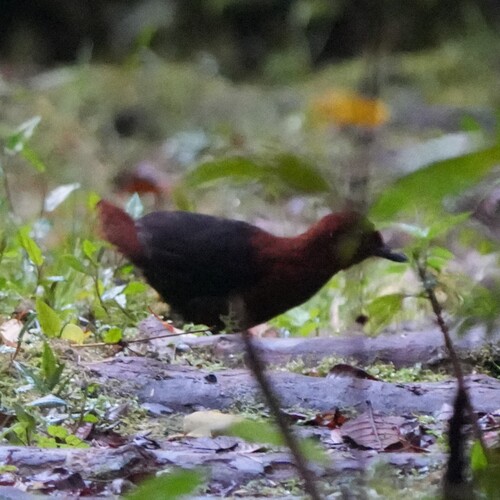 Forbes's Forest Rail
In breve
Il modo più affidabile per separare il Chestnut Forest Rail dal Forbes's Forest Rail sul campo è concentrarsi sul loro habitat e sull'elevazione: il Chestnut Forest Rail è limitato alle Montagne Arfak e agli Altopiani del New Guinea occidentale-centrale, favorendo le foreste montane, mentre il Forbes's Forest Rail si trova più ampiamente in tutta la Nuova Guinea sia nelle foreste di pianura che in quelle montane. Strutturalmente e nel piumaggio, queste due gallinelle sono molto simili, e le fonti disponibili non descrivono alcuna differenza nei modelli di ali o di volo specifici per età. Se incontri una gallinella in una foresta di pianura, è quasi certamente un Forbes's; se ti trovi nelle alte foreste montane delle Arfak o degli altopiani centrali, è molto più probabile che sia un Chestnut. Quando entrambe si trovano in una foresta montana, è essenziale prestare attenzione all'areale, poiché i segni visivi non sono ben descritti per separare queste specie.
Consigli di identificazione
- Habitat e Elevazione: L'unico indizio più affidabile è dove trovi l'uccello. Il Chestnut Forest Rail è limitato alle Montagne Arfak e agli Altopiani del New Guinea occidentale-centrale nelle foreste montane; il Forbes's si trova in tutta la Nuova Guinea sia nelle foreste di pianura che in quelle montane.
- Areale Geografico: Se sei al di fuori delle Montagne Arfak o degli altopiani occidentale-centrali, stai quasi certamente vedendo il Forbes's Forest Rail.
- Pianura vs Montano: Qualsiasi gallinella in una foresta di pianura è un Forbes's; il Chestnut non si trova lì.
- Sovrapposizione Montana: Nelle foreste montane delle Arfak o degli altopiani centrali, entrambe le specie potrebbero verificarsi, quindi controlla la tua posizione esatta e l'elevazione.
- Piumaggio: Non sono descritte differenze diagnostiche nel piumaggio o nei modelli delle ali per alcuna età o stagione. Non fare affidamento sul colore o sul modello per separare queste specie.
- Struttura: Non sono documentate differenze strutturali (becco, coda, formula delle ali). Entrambe le specie sono simili nella forma e nelle dimensioni.
- Comportamento: Entrambe le specie sono segrete e si comportano in modo simile in una densa vegetazione. Non utilizzare il comportamento per la separazione.
- Voce: Non sono descritte differenze nelle vocalizzazioni; non utilizzare richiami o canti per l'identificazione.
- Sesso ed Età: Non ci sono differenze note legate al sesso o all'età che aiutino nella separazione sul campo.
- Trappole: La principale trappola è presumere di poter separare queste specie visivamente; in realtà, la posizione e l'habitat sono i tuoi unici indizi affidabili.
- Contesto del Quiz: Se hai confuso queste specie in un quiz, controlla gli indizi sull'habitat e sull'areale nella domanda: i soli elementi visivi non aiuteranno.
- Documentazione: Se credi di aver trovato il Chestnut Forest Rail al di fuori del suo areale noto, documenta attentamente e cerca una revisione esperta, poiché l'errata identificazione è molto probabile.
- Input della Comunità: Gli uccellatori locali e i revisori di eBird si aspetteranno il Chestnut solo nel suo areale montano ristretto; i record insoliti dovrebbero essere scrutinati.
- Riepilogo: Per ora, utilizza l'areale e l'habitat come i tuoi strumenti principali; i segni sul campo non sono descritti abbastanza bene per separare queste due gallinelle solo a vista.
Taglia
Non sono riportate differenze diagnostiche nelle dimensioni tra il Chestnut Forest Rail e il Forbes's Forest Rail. Entrambi sono gallinelle di piccole dimensioni nella famiglia Sarothruridae, e le fonti disponibili non forniscono dati di misurazione per adulti per distinguerli. Sul campo, la dimensione da sola non è un punto di separazione affidabile.
Piumaggio
Non sono documentate differenze nel piumaggio specifiche per età o per adulti nelle fonti disponibili per queste due specie. Entrambi sono descritti come gallinelle forestali con colorazione e struttura simili. Non ci sono note su modelli distintivi delle ali superiori per i giovani o gli immaturi, né su variazioni nel piumaggio stagionale o basate sul sesso che consentirebbero una separazione sul campo. Se futuri guide sul campo o riferimenti fotografici rivelano differenze sottili, queste non sono ancora catturate nei riferimenti principali.
Comportamento
Non sono descritte differenze comportamentali nelle note disponibili. Entrambe le specie sono gallinelle forestali segrete, probabilmente viste nascondersi in una densa vegetazione o udite piuttosto che viste. Non ci sono prove che una sia più propensa a volare, correre o comportarsi in modo diverso in risposta a disturbi.
Habitat
L'habitat è l'indizio più utile sul campo. Il Chestnut Forest Rail si trova solo nelle Montagne Arfak e negli Altopiani del New Guinea occidentale-centrale, ed è associato a foreste montane umide subtropicali o tropicali. Il Forbes's Forest Rail è più diffuso in Nuova Guinea e si verifica sia nelle foreste di pianura che in quelle montane. Pertanto, una gallinella in una foresta di pianura è un Forbes's per default, mentre i record ad alta elevazione nelle Arfak o negli altopiani centrali indicano un Chestnut. Dove i loro areali si sovrappongono nelle foreste montane, è necessaria un'attenta attenzione alla località.
Voce
Non sono descritte differenze nelle vocalizzazioni nelle fonti disponibili. Se senti una gallinella in questi habitat, la voce da sola non può essere utilizzata per distinguere il Chestnut dal Forbes's Forest Rail in base alle informazioni attuali.
Chestnut Forest Rail · Forbes's Forest Rail · I miei uccelli difficili