

Canarische vink vs Gran-Canarische blauwe vink
Fringilla canariensis versus Fringilla polatzeki
Speel een quiz met Canarische vink en Gran-Canarische blauwe vink
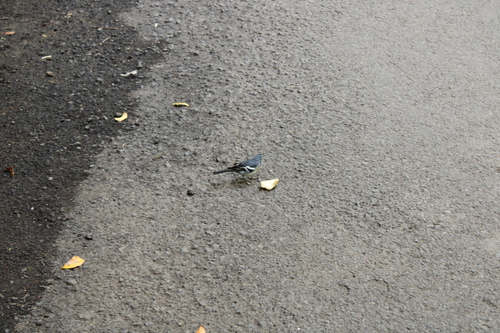 Canarische vink
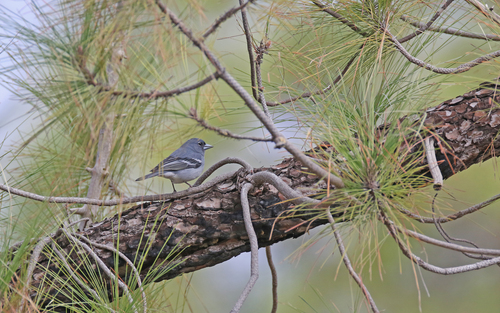 Gran-Canarische blauwe vink
Kort gezegd
Het meest betrouwbare veldkenmerk tussen Canarische vink en Gran-Canarische blauwe vink is de algehele kleur van het mannetje: het mannetje Canarische vink toont een donker blauw-grijze mantel met een roze gezicht en borst, terwijl het mannetje Gran-Canarische blauwe vink veel uniformer blauw van toon is en geen roze heeft. Beide soorten hebben wit in de vleugels, maar mannelijke Gran-Canarische blauwe vink tonen twee duidelijke witte vleugelstrepen, een kenmerk dat niet benadrukt wordt bij de Canarische vink. Vrouwtjes van beide zijn saai en bruinachtig, maar vrouwtjes Gran-Canarische blauwe vink zijn grijzer. De grootte is vergelijkbaar, maar de Gran-Canarische blauwe vink is iets zwaarder. Het habitat is een sterke aanwijzing: de Gran-Canarische blauwe vink is beperkt tot volwassen dennenbossen op hoogland Gran Canaria, terwijl de Canarische vink wijdverspreid is over de Canarische Eilanden.
Herkenningstips
- Mannelijke kleur is de sleutel: Het mannetje Canarische vink toont een donker blauw-grijze mantel en een rozeachtig gezicht en borst, terwijl mannelijke Gran-Canarische blauwe vink meer uniform blauw zijn zonder roze.
- Vleugelstrepen bij mannetjes: Mannelijke Gran-Canarische blauwe vink hebben twee gedurfde witte vleugelstrepen; de Canarische vink heeft wit in de vleugels maar niet zo duidelijk in twee banden. Gebruik dit kenmerk vooral bij zittende of vliegende mannetjes.
- Borstkleur: Beide kunnen een witte buik tonen, maar de Gran-Canarische blauwe vink wordt beschreven als een wittere buik met minder blauw dan de verwante Teneriefse blauwe vink; mannelijke Canarische vink hebben een wittere buik die contrasteert met een rozeachtige borst.
- Vrouwelijke verwarring: Vrouwtjes van beide zijn saai, maar vrouwtjes Gran-Canarische blauwe vink zijn meer grijs-bruin (kouder), terwijl vrouwtjes Canarische vink bruiner zijn. Dit is subtiel en onbetrouwbaar op afstand.
- Snavelvorm: Beide hebben vergelijkbare snavels, dus vertrouw niet op snavelgrootte of -vorm voor scheiding.
- Grootte: De Gran-Canarische blauwe vink is iets zwaarder, maar dit is geen praktisch veldkenmerk.
- Habitat: De Gran-Canarische blauwe vink wordt alleen gevonden in volwassen dennenbossen op hoge hoogte op Gran Canaria. Als je niet in dit habitat bent, is het bijna zeker niet deze soort.
- Verspreiding: De Canarische vink is wijdverspreid over de Canarische Eilanden; de Gran-Canarische blauwe vink is endemisch en extreem gelokaliseerd op Gran Canaria.
- Vluchtzicht: Zoek naar de twee witte vleugelstrepen op de Gran-Canarische blauwe vink in de vlucht; de Canarische vink zal zulke duidelijke dubbele vleugelstrepen niet tonen.
- Jizz: Beide zijn typische Fringilla-vinken in structuur en beweging; er worden geen onderscheidende verschillen opgemerkt in vluchtstijl of houding.
- Seizoen: Beide zijn resident en niet-migreerend, dus het seizoen is geen belangrijke scheiding.
- Stem: Er zijn geen onderscheidende vocale verschillen beschreven in de bronnen; vertrouw niet op stem voor scheiding.
- Jong/Onvolwassen vogels: Er zijn geen specifieke veldkenmerken voor jonge vogels beschreven, dus focus op habitat en algehele kleur.
- Valkuilen: Vrouwelijke en onvolwassen vogels zijn veel moeilijker te scheiden; gebruik habitat en locatie als primaire aanwijzingen als het verenkleed ambigu is.
- Context: De Gran-Canarische blauwe vink is kritiek bedreigd en extreem zeldzaam; elke waarneming buiten zijn bekende verspreiding/habitat is zeer onwaarschijnlijk.
Grootte
Beide soorten zijn vergelijkbaar in lengte (ongeveer 15–16 cm voor Canarische vink), maar de Gran-Canarische blauwe vink is iets zwaarder, met mannetjes die 27–29 g wegen en vrouwtjes 26–28 g. Dit verschil is subtiel en waarschijnlijk niet nuttig in het veld, tenzij je vogels hanteert. Structureel zijn beide typische Fringilla-vinken met vergelijkbare snavels (niet opvallend groot of klein in vergelijking met elkaar), en er worden geen onderscheidende verschillen in staart- of vleugelvorm opgemerkt.
Verenkleed
- Jong/Onvolwassen/Geen broed: Er zijn geen specifieke verschillen in vleugelpatronen voor jonge of onvolwassen vogels beschreven voor deze twee soorten, dus de focus ligt op het verenkleed van volwassen mannelijke en vrouwelijke vogels.
- Volwassen Mannetjes: Mannetjes Canarische vink hebben een donker blauw-grijze mantel, een lichter roze gezicht en borst, en een wittere buik en onderstaart. Mannetjes Gran-Canarische blauwe vink zijn meer uniform blauw (minder roze), met een wittere buik en twee prominente witte vleugelstrepen.
- Volwassen Vrouwtjes: Beide zijn saai, maar vrouwtjes Canarische vink zijn bruinachtig, terwijl vrouwtjes Gran-Canarische blauwe vink saai grijs-bruin zijn, mogelijk kouder van toon.
- Vleugels: Mannen Gran-Canarische blauwe vink hebben twee duidelijke witte vleugelstrepen, een belangrijk veldkenmerk. De Canarische vink heeft wit in de vleugels maar niet zo duidelijk in twee banden.
- Snavel: Beide hebben vergelijkbare snavels, niet duidelijk groot of klein in vergelijking met elkaar.
Gedrag
Beide soorten zijn grotendeels resident en niet-migreerend. De Gran-Canarische blauwe vink voedt zich voornamelijk met zaden van de Canarische den en is meer gespecialiseerd, terwijl de Canarische vink waarschijnlijk een breder dieet heeft (hoewel hier niet gedetailleerd). Beide voeden jonge vogels met insecten. Er worden geen grote verschillen in vluchtstijl of foerageergedrag beschreven.
Habitat
Het habitat is een sterke scheiding: de Gran-Canarische blauwe vink is beperkt tot hoogland dennenbossen (vooral het Inagua Natuurreservaat) op ongeveer 1.000 m hoogte op Gran Canaria, en is extreem gelokaliseerd en zeldzaam. De Canarische vink is wijdverspreid over de Canarische Eilanden en niet beperkt tot dennenbossen of hoge hoogtes. Als je buiten volwassen dennenbossen in het hoogland van Gran Canaria bent, is de Gran-Canarische blauwe vink zeer onwaarschijnlijk.
Canarische vink · Gran-Canarische blauwe vink · Mijn lastige vogels