

Canary Islands Chaffinch vs Gran Canaria Blue Chaffinch
Fringilla canariensis contro Fringilla polatzeki
Fai un quiz con Canary Islands Chaffinch e Gran Canaria Blue Chaffinch
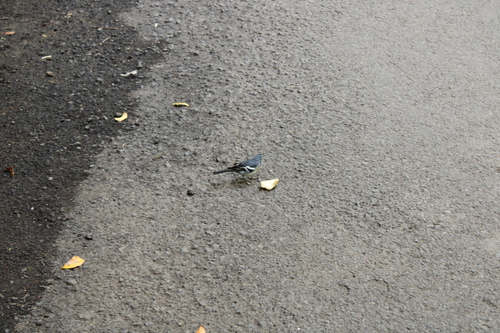 Canary Islands Chaffinch
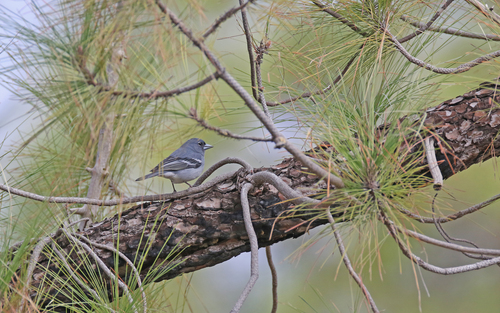 Gran Canaria Blue Chaffinch
In breve
Il segno di campo più affidabile tra Canary Islands Chaffinch e Gran Canaria Blue Chaffinch è la colorazione generale del maschio: il maschio di Canary Islands Chaffinch mostra un mantello blu-grigio scuro con un volto e un petto rosa, mentre il maschio di Gran Canaria Blue Chaffinch è molto più uniformemente blu e privo di rosa. Entrambe le specie hanno del bianco nelle ali, ma i maschi di Gran Canaria Blue Chaffinch mostrano due distinti bande bianche sulle ali, una caratteristica non enfatizzata in Canary Islands Chaffinch. Le femmine di entrambe sono opache e marroni, ma le femmine di Gran Canaria Blue Chaffinch sono più grigie. Le dimensioni sono simili, ma Gran Canaria Blue Chaffinch è leggermente più pesante. L'habitat è un indizio forte: Gran Canaria Blue Chaffinch è ristretto alle foreste di pini mature dell'entroterra di Gran Canaria, mentre Canary Islands Chaffinch è più diffuso attraverso le Isole Canarie.
Consigli di identificazione
- La colorazione del maschio è fondamentale: Il maschio di Canary Islands Chaffinch mostra un mantello blu-grigio scuro e un volto e un petto rosa, mentre i maschi di Gran Canaria Blue Chaffinch sono più uniformemente blu senza rosa.
- Bande sulle ali nei maschi: I maschi di Gran Canaria Blue Chaffinch hanno due bande bianche ben definite; Canary Islands Chaffinch ha del bianco nelle ali ma non così chiaramente in due bande. Usa questo segno specialmente su maschi appollaiati o in volo.
- Colore del ventre: Entrambi possono mostrare un ventre bianco, ma Gran Canaria Blue Chaffinch è descritto come avente un ventre più bianco con meno blu rispetto al Tenerife Blue Chaffinch correlato; i maschi di Canary Islands Chaffinch hanno un ventre più bianco che contrasta con il petto rosa.
- Confusione femminile: Le femmine di entrambe sono opache, ma le femmine di Gran Canaria Blue Chaffinch sono più grigio-marroni (più fredde), mentre le femmine di Canary Islands Chaffinch sono più marroni. Questo è sottile e inaffidabile a distanza.
- Forma del becco: Entrambi hanno becchi simili, quindi non fare affidamento sulla dimensione o forma del becco per la separazione.
- Dimensioni: Gran Canaria Blue Chaffinch è leggermente più pesante, ma questo non è un segno pratico di campo.
- Habitat: Gran Canaria Blue Chaffinch si trova solo in foreste di pini mature ad alta elevazione su Gran Canaria. Se non sei in questo habitat, è quasi certamente non questa specie.
- Distribuzione: Canary Islands Chaffinch è diffuso attraverso le Isole Canarie; Gran Canaria Blue Chaffinch è endemico e estremamente localizzato a Gran Canaria.
- Viste in volo: Cerca le due bande bianche sulle ali di Gran Canaria Blue Chaffinch in volo; Canary Islands Chaffinch non mostrerà bande doppie così chiare.
- Jizz: Entrambi sono tipici fringillidi nella struttura e nel movimento; non si notano differenze distintive nello stile di volo o nella postura.
- Stagione: Entrambi sono residenti e non migratori, quindi la stagione non è un separatore importante.
- Voce: Non si descrivono differenze vocali distintive nelle fonti; non fare affidamento sulla voce per la separazione.
- Giovani/Uguali: Non si descrivono segni di campo specifici per i giovani uccelli, quindi concentrati su habitat e colorazione generale.
- Trappole: Gli uccelli femmina e immaturi sono molto più difficili da separare; usa habitat e posizione come indizi primari se il piumaggio è ambiguo.
- Contesto: Gran Canaria Blue Chaffinch è in pericolo critico ed estremamente raro; qualsiasi avvistamento al di fuori della sua gamma/habitat noto è altamente improbabile.
Taglia
Entrambe le specie sono simili in lunghezza (circa 15–16 cm per Canary Islands Chaffinch), ma Gran Canaria Blue Chaffinch è leggermente più pesante, con maschi che pesano 27–29 g e femmine 26–28 g. Questa differenza è sottile e non è probabile che sia utile sul campo a meno che non si maneggino gli uccelli. Strutturalmente, entrambi sono tipici fringillidi con becchi simili (non notevolmente grandi o piccoli rispetto l'uno all'altro), e non si notano differenze distintive nella forma della coda o delle ali.
Piumaggio
- Giovani/Uguali/Non in riproduzione: Non si descrivono differenze specifiche nel pattern delle ali per giovani o immaturi per queste due specie, quindi ci si concentra sul piumaggio degli adulti maschi e femmine.
- Maschi Adulto: I maschi di Canary Islands Chaffinch hanno un mantello blu-grigio scuro, un volto e un petto rosa più chiari, e un ventre e un sottocoda più bianchi. I maschi di Gran Canaria Blue Chaffinch sono più uniformemente blu (meno rosa), con un ventre più bianco e due bande bianche prominenti.
- Femmine Adulte: Entrambi sono opachi, ma le femmine di Canary Islands Chaffinch sono marroni, mentre le femmine di Gran Canaria Blue Chaffinch sono grigio-marroni opache, che possono apparire con tonalità più fredde.
- Ali: I maschi di Gran Canaria Blue Chaffinch hanno due bande bianche distinte, un segno di campo chiave. Canary Islands Chaffinch ha del bianco nelle ali ma non così chiaramente in due bande.
- Becco: Entrambi hanno becchi simili, non distintamente grandi o piccoli rispetto l'uno all'altro.
Comportamento
Entrambe le specie sono per lo più residenti e non migratori. Gran Canaria Blue Chaffinch si nutre principalmente di semi di pino delle Isole Canarie ed è più specializzato, mentre Canary Islands Chaffinch ha probabilmente una dieta più ampia (anche se non dettagliata qui). Entrambi nutrono i giovani con insetti. Non si descrivono differenze significative nello stile di volo o nel comportamento di foraggiamento.
Habitat
L'habitat è un forte separatore: Gran Canaria Blue Chaffinch è ristretto alle foreste di pini dell'entroterra (soprattutto la Riserva Naturale di Inagua) a circa 1.000 m di altitudine su Gran Canaria, ed è estremamente localizzato e raro. Canary Islands Chaffinch è più diffuso attraverso le Isole Canarie e non è ristretto a foreste di pini o alte elevazioni. Se ti trovi al di fuori delle foreste di pini mature nell'entroterra di Gran Canaria, Gran Canaria Blue Chaffinch è molto improbabile.
Canary Islands Chaffinch · Gran Canaria Blue Chaffinch · I miei uccelli difficili