

Blauwe stormvogel vs Antarctische prion
Halobaena caerulea versus Pachyptila desolata
Speel een quiz met Blauwe stormvogel en Antarctische prion
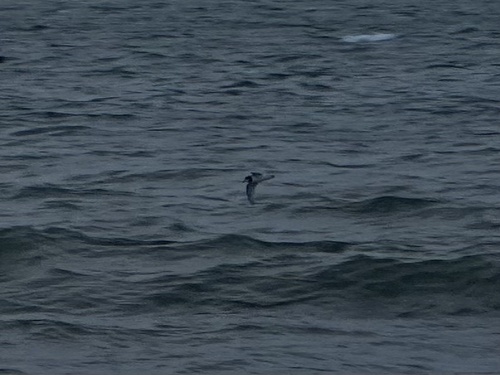 Blauwe stormvogel
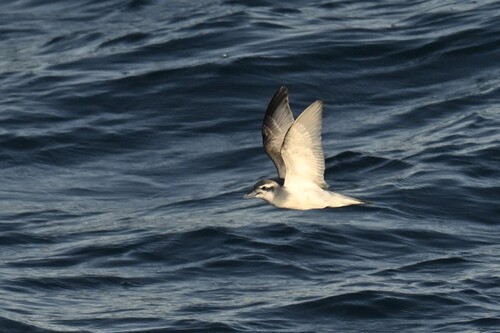 Antarctische prion
Kort gezegd
Het meest betrouwbare veldkenmerk om Blauwe stormvogel van Antarctische prion te scheiden is het koppatroon: Blauwe stormvogel heeft een opvallende zwarte kap met witte wangen, terwijl Antarctische prion een bleke gezicht heeft met een witte wenkbrauw en geen sterke kap heeft. Beide soorten hebben een donkere 'M' over de bovenvleugel, maar de kap en de witgetipte vierkante staart van Blauwe stormvogel zijn kenmerkend in de vlucht of in rust. Structureel is Blauwe stormvogel robuuster met een zwaardere zwarte snavel, terwijl Antarctische prion lichter is en een blauw-grijze snavel heeft. Beide zijn vergelijkbaar in algemene kleur en vliegstijl, dus aandacht voor het kop- en staartpatroon is essentieel, vooral op zee.
Herkenningstips
- Koppatroon is het meest betrouwbare kenmerk: Blauwe stormvogel toont altijd een gedurfde zwarte kap die contrasteert met witte wangen; Antarctische prion heeft geen kap en heeft in plaats daarvan een bleke gezicht met een witte wenkbrauw. Dit is zichtbaar bij zowel zittende als vliegende vogels.
- Staartpatroon: In de vlucht heeft Blauwe stormvogel een vierkante staart met een duidelijke witte punt, terwijl de staart van Antarctische prion wigvormig is met een zwarte punt. Let op de witte punt wanneer de vogel zijn staart opent of spreidt.
- Snavel kleur en vorm: De snavel van Blauwe stormvogel is slank en zwart; die van Antarctische prion is blauw-grijs en kan iets korter lijken. Dit is subtiel maar kan van dichtbij of op foto's worden gezien.
- Gezichtcontrast: De witte wangen van Blauwe stormvogel vallen op tegen zijn donkere kap, vooral in zijaanzichten. Het gezicht van Antarctische prion is meer uniform bleek met een witte supercilium (wenkbrauw) maar zonder scherp contrast.
- Bovenvleugelpatroon is NIET diagnostisch: Beide tonen een donkere 'M' over de bovenvleugel van punt tot punt, dus vertrouw niet alleen op dit kenmerk.
- Onderdeel kleur: Beide zijn wit aan de onderzijde, maar Blauwe stormvogel kan donkere vlekken aan de zijkanten van de nek vertonen. Dit is subtiel en niet altijd zichtbaar.
- Voetkleur: Antarctische prion heeft blauwe voeten, maar deze zijn zelden zichtbaar tenzij de vogel heel dichtbij is of landt.
- Grootte en structuur: Blauwe stormvogel is zwaarder en kan robuuster lijken, maar de grootte-overlap is significant en niet betrouwbaar tenzij de vogels naast elkaar staan.
- Snavelstructuur: De snavel van Blauwe stormvogel is helemaal zwart en slank, terwijl die van Antarctische prion blauw-grijs is. De snavelkleur is het beste te zien in goed licht of op foto's.
- Staartvorm in de vlucht: De staart van Blauwe stormvogel is vierkant met een witte punt; die van Antarctische prion is wigvormig met een zwarte punt. Let op de staartvorm en kleur wanneer vogels draaien of landen.
- Jizz in de vlucht: Blauwe stormvogel kan solider en doelgerichter lijken; Antarctische prion is lichter en kan luchtiger lijken. Dit is subtiel en subjectief.
- Habitat en verspreiding: Beide komen samen voor op zee; het broedgebied is geen veldkenmerk tenzij op land.
- Pluimage seizoensgebondenheid: Er zijn geen significante seizoensgebonden of geslachtsgebonden pluimageverschillen opgemerkt voor beide soorten; kenmerken zijn het hele jaar door betrouwbaar.
- Stem: Er zijn geen veld-diagnostische vocalisaties beschreven voor scheiding.
- Veelvoorkomende valkuilen: Het gedeelde 'M'-patroon op de bovenvleugel is een klassieke bron van verwarring; controleer altijd het kop- en staartpatroon voordat je de identificatie concludeert.
Grootte
Blauwe stormvogel is merkbaar zwaarder (210 g vs. 156 g) en kan robuuster lijken in directe vergelijking, hoewel beide dicht bij elkaar in lengte zijn (26–32 cm voor Blauwe stormvogel, 27 cm voor Antarctische prion) en vleugelspanwijdte (Blauwe stormvogel: 62–71 cm; Antarctische prion: 61–66 cm). In het veld is de grootte alleen subtiel, maar Blauwe stormvogel kan iets steviger lijken, vooral in de vlucht of wanneer ze naast elkaar worden gezien met prions.
Verenkleed
- Jong/immatuur/volwassen vlucht (bovenvleugel): Beide soorten tonen een donker 'M'-patroon over de bovenvleugel, waardoor dit kenmerk op geen enkele leeftijd diagnostisch is tussen hen.
- Koppatroon: Blauwe stormvogel van alle leeftijden heeft een gedurfde zwarte kap en witte wangen, wat een scherp contrast creëert. Antarctische prion heeft geen kap, maar toont in plaats daarvan een bleke blauw-grijze kop met een witte wenkbrauw en geen sterk wangcontrast.
- Staart: Blauwe stormvogel heeft een vierkante staart met een witte punt, terwijl Antarctische prion een grijze wigvormige staart heeft met een zwarte punt.
- Snavel kleur: Blauwe stormvogel heeft een slanke zwarte snavel; Antarctische prion heeft een blauw-grijze snavel.
- Onderdelen: Beide zijn wit aan de onderzijde met wat donker aan de zijkanten van de nek voor Blauwe stormvogel, maar dit is subtiel op zee.
- Voeten: Alleen Antarctische prion heeft blauwe voeten, maar dit is zelden zichtbaar in het veld.
Gedrag
Beide soorten zijn pelagisch, brengen het grootste deel van hun leven op zee door en komen alleen aan land om te broeden. Hun vlucht is vergelijkbaar: luchtig, laag over de golven glijdend, met snelle vleugelslagen afgewisseld met glijvluchten. Blauwe stormvogel kan iets robuuster en doelgerichter lijken in de vlucht, terwijl Antarctische prion fragieler kan lijken. Voedingsgedrag is niet diagnostisch tussen deze twee in het veld.
Habitat
Beide soorten bewonen de Zuidelijke Oceaan en broeden op subantartische eilanden, vaak nabij de Antarctische Convergentie. Blauwe stormvogel broedt op minder, zuidelijkere locaties, maar op zee overlappen hun verspreidingsgebieden zich uitgebreid. Habitat is geen betrouwbare scheiding voor veldidentificatie tenzij broedkolonies bekend zijn.
Blauwe stormvogel · Antarctische prion · Mijn lastige vogels