

Blue Petrel vs Antarctic Prion
Halobaena caerulea contro Pachyptila desolata
Fai un quiz con Blue Petrel e Antarctic Prion
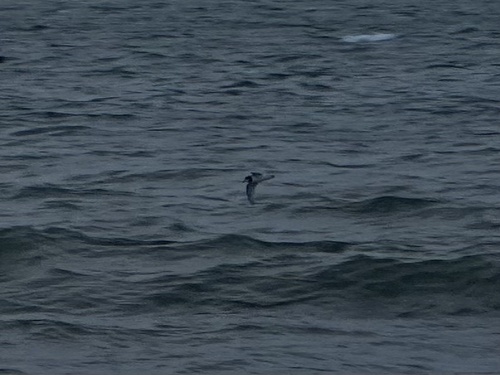 Blue Petrel
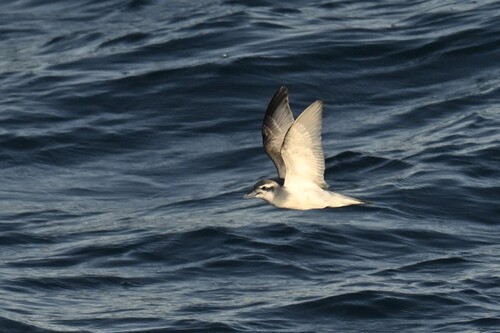 Antarctic Prion
In breve
Il segno di campo più affidabile per separare il Blue Petrel dall'Antarctic Prion è il motivo della testa: il Blue Petrel mostra un distintivo cappello nero con guance bianche, mentre l'Antarctic Prion ha un volto pallido con un sopracciglio bianco e manca di un cappello forte. Entrambe le specie presentano una 'M' scura attraverso l'ala superiore, ma il cappello del Blue Petrel e la coda quadrata con punta bianca sono distintivi in volo o a riposo. Strutturalmente, il Blue Petrel è più robusto con un becco nero più pesante, mentre l'Antarctic Prion è più leggero e ha un becco blu-grigio. Entrambi sono simili nella colorazione generale e nello stile di volo, quindi è essenziale prestare attenzione al motivo della testa e della coda, specialmente in mare.
Consigli di identificazione
- Il motivo della testa è il segno più affidabile: Il Blue Petrel mostra sempre un cappello nero audace che contrasta con le guance bianche; l'Antarctic Prion manca di un cappello e ha invece un volto pallido con un sopracciglio bianco. Questo è visibile sia negli uccelli posati che in volo.
- Motivo della coda: In volo, il Blue Petrel ha una coda quadrata con una chiara punta bianca, mentre la coda dell'Antarctic Prion è a forma di cuneo con una punta nera. Cerca la punta bianca quando l'uccello apre o allarga la coda.
- Colore e forma del becco: Il becco del Blue Petrel è snello e nero; quello dell'Antarctic Prion è blu-grigio e può apparire leggermente più tozzo. Questo è sottile ma può essere visto da vicino o in foto.
- Contrasto facciale: Le guance bianche del Blue Petrel si distinguono contro il suo cappello scuro, specialmente nelle viste laterali. Il volto dell'Antarctic Prion è più uniformemente pallido con un supercilium bianco (sopracciglio) ma senza un forte contrasto.
- Il motivo dell'ala superiore NON è diagnostico: Entrambi mostrano una 'M' scura attraverso l'ala superiore da punta a punta, quindi non fare affidamento su questo segno da solo.
- Colore della parte inferiore: Entrambi sono bianchi sotto, ma il Blue Petrel può mostrare macchie scure ai lati del collo. Questo è sottile e non sempre visibile.
- Colore dei piedi: L'Antarctic Prion ha piedi blu, ma questi sono raramente visti a meno che l'uccello non sia molto vicino o stia atterrando.
- Dimensioni e struttura: Il Blue Petrel è più pesante e può sembrare più robusto, ma la sovrapposizione delle dimensioni è significativa e non affidabile a meno che gli uccelli non siano affiancati.
- Struttura del becco: Il becco del Blue Petrel è completamente nero e snello, mentre quello dell'Antarctic Prion è blu-grigio. Il colore del becco è meglio visibile in buona luce o in foto.
- Forma della coda in volo: La coda del Blue Petrel è quadrata con una punta bianca; quella dell'Antarctic Prion è a forma di cuneo con una punta nera. Fai attenzione alla forma e al colore della coda quando gli uccelli virano o atterrano.
- Jizz in volo: Il Blue Petrel può apparire più solido e determinato; l'Antarctic Prion è più leggero e può sembrare più galleggiante. Questo è sottile e soggettivo.
- Habitat e distribuzione: Entrambi si trovano insieme in mare; l'area di nidificazione non è un segno di campo a meno che non si sia a terra.
- Stagionalità del piumaggio: Non sono state notate differenze significative nel piumaggio stagionale o basate sul sesso per nessuna delle due specie; i segni sono affidabili tutto l'anno.
- Voce: Non sono state descritte vocalizzazioni diagnostiche da campo per la separazione.
- Trappole comuni: Il motivo condiviso 'M' sull'ala superiore è una classica fonte di confusione; controlla sempre il motivo della testa e della coda prima di concludere l'identificazione.
Taglia
Il Blue Petrel è notevolmente più pesante (210 g contro 156 g) e può apparire più robusto in un confronto diretto, anche se entrambi sono simili in lunghezza (26–32 cm per il Blue Petrel, 27 cm per l'Antarctic Prion) e apertura alare (Blue Petrel: 62–71 cm; Antarctic Prion: 61–66 cm). Sul campo, la dimensione da sola è sottile, ma il Blue Petrel può sembrare leggermente più massiccio, specialmente in volo o quando visto affiancato agli prioni.
Piumaggio
- Giovanile/immaturo/adulto in volo (ala superiore): Entrambe le specie mostrano un motivo 'M' scuro attraverso l'ala superiore, rendendo questa caratteristica non diagnostica tra di loro a qualsiasi età.
- Motivo della testa: Il Blue Petrel di tutte le età ha un cappello nero audace e guance bianche, creando un forte contrasto. L'Antarctic Prion manca di un cappello, mostrando invece una testa blu-grigia pallida con un sopracciglio bianco e senza un forte contrasto delle guance.
- Coda: Il Blue Petrel ha una coda quadrata con una punta bianca, mentre l'Antarctic Prion ha una coda grigia a forma di cuneo con una punta nera.
- Colore del becco: Il Blue Petrel ha un becco snello e nero; l'Antarctic Prion ha un becco blu-grigio.
- Parti inferiori: Entrambi sono bianchi sotto con alcune macchie scure ai lati del collo per il Blue Petrel, ma questo è sottile in mare.
- Piedi: Solo l'Antarctic Prion è noto per avere piedi blu, ma questo è raramente visibile sul campo.
Comportamento
Entrambe le specie sono pelagiche, trascorrendo la maggior parte della loro vita in mare e venendo a terra solo per nidificare. Il loro volo è simile: galleggiante, planando basso sulle onde, con battiti d'ala rapidi intervallati da planate. Il Blue Petrel può apparire leggermente più robusto e determinato in volo, mentre l'Antarctic Prion può sembrare più delicato. Il comportamento alimentare non è diagnostico tra questi due sul campo.
Habitat
Entrambe le specie abitano l'Oceano Meridionale e nidificano su isole subantartiche, spesso vicino alla Convergenza Antartica. Il Blue Petrel nidifica in siti meno numerosi e più meridionali, ma in mare le loro aree di distribuzione si sovrappongono ampiamente. L'habitat non è un separatore affidabile per l'identificazione sul campo a meno che le colonie di nidificazione non siano conosciute.