

Zwartbuikfluiteend vs Indische gans
Dendrocygna autumnalis versus Anser indicus
Speel een quiz met Zwartbuikfluiteend en Indische gans
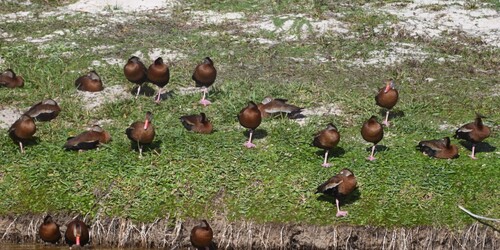 Zwartbuikfluiteend
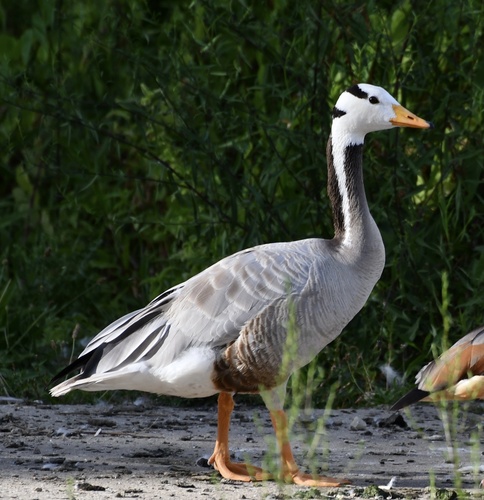 Indische gans
Kort gezegd
Het meest betrouwbare veldkenmerk om Zwartbuikfluiteend van Indische gans te scheiden, is het uitgebreide wit in de vleugels van de fluiteend, zichtbaar in de vlucht als een gedurfde witte panel gevormd door de secundair, contrasterend met zwarte primair - dit is uniek onder fluiteenden en afwezig in Indische gans. In alle verenkleed toont Zwartbuikfluiteend een opvallende combinatie van een lange roze snavel, een grijs gezicht en een kastanjebruin lichaam met een zwarte buik en staart, terwijl Indische gans een veel grotere, bleekgrijze gans is met een zware oranje of gele snavel en twee gedurfde zwarte strepen over het witte hoofd. Juveniele Zwartbuikfluiteenden hebben een grijze snavel en minder contrast, maar tonen nog steeds het witte vleugelpaneel in de vlucht, terwijl juveniele Indische ganzen op volwassenen lijken, maar met doffere hoofdmarkeringen. De structuur is ook een aanwijzing: Indische gans is veel robuuster, met een klassiek gansprofiel, terwijl Zwartbuikfluiteend rechtop en slanker is. Beide soorten zijn te zien in open wetlands, maar hun verspreidingsgebieden overlappen alleen als dwaalgasten of in gevangenschap.
Herkenningstips
- Wit vleugelpaneel in vlucht (alle leeftijden): Zwartbuikfluiteend toont een gedurfde witte vlek op de bovenvleugel (secundair) omrand door zwarte primair, zichtbaar van boven en onder in de vlucht; Indische gans toont deze markering nooit.
- Hoofdpatroon: Indische gans heeft een wit hoofd met twee gedurfde zwarte strepen over de kroon en nek (volwassenen en de meeste juvenielen); Zwartbuikfluiteend heeft een bleekgrijs gezicht en kroon, zonder zwarte strepen, en een dunne witte oogring.
- Snavel kleur en vorm: Zwartbuikfluiteend heeft een lange, slanke, helderroze snavel (grijs bij juvenielen); Indische gans heeft een zware, korte, oranje of gele snavel.
- Lichaams- en buikkleur: Zwartbuikfluiteend heeft een rijke kastanjebruine lichaam, zwarte buik en staart; Indische gans is bleekgrijs overall met blekere onderdelen en geen zwarte buik.
- Pootkleur en lengte: Fluiteend heeft lange, rozeachtige poten, vaak gezien rechtopstaand of zelfs zittend; Indische gans heeft kortere, rozeachtige poten, zelden zittend.
- Algemene grootte: Indische gans is bijna drie keer zwaarder en veel robuuster dan Zwartbuikfluiteend; alleen de grootte kan hen scheiden als ze samen worden gezien.
- Houding en gedrag: Zwartbuikfluiteend staat vaak rechtop, soms in bomen of op palen; Indische gans is altijd horizontaal, graast op de grond, nooit zittend.
- Juveniele verwarring: Juveniele Zwartbuikfluiteenden hebben een grijze snavel en minder contrast op de buik, maar tonen nog steeds het witte vleugelpaneel in de vlucht; juveniele Indische ganzen zijn als volwassenen maar met doffere hoofdstrepen - nooit een wit vleugelpaneel.
- Staartpatroon: Zwartbuikfluiteend heeft een zwarte staart die contrasteert met kastanjebruine rug; Indische gans heeft een bleke staart die overeenkomt met de rug.
- Stem: Zwartbuikfluiteend geeft hoge fluitgeluiden; Indische gans geeft diepere honken of gabbelende roepen.
- Habitat aanwijzingen: In de Amerika's is Indische gans bijna altijd een ontsnapte; in Azië is Zwartbuikfluiteend extreem zeldzaam. Context kan helpen, maar wees voorzichtig met gevangen vogels.
- Groepsgrootte: Indische gans is meestal in grote groepen, vooral in de winter; Zwartbuikfluiteend is vaak in paren of kleine groepen.
- Vluchtstijl: Fluiteend heeft een luchtige, directe vlucht met duidelijk wit in de vleugels; Indische gans heeft constante, krachtige vleugelslagen en uniforme grijze vleugels.
- Oogring: Fluiteend heeft een dunne witte oogring; Indische gans heeft dit niet.
- Nestgedrag: Fluiteend kan worden gezien nabij nestkasten of boomholtes; Indische gans nestelt op de grond.
Grootte
Indische gans is dramatisch groter en zwaarder dan Zwartbuikfluiteend. Indische gans weegt gemiddeld ongeveer 2367,5 g, vergeleken met 831,0 g voor de fluiteend - bijna drie keer het gewicht. In het veld verschijnt Indische gans als een grote, robuuste gans met een dikke nek en zware snavel, terwijl Zwartbuikfluiteend van gemiddelde grootte, slank en langbenig is, met een veel lichtere bouw. Zelfs van een afstand is het formaatverschil opvallend wanneer ze samen worden gezien.
Verenkleed
Juveniele en volwassen Zwartbuikfluiteenden tonen beide een gedurfde witte vleugelpaneel in de vlucht, gecreëerd door de witte secundair die contrasteert met zwarte primair en bruine dekkleden; deze markering is zichtbaar van boven en onder en is uniek onder fluiteenden, aanwezig op alle leeftijden. Op de grond is het witte vleugelpaneel minder duidelijk, maar de combinatie van een bleekgrijs gezicht, kastanjebruin lichaam, zwarte buik en lange roze snavel is kenmerkend. Juvenielen hebben een grijze snavel en minder contrast op de buik, maar tonen nog steeds het wit in de vleugel. Indische gans, in alle leeftijden, mist elk wit vleugelpaneel; in plaats daarvan is het een bleekgrijze gans met een wit gezicht en twee gedurfde zwarte strepen over de kroon en nek, een zware oranje of gele snavel, en rozeachtige poten. De onderdelen zijn bleek, en de rug is lichtgrijs. Juvenielen lijken op volwassenen maar met doffere of minder duidelijke hoofdstrepen. De zwarte buik en staart van de fluiteend worden nooit geëvenaard door de gans, die uniform bleke onderdelen heeft.
Gedrag
Zwartbuikfluiteend wordt vaak gezien rechtop zittend op stammen, palen of zelfs in bomen, dankzij zijn lange poten en meer verticale houding. Het staat ook bekend om sterke paarbindingen en kan worden gezien in hechte paren of kleine familiegroepen. In de vlucht heeft het een luchtige, directe stijl en roept vaak met een hoge fluittoon. Indische gans daarentegen is een klassieke grazende gans, meestal gezien terwijl hij op de grond loopt in groepen, zich voedend met gras of gewassen, en zelden zittend. Zijn vlucht is krachtig en direct, met constante vleugelslagen, en het is beroemd om langeafstandsmigratie op grote hoogte. De gans is waarschijnlijker te zien in grote groepen, vooral buiten het broedseizoen.
Habitat
Zwartbuikfluiteend geeft de voorkeur aan zoetwaterwetlands, vijvers en meren, vaak met opkomende vegetatie, en is waarschijnlijker te zien in het zuiden van Noord-Amerika, Midden- en Zuid-Amerika. Het is een holnestelaar en kan worden gevonden zittend in bomen of op structuren nabij water. Indische gans broedt op grote hoogte in meren in Centraal-Azië en overwintert in laaglandwetlands en landbouwvelden in Zuid-Azië. Het nestelt op de grond en wordt zelden in bomen aangetroffen. In Noord-Amerika wordt Indische gans alleen gezien als een ontsnapte uit gevangenschap of in collecties, terwijl Zwartbuikfluiteend een zeldzame dwaalgast is in Eurazië.
Geluid
Zwartbuikfluiteend is genoemd naar zijn kenmerkende, hoge fluitgeluiden, die vaak worden gehoord in de vlucht of wanneer hij is geschrokken. Indische gans heeft typische gansachtige honken of gabbelende roepen, veel dieper en minder muzikaal dan de fluiteend. Het verschil in stem is duidelijk als je het hoort.