

Motmot

アカハシリュウキュウガモ 対 インドガン

Dendrocygna autumnalis 対 Anser indicus

アカハシリュウキュウガモとインドガンのクイズ
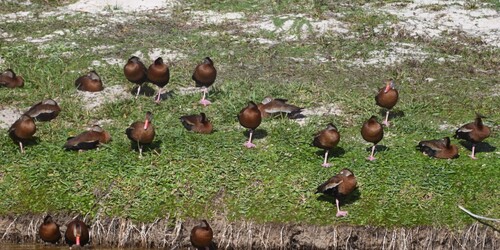
アカハシリュウキュウガモ (Dendrocygna autumnalis) アカハシリュウキュウガモ
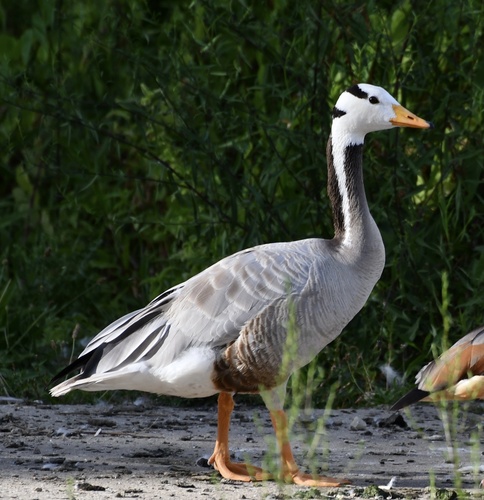
インドガン (Anser indicus) インドガン

メディア

読み込み中…

要点

ブラックベルリュウキュウガモとインドガンを区別する最も信頼できるフィールドマークは、リュウキュウガモの翼に広がる白色であり、飛行中にセカンダリーによって形成された大胆な白いパネルとして見ることができ、黒いプライマリーと対照的です—これはリュウキュウガモの中でユニークであり、インドガンには存在しません。すべての羽色において、ブラックベルリュウキュウガモは長いピンク色のくちばし、灰色の顔、栗色の体に黒い腹部と尾を持つ印象的な組み合わせを示しますが、インドガンははるかに大きく、淡い灰色のガンで、重いオレンジまたは黄色のくちばしと白い頭に横切る2本の太い黒いバーを持っています。幼鳥のブラックベルリュウキュウガモは灰色のくちばしを持ち、コントラストが少ないですが、飛行中には依然として白い翼のパネルを示します。一方、インドガンの幼鳥は成鳥に似ていますが、頭の模様が鈍いです。構造も手がかりになります:インドガンははるかにがっしりしており、典型的なガンのプロファイルを持っていますが、ブラックベルリュウキュウガモはより直立してスリムです。両種は開けた湿地生息地で見ることができますが、その範囲は漂流者または飼育下でのみ重なります。

識別のコツ

  1. 飛行中の白い翼のパネル(すべての年齢): ブラックベルリュウキュウガモは、黒いプライマリーに囲まれた上翼(セカンダリー)の大胆な白いパッチを示し、飛行中に上からも下からも見ることができます;インドガンはこのマークを示しません。
  2. 頭の模様: インドガンは白い頭を持ち、頭頂と後頭部に2本の太い黒いバーがあります(成鳥とほとんどの幼鳥);ブラックベルリュウキュウガモは淡い灰色の顔と頭を持ち、黒いバーはなく、薄い白いアイリングがあります。
  3. くちばしの色と形: ブラックベルリュウキュウガモは長くて細い明るいピンクのくちばしを持っています(幼鳥は灰色);インドガンは重くて短いオレンジまたは黄色のくちばしを持っています。
  4. 体と腹部の色: ブラックベルリュウキュウガモは豊かな栗色の体、黒い腹部と尾を持っています;インドガンは全体的に淡い灰色で、下部はさらに淡く、黒い腹部はありません。
  5. 足の色と長さ: リュウキュウガモは長いピンクがかった足を持ち、しばしば直立しているか、さらには止まっているのが見られます;インドガンは短いピンクがかった足を持ち、めったに止まりません。
  6. 全体的なサイズ: インドガンはブラックベルリュウキュウガモの約3倍の重さで、はるかにがっしりしています;サイズだけで彼らを区別することができます。
  7. 姿勢と行動: ブラックベルリュウキュウガモはしばしば直立して立ち、時には木や柱の上にいます;インドガンは常に水平で、地面で草を食べ、決して止まりません。
  8. 幼鳥の混乱: 幼鳥のブラックベルリュウキュウガモは灰色のくちばしを持ち、腹部のコントラストが少ないですが、飛行中には依然として白い翼のパッチを示します;幼鳥のインドガンは成鳥に似ていますが、頭のバーが鈍い—白い翼のパネルは決してありません。
  9. 尾の模様: ブラックベルリュウキュウガモは栗色の背中と対照的な黒い尾を持っています;インドガンは背中に合わせた淡い尾を持っています。
  10. 声: ブラックベルリュウキュウガモは高音のホイッスルを出します;インドガンはより深いホンクやガブリングの呼び声を出します。
  11. 生息地の手がかり: アメリカでは、インドガンはほぼ常に逃げた個体です;アジアでは、ブラックベルリュウキュウガモは非常に珍しいです。文脈が助けになることがありますが、飼育下の鳥には注意してください。
  12. 群れのサイズ: インドガンは通常、大きな群れで見られ、特に冬に;ブラックベルリュウキュウガモはしばしばペアまたは小さなグループで見られます。
  13. 飛行スタイル: リュウキュウガモは翼に明らかな白を持つ浮遊感のある直接的な飛行をします;インドガンは安定した力強い翼の打撃と均一な灰色の翼を持っています。
  14. アイリング: リュウキュウガモは薄い白いアイリングを持っています;インドガンは持っていません。
  15. 巣作りの行動: リュウキュウガモは巣箱や木の空洞の近くで見られることがあります;インドガンは地面に巣を作ります。

大きさ

インドガンはブラックベルリュウキュウガモよりも劇的に大きく、重いです。インドガンの平均体重は約2367.5gで、リュウキュウガモは831.0g—ほぼ3倍の重さです。フィールドでは、インドガンは太い首と重いくちばしを持つ大きくて頑丈なガンとして現れ、ブラックベルリュウキュウガモは中型でスリム、長い足を持ち、はるかに軽い体格です。距離があっても、サイズの違いは一緒に見たときに際立っています。

羽色

幼鳥と成鳥のブラックベルリュウキュウガモは、飛行中に大胆な白い翼のパネルを示し、これは白いセカンダリーが黒いプライマリーと茶色のカバーと対照的に作られています;このマークは上からも下からも見ることができ、すべての年齢でユニークです。地面では白い翼のパネルはあまり目立ちませんが、淡い灰色の顔、栗色の体、黒い腹部、長いピンクのくちばしの組み合わせは特徴的です。幼鳥は灰色のくちばしを持ち、腹部のコントラストが少ないですが、依然として翼に白を示します。インドガンはすべての年齢で白い翼のパネルが欠けており、代わりに白い顔と頭頂と後頭部に2本の太い黒いバーを持つ淡い灰色のガンで、重いオレンジまたは黄色のくちばしとピンクがかった足を持っています。下部は淡く、背中は淡い灰色です。幼鳥は成鳥に似ていますが、頭のバーが鈍いか、あまり目立ちません。リュウキュウガモの黒い腹部と尾は、均一に淡い下部を持つガンには決して匹敵しません。

行動

ブラックベルリュウキュウガモは、長い足とより垂直な姿勢のおかげで、丸太や柱、さらには木の上に直立して止まっているのがよく見られます。また、強いペアボンドで知られ、密接なペアや小さな家族グループで見られることがあります。飛行中は浮遊感のある直接的なスタイルを持ち、高音のホイッスルでしばしば呼びかけます。対照的に、インドガンは典型的な草食性のガンで、通常は群れで地面を歩き、草や作物を食べ、めったに止まりません。その飛行は力強く直接的で、安定した翼の打撃を持ち、長距離の高高度移動で有名です。このガンは、特に繁殖シーズン外では大きな群れで見られる可能性が高いです。

生息環境

ブラックベルリュウキュウガモは淡水湿地、池、湖を好み、しばしば出現する植生があり、南北アメリカの南部で見られる可能性が高いです。巣穴を作る鳥で、水の近くの木や構造物に止まっているのが見られることがあります。インドガンは中央アジアの高地湖で繁殖し、南アジアの低地湿地や農地で越冬します。地面に巣を作り、木の中で見られることはめったにありません。北アメリカでは、インドガンは飼育下からの逃げた個体やコレクションでのみ見られ、ブラックベルリュウキュウガモはユーラシアで珍しい漂流者です。

声

ブラックベルリュウキュウガモは、その特徴的な高音のホイッスル呼び声にちなんで名付けられ、飛行中や警戒時によく聞かれます。インドガンは典型的なガンのようなホンクやガブリングの呼び声を持ち、ブラックベルリュウキュウガモよりもはるかに深く、音楽的ではありません。声の違いは、聞いたときに明らかです。

より良い説明を送る

比較と同じ項目を使ってください。文章はすぐに公開されます。

The most reliable field mark to separate Black-bellied Whistling-Duck from Bar-headed Goose is the extensive white in the wings of the whistling-duck, visible in flight as a bold white panel formed by the secondaries, contrasting with black primaries—this is unique among whistling ducks and absent in Bar-headed Goose. In all plumages, Black-bellied Whistling-Duck shows a striking combination of a long pink bill, gray face, and chestnut body with a black belly and tail, while Bar-headed Goose is a much larger, pale gray goose with a heavy orange or yellow bill and two bold black bars across the white head. Juvenile Black-bellied Whistling-Ducks have a gray bill and less contrast but still show the white wing panel in flight, whereas Bar-headed Goose juveniles resemble adults but with duller head markings. Structure is also a giveaway: Bar-headed Goose is much bulkier, with a classic goose profile, while Black-bellied Whistling-Duck is more upright and slim. Both species can be seen in open wetland habitats, but their ranges only overlap as vagrants or in captivity.

  1. White wing panel in flight (all ages): Black-bellied Whistling-Duck shows a bold white patch on the upperwing (secondaries) bordered by black primaries, visible from above and below in flight; Bar-headed Goose never shows this mark.
  2. Head pattern: Bar-headed Goose has a white head with two bold black bars across the crown and nape (adults and most juveniles); Black-bellied Whistling-Duck has a pale gray face and crown, with no black bars, and a thin white eye-ring.
  3. Bill color and shape: Black-bellied Whistling-Duck has a long, slender, bright pink bill (gray in juveniles); Bar-headed Goose has a heavy, short, orange or yellow bill.
  4. Body and belly color: Black-bellied Whistling-Duck has a rich chestnut body, black belly and tail; Bar-headed Goose is pale gray overall with paler underparts and no black belly.
  5. Leg color and length: Whistling-duck has long, pinkish legs, often seen standing upright or even perching; Bar-headed Goose has shorter, pinkish legs, rarely perches.
  6. Overall size: Bar-headed Goose is nearly three times heavier and much bulkier than Black-bellied Whistling-Duck; size alone can separate them if seen together.
  7. Posture and behavior: Black-bellied Whistling-Duck often stands upright, sometimes in trees or on posts; Bar-headed Goose is always horizontal, grazing on the ground, never perching.
  8. Juvenile confusion: Juvenile Black-bellied Whistling-Ducks have a gray bill and less contrast on the belly, but still show the white wing patch in flight; juvenile Bar-headed Geese are like adults but with duller head bars—never a white wing panel.
  9. Tail pattern: Black-bellied Whistling-Duck has a black tail contrasting with chestnut back; Bar-headed Goose has a pale tail matching the back.
  10. Voice: Black-bellied Whistling-Duck gives high-pitched whistles; Bar-headed Goose gives deeper honks or gabbling calls.
  11. Habitat clues: In the Americas, Bar-headed Goose is almost always an escapee; in Asia, Black-bellied Whistling-Duck is extremely rare. Context can help, but beware of captive birds.
  12. Group size: Bar-headed Goose is usually in large flocks, especially in winter; Black-bellied Whistling-Duck is often in pairs or small groups.
  13. Flight style: Whistling-duck has a buoyant, direct flight with obvious white in the wings; Bar-headed Goose has steady, powerful wingbeats and uniform gray wings.
  14. Eye-ring: Whistling-duck has a thin white eye-ring; Bar-headed Goose does not.
  15. Nesting behavior: Whistling-duck may be seen near nest boxes or tree cavities; Bar-headed Goose nests on the ground.

Bar-headed Goose is dramatically larger and heavier than Black-bellied Whistling-Duck. Bar-headed Goose averages about 2367.5 g in body mass, compared to 831.0 g for the whistling-duck—nearly three times the weight. In the field, Bar-headed Goose appears as a large, robust goose with a thick neck and heavy bill, while Black-bellied Whistling-Duck is mid-sized, slim, and long-legged, with a much lighter build. Even at a distance, the size difference is striking when seen together.

Juvenile and adult Black-bellied Whistling-Ducks both show a bold white wing panel in flight, created by the white secondaries contrasting with black primaries and brown coverts; this mark is visible from above and below and is unique among whistling ducks, present at all ages. On the ground, the white wing panel is less obvious, but the combination of a pale gray face, chestnut body, black belly, and long pink bill is distinctive. Juveniles have a gray bill and less contrast on the belly, but still show the white in the wing. Bar-headed Goose, in all ages, lacks any white wing panel; instead, it is a pale gray goose with a white face and two bold black bars across the crown and nape, a heavy orange or yellow bill, and pinkish legs. The underparts are pale, and the back is light gray. Juveniles are similar to adults but with duller or less distinct head bars. The black belly and tail of the whistling-duck are never matched by the goose, which has uniformly pale underparts.

Black-bellied Whistling-Duck is often seen perched upright on logs, posts, or even in trees, thanks to its long legs and more vertical stance. It is also known for strong pair bonds and may be seen in tight pairs or small family groups. In flight, it has a buoyant, direct style and often calls with a high-pitched whistle. Bar-headed Goose, by contrast, is a classic grazing goose, usually seen walking on the ground in flocks, feeding on grasses or crops, and rarely perching. Its flight is powerful and direct, with steady wingbeats, and it is famous for long-distance, high-altitude migration. The goose is more likely to be seen in large flocks, especially outside the breeding season.

Black-bellied Whistling-Duck favors freshwater wetlands, ponds, and lakes, often with emergent vegetation, and is more likely to be seen in southern North America, Central, and South America. It is a cavity nester and may be found perched in trees or on structures near water. Bar-headed Goose breeds at high-altitude lakes in Central Asia and winters in lowland wetlands and agricultural fields in South Asia. It nests on the ground and is rarely found in trees. In North America, Bar-headed Goose is only seen as an escapee from captivity or in collections, while Black-bellied Whistling-Duck is a rare vagrant in Eurasia.

Black-bellied Whistling-Duck is named for its distinctive, high-pitched whistling calls, which are often heard in flight or when alarmed. Bar-headed Goose has typical goose-like honking or gabbling calls, much deeper and less musical than the whistling-duck. The difference in voice is obvious if heard.

変更を破棄しますか?

保存していない編集があります。今離れると失われます。

アカハシリュウキュウガモ · インドガン · 苦手な鳥