

Zwart-witte buulbuul vs Zwartkopbuulbuul
Microtarsus melanoleucos versus Microtarsus melanocephalos
Speel een quiz met Zwart-witte buulbuul en Zwartkopbuulbuul
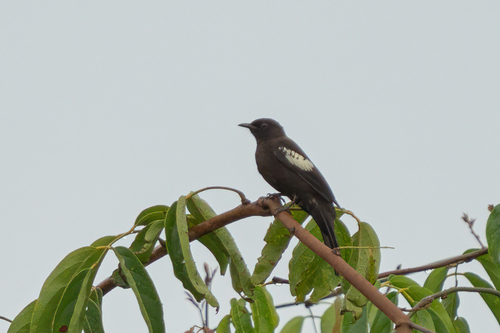 Zwart-witte buulbuul
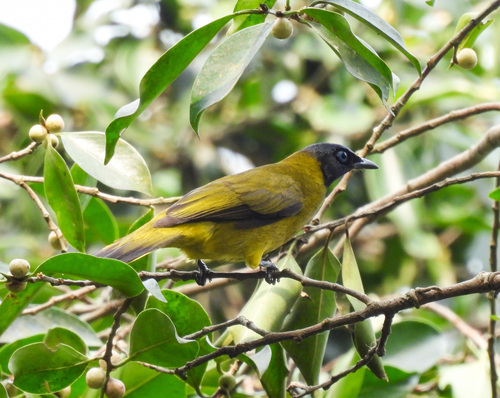 Zwartkopbuulbuul
Kort gezegd
De meest betrouwbare manier om Zwart-witte buulbuul van Zwartkopbuulbuul te scheiden is op basis van de algehele verenkleed: Zwart-witte buulbuul heeft een gedurfde zwart-witte tekening, terwijl Zwartkopbuulbuul voornamelijk olijfgeel is met een glanzend zwart hoofd en een brede gele punt aan de staart. Juvenielen en onvolwassenen van Zwartkopbuulbuul kunnen het volledige blauwe oog en glanzende hoofd missen, maar tonen nooit het opvallende zwart-witte contrast van Zwart-witte buulbuul. Beide soorten zijn vergelijkbaar in grootte en komen voor in overlappende boshabitats in Zuidoost-Azië, dus zorgvuldige aandacht voor het verenkleed is essentieel. Structurele verschillen zijn subtiel, en alleen het habitat is niet diagnostisch.
Herkenningstips
- Algehele verenkleed is de snelste controle: Zwart-witte buulbuul is gedurfd zwart en wit, met een scherp contrast tussen het zwarte hoofd/bovenste delen en de witte onderdelen. Zwartkopbuulbuul is voornamelijk olijfgeel met een glanzend zwart hoofd en een brede gele punt aan de staart.
- Hoofdpatroon: Zwart-witte buulbuul heeft een zwart hoofd dat overgaat in zwarte bovenste delen, afgezet door wit eronder. Zwartkopbuulbuul heeft een glanzend blauwachtig zwart hoofd, maar de rest van het lichaam is olijfgeel of grijs (in zeldzame morfen), nooit wit.
- Staartpunt: Let op de brede gele punt aan de staart van Zwartkopbuulbuul—dit is aanwezig in alle leeftijden en ontbreekt bij Zwart-witte buulbuul.
- Lichaamskleur: Zwart-witte buulbuul toont nooit olijfgele of grijze tinten; zijn kleur is altijd scherp zwart en wit. Zwartkopbuulbuul toont nooit het zwart-witte contrast, zelfs niet bij juvenielen of zeldzame morfen.
- Verwarring bij juvenielen/onvolwassenen: Jonge Zwartkopbuulbuuls kunnen het blauwe oog en glanzende hoofd van de volwassene missen, maar hun lichaam is nog steeds olijfgeel of grijs, niet zwart-wit. Juveniele Zwart-witte buulbuul is nog steeds zwart en wit.
- Vluchtzicht: Er zijn geen kenmerkende vleugel- of bovenvleugelpatronen beschreven voor beide soorten, dus vertrouw op de algehele lichaams- en staartkleur in de vlucht.
- Kruin: Zwartkopbuulbuul toont nooit een kruin, maar dit is niet diagnostisch ten opzichte van Zwart-witte buulbuul, dat ook geen kruin heeft.
- Oogkleur: Volwassen Zwartkopbuulbuul heeft blauwe ogen, maar dit is niet betrouwbaar bij juvenielen en is geen veilige scheiding in het veld.
- Grootte en structuur: Beide soorten zijn vergelijkbaar in grootte en vorm; gebruik de grootte niet als scheiding.
- Habitat: Beide komen voor in vergelijkbare boshabitats in Zuidoost-Azië; vertrouw niet alleen op het habitat.
- Groepsgrootte: Zwartkopbuulbuul komt vaak voor in kleine groepen; dit is niet diagnostisch, maar kan helpen met de context.
- Zeldzame morfen: De zeldzame grijze morf van Zwartkopbuulbuul vervangt olijfgeel door grijs, maar mist nog steeds elk zwart-wit contrast en behoudt de gele staartpunt.
- Snavel en jizz: Er zijn geen kenmerkende verschillen genoteerd in snavelvorm of algehele structuur.
- Stem: Er zijn geen vocale verschillen beschreven in de notities; gebruik de stem niet voor scheiding.
- Valkuilen: De belangrijkste valkuil is aan te nemen dat elke donkerkop buulbuul Zwartkopbuulbuul is; controleer altijd op de gele staartpunt en het olijfgele of grijze lichaam. Als de vogel scherp zwart en wit is, is het Zwart-witte buulbuul.
Grootte
Beide soorten zijn vergelijkbaar in grootte, met Zwartkopbuulbuul die 16–18 cm in lengte meet en 20–30 g weegt [wikipedia]. Er zijn geen specifieke gegevens over de grootte van Zwart-witte buulbuul beschikbaar, maar er is geen aanwijzing voor een significant verschil tussen de twee. Grootte is geen betrouwbare veldkenmerk voor scheiding.
Verenkleed
Verenkleed is het primaire veldkenmerk: Zwart-witte buulbuul van alle leeftijden toont een gedurfde zwart-witte tekening, met scherp contrast tussen het zwarte hoofd en bovenste delen en de witte onderdelen en onderlichaam. Dit opvallende patroon is uniek onder buulbuuls in de regio. In tegenstelling tot Zwartkopbuulbuul, dat voornamelijk olijfgeel is met een glanzend blauwachtig zwart hoofd en een brede gele punt aan de staart. Het hoofd is solide donker, maar de rest van het lichaam is nooit zwart-wit; in plaats daarvan is het groenachtig-geel of, zeldzaam, grijs in de ongebruikelijke grijze morf. Juveniele Zwartkopbuulbuuls kunnen het volledige blauwe oog en glanzende hoofd missen, maar tonen nog steeds geen zwart-wit contrast. De gele staartpunt is een belangrijk kenmerk voor Zwartkopbuulbuul van alle leeftijden. Er zijn geen leeftijdspecifieke vleugel- of bovenvleugelpatronen beschreven voor beide soorten, dus focus op de algehele lichaams- en staartkleur.
Gedrag
Zwartkopbuulbuul komt vaak voor in kleine groepen van 6–8 vogels en voedt zich voornamelijk met fruit en bessen, soms insecten. Er is geen specifieke gedragsinformatie voor Zwart-witte buulbuul in de notities, en er zijn geen gedragsverschillen benadrukt als diagnostisch tussen de twee. Beide zijn typische bosbuulbuuls en kunnen worden gezien terwijl ze in de boomtoppen of onder de boomtoppen foerageren.
Habitat
Beide soorten bewonen bosrijke gebieden in Zuidoost-Azië. Zwart-witte buulbuul wordt aangetroffen op het Maleisisch schiereiland, Sumatra en Borneo in subtropische of tropische vochtige laagland- en montane bossen. Zwartkopbuulbuul komt breder voor in Zuidoost-Azië in boshabitats. Aangezien hun verspreidingsgebieden overlappen en beide de voorkeur geven aan vergelijkbare bossoorten, is het habitat geen betrouwbare scheiding in het veld.
Zwart-witte buulbuul · Zwartkopbuulbuul · Mijn lastige vogels