

Motmot

モンツキヒヨドリ 対 ズグロヒヨドリ

Microtarsus melanoleucos 対 Microtarsus melanocephalos

モンツキヒヨドリとズグロヒヨドリのクイズ
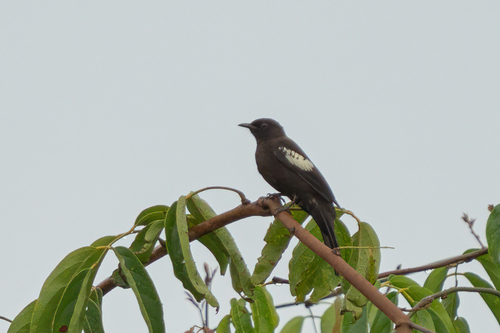
モンツキヒヨドリ (Microtarsus melanoleucos) モンツキヒヨドリ
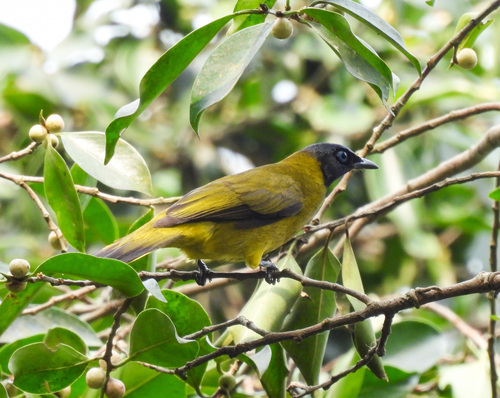
ズグロヒヨドリ (Microtarsus melanocephalos) ズグロヒヨドリ

メディア

読み込み中…

要点

ブラックアンドホワイトヒヨドリとズグロヒヨドリを分ける最も信頼できる方法は、全体の羽色によるものです。ブラックアンドホワイトヒヨドリは黒と白の大胆な模様を持っているのに対し、ズグロヒヨドリは主にオリーブイエローで、光沢のある黒い頭と広い黄色の尾の先端を持っています。ズグロヒヨドリの幼鳥や未成熟個体は完全な青い目や光沢のある頭を欠くことがありますが、ブラックアンドホワイトヒヨドリの際立った黒と白のコントラストを示すことはありません。両種はサイズが似ており、東南アジアの重複する森林生息地に生息しているため、羽色に注意を払うことが重要です。構造的な違いは微妙であり、生息地だけでは診断できません。

識別のコツ

  1. 全体の羽色が最も早いチェック: ブラックアンドホワイトヒヨドリは大胆な黒と白で、黒い頭/上部と白い下部との間に鋭いコントラストがあります。ズグロヒヨドリは主にオリーブイエローで、光沢のある黒い頭と広い黄色の尾の先端を持っています。
  2. 頭の模様: ブラックアンドホワイトヒヨドリは黒い頭が黒い上部に溶け込み、下は白で際立っています。ズグロヒヨドリは光沢のある青みがかった黒い頭を持っていますが、体の残りはオリーブイエローまたは灰色(稀な形態)で、決して白ではありません。
  3. 尾の先端: ズグロヒヨドリの尾の広い黄色の先端を探してください—これはすべての年齢に存在し、ブラックアンドホワイトヒヨドリにはありません。
  4. 体の色: ブラックアンドホワイトヒヨドリは決してオリーブイエローや灰色の色調を示しません; その色は常に鮮やかな黒と白です。ズグロヒヨドリは幼鳥や稀な形態でも黒と白のコントラストを示しません。
  5. 幼鳥/未成熟の混乱: 若いズグロヒヨドリは成鳥の青い目や光沢のある頭を欠くことがありますが、体は依然としてオリーブイエローまたは灰色であり、黒と白ではありません。幼鳥のブラックアンドホワイトヒヨドリは依然として黒と白です。
  6. 飛行中の視点: どちらの種にも特有の翼や上翼の模様は記載されていないため、飛行中は全体の体と尾の色に頼ってください。
  7. 冠羽: ズグロヒヨドリは決して冠羽を示しませんが、これはブラックアンドホワイトヒヨドリに対して診断的ではありません; ブラックアンドホワイトヒヨドリも冠羽を欠いています。
  8. 目の色: ズグロヒヨドリの成鳥は青い目を持っていますが、これは幼鳥では信頼できず、フィールドでの安全な分離にはなりません。
  9. サイズと構造: 両種はサイズと形が似ているため、サイズを分離の基準として使用しないでください。
  10. 生息地: 両者は東南アジアの類似の森林生息地に生息しています; 生息地だけに頼らないでください。
  11. 群れのサイズ: ズグロヒヨドリはしばしば小さな群れで見られます; これは診断的ではありませんが、文脈に役立つかもしれません。
  12. 稀な形態: ズグロヒヨドリの稀な灰色の形態はオリーブイエローを灰色に置き換えますが、依然として黒と白のコントラストを欠き、黄色の尾の先端を保持します。
  13. くちばしと全体の印象: くちばしの形状や全体の構造に特有の違いは記載されていません。
  14. 声: メモには声の違いは記載されていません; 分離のために声を使用しないでください。
  15. 落とし穴: 主な落とし穴は、暗い頭のヒヨドリがズグロヒヨドリであると仮定することです; いつでも黄色の尾の先端とオリーブイエローまたは灰色の体を確認してください。もし鳥が鮮やかな黒と白であれば、それはブラックアンドホワイトヒヨドリです。

大きさ

両種はサイズが似ており、ズグロヒヨドリは長さ16〜18 cm、体重20〜30 gです [wikipedia]。ブラックアンドホワイトヒヨドリの具体的なサイズデータはありませんが、両者の間に重要な違いがあるという兆候はありません。サイズは分離のための信頼できるフィールドマークではありません。

羽色

羽色は主なフィールドマークです: ブラックアンドホワイトヒヨドリはすべての年齢で大胆な黒と白の模様を示し、黒い頭と上部と白い下部と下半身との間に鋭いコントラストがあります。この際立った模様は地域のヒヨドリの中でユニークです。それに対して、ズグロヒヨドリは主にオリーブイエローで、光沢のある青みがかった黒い頭と広い黄色の尾の先端を持っています。頭は完全に暗いですが、体の残りは決して黒と白ではなく、代わりに緑がかった黄色または、稀に、珍しい灰色の形態で灰色です。幼鳥のズグロヒヨドリは完全な青い目や光沢のある頭を欠くことがありますが、依然として黒と白のコントラストを示しません。黄色の尾の先端はすべての年齢のズグロヒヨドリの重要なマークです。どちらの種にも年齢特有の翼や上翼の模様は記載されていないため、全体の体と尾の色に焦点を当ててください。

行動

ズグロヒヨドリはしばしば6〜8羽の小さな群れで見られ、主に果物やベリーを食べ、時には昆虫を食べます。ブラックアンドホワイトヒヨドリに関する特定の行動情報はメモにありませんが、両者の間で診断的な行動の違いは強調されていません。両者は典型的な森林のヒヨドリであり、樹冠や亜樹冠で採餌しているのが見られることがあります。

生息環境

両種は東南アジアの森林地域に生息しています。ブラックアンドホワイトヒヨドリはマレー半島、スマトラ、ボルネオの亜熱帯または熱帯の湿った低地および山地の森林に生息しています。ズグロヒヨドリは森林生息地で東南アジア全体に広く分布しています。彼らの分布が重なり、両者が類似の森林タイプを好むため、生息地はフィールドでの信頼できる分離要因ではありません。

より良い説明を送る

比較と同じ項目を使ってください。文章はすぐに公開されます。

The most reliable way to separate Black-and-white Bulbul from Black-headed Bulbul is by overall plumage: Black-and-white Bulbul is boldly patterned in black and white, while Black-headed Bulbul is mainly olive-yellow with a glossy black head and a broad yellow tip to the tail. Juveniles and immatures of Black-headed Bulbul may lack the full blue eye and glossy head, but never show the striking black-and-white contrast of Black-and-white Bulbul. Both species are similar in size and occur in overlapping forest habitats in Southeast Asia, so careful attention to plumage is essential. Structural differences are subtle, and habitat alone is not diagnostic.

  1. Overall plumage is the fastest check: Black-and-white Bulbul is boldly black and white, with sharp contrast between the black head/upperparts and white underparts. Black-headed Bulbul is mainly olive-yellow with a glossy black head and a broad yellow tail tip.
  2. Head pattern: Black-and-white Bulbul has a black head that merges into black upperparts, set off by white below. Black-headed Bulbul has a glossy bluish-black head, but the rest of the body is olive-yellow or grey (in rare morphs), never white.
  3. Tail tip: Look for the broad yellow tip to the tail on Black-headed Bulbul—this is present in all ages and is absent in Black-and-white Bulbul.
  4. Body color: Black-and-white Bulbul never shows olive-yellow or grey tones; its coloration is always stark black and white. Black-headed Bulbul never shows the black-and-white contrast, even in juveniles or rare morphs.
  5. Juvenile/immature confusion: Young Black-headed Bulbuls may lack the adult's blue eye and glossy head, but their body is still olive-yellow or grey, not black-and-white. Juvenile Black-and-white Bulbul is still black and white.
  6. Flight views: No distinctive wing or upperwing patterns are described for either species, so rely on overall body and tail color in flight.
  7. Crest: Black-headed Bulbul never shows a crest, but this is not diagnostic against Black-and-white Bulbul, which also lacks a crest.
  8. Eye color: Black-headed Bulbul adults have blue eyes, but this is not reliable in juveniles and is not a safe separator in the field.
  9. Size and structure: Both species are similar in size and shape; do not use size as a separator.
  10. Habitat: Both occur in similar forest habitats in Southeast Asia; do not rely on habitat alone.
  11. Flock size: Black-headed Bulbul often occurs in small flocks; this is not diagnostic, but may help with context.
  12. Rare morphs: The rare grey morph of Black-headed Bulbul replaces olive-yellow with grey, but still lacks any black-and-white contrast and retains the yellow tail tip.
  13. Bill and jizz: No distinctive differences are noted in bill shape or overall structure.
  14. Voice: No vocal differences are described in the notes; do not use voice for separation.
  15. Pitfalls: The main pitfall is assuming any dark-headed bulbul is Black-headed Bulbul; always check for the yellow tail tip and olive-yellow or grey body. If the bird is sharply black and white, it is Black-and-white Bulbul.

Both species are similar in size, with Black-headed Bulbul measuring 16–18 cm in length and weighing 20–30 g [wikipedia]. No specific size data is available for Black-and-white Bulbul, but there is no indication of a significant difference between the two. Size is not a reliable field mark for separation.

Plumage is the primary field mark: Black-and-white Bulbul of all ages shows a bold black-and-white pattern, with sharp contrast between the black head and upperparts and the white underparts and lower body. This striking pattern is unique among bulbuls in the region. In contrast, Black-headed Bulbul is mainly olive-yellow with a glossy bluish-black head and a broad yellow tip to the tail. The head is solidly dark, but the rest of the body is never black-and-white; instead, it is greenish-yellow or, rarely, grey in the uncommon grey morph. Juvenile Black-headed Bulbuls may lack the full blue eye and glossy head, but still do not show black-and-white contrast. The yellow tail tip is a key mark for Black-headed Bulbul of all ages. No age-specific wing or upperwing patterns are described for either species, so focus on overall body and tail coloration.

Black-headed Bulbul often occurs in small flocks of 6–8 birds and feeds mainly on fruit and berries, sometimes insects. There is no specific behavioral information for Black-and-white Bulbul in the notes, and no behavioral differences are highlighted as diagnostic between the two. Both are typical forest bulbuls and may be seen foraging in the canopy or subcanopy.

Both species inhabit forested areas in Southeast Asia. Black-and-white Bulbul is found on the Malay Peninsula, Sumatra, and Borneo in subtropical or tropical moist lowland and montane forests. Black-headed Bulbul ranges more broadly across southeastern Asia in forest habitats. Since their ranges overlap and both prefer similar forest types, habitat is not a reliable separator in the field.

変更を破棄しますか?

保存していない編集があります。今離れると失われます。

モンツキヒヨドリ · ズグロヒヨドリ · 苦手な鳥