

Arabische dwergooruil vs Principedwergooruil
Otus pamelae versus Otus bikegila
Speel een quiz met Arabische dwergooruil en Principedwergooruil
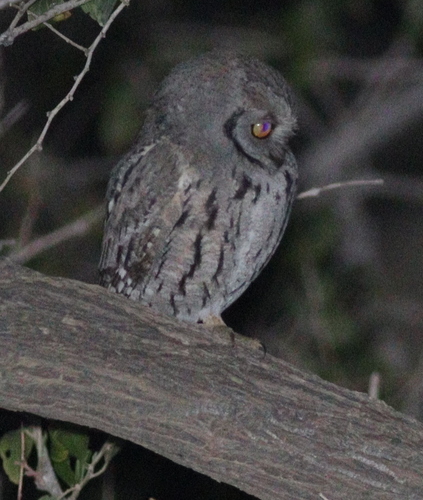 Arabische dwergooruil
 Principedwergooruil
Kort gezegd
De meest betrouwbare manier om Arabische dwergooruil van Principedwergooruil te scheiden is op basis van locatie: Arabische dwergooruil wordt alleen aangetroffen op het Arabisch Schiereiland (Saoedi-Arabië, Oman, Jemen), terwijl Principedwergooruil beperkt is tot het eiland Príncipe in de Golf van Guinee. In het veld zijn beide kleine dwergooruilen met een vergelijkbare structuur, en er zijn geen gepubliceerde leeftijdspecifieke vleugel- of verenkleedkenmerken om ze in de vlucht of in rust te onderscheiden. Als je een kleine Otus-uil buiten deze gebieden tegenkomt, zal identificatie zeer onzeker zijn. Vocalisaties kunnen helpen, aangezien Principedwergooruil voor het eerst werd gedetecteerd door zijn unieke roep, maar details ontbreken. In de praktijk zijn bereik en context de meest beslissende aanwijzingen.
Herkenningstips
- Bereik is de meest beslissende aanwijzing: Arabische dwergooruil wordt alleen aangetroffen in Saoedi-Arabië, Oman en Jemen; Principedwergooruil is alleen op het eiland Príncipe. Als je buiten deze gebieden bent, heroverweeg je identificatie.
- Er zijn geen leeftijdspecifieke vleugel- of vluchtkenmerken gepubliceerd: Beide soorten missen beschreven juvenile of onvolwassen bovenvleugelpatronen die scheiding in de vlucht of in rust mogelijk zouden maken.
- Structuur is vergelijkbaar: Beide zijn kleine, compacte Otus-uilen zonder gerapporteerde onderscheidende verschillen in snavel, vleugel of staartvorm.
- Verenkleed is cryptisch en vergelijkbaar: Verwacht bruinachtige of grijzige gevlekte veren in beide, zonder bekende unieke kenmerken voor beide soorten op enige leeftijd.
- Geslachten en leeftijden zijn niet in het veld te scheiden: Er zijn geen seksuele dimorfisme of leeftijdsgerelateerde verenkleedverschillen beschreven die zouden helpen bij identificatie.
- Vocalisaties kunnen verschillen, maar details ontbreken: Principedwergooruil werd ontdekt door zijn unieke roep, maar zonder gepubliceerde beschrijvingen is dit geen praktische veldkenmerk tenzij je lokale ervaring of opnames hebt.
- Habitatcontext kan helpen: Arabische dwergooruil geeft de voorkeur aan droge en semi-droge habitats, terwijl Principedwergooruil een bossoort is. Gebruik habitat als ondersteunende aanwijzing, maar vertrouw eerst op bereik.
- Geen betrouwbare grootteverschil: Beide worden beschreven als kleine dwergooruilen, zonder metingen om ze te onderscheiden.
- Gedrag is niet diagnostisch: Beide zijn nachtactief en geheimzinnig, typisch voor dwergooruilen.
- Als je een dwergooruil buiten de bekende gebieden tegenkomt, is identificatie zeer onzeker: Overweeg de mogelijkheid van zwervend gedrag of verkeerde identificatie met andere Otus-soorten.
- Foto's zullen waarschijnlijk niet helpen: Zonder unieke veldkenmerken kunnen zelfs goede foto's geen definitieve scheiding mogelijk maken.
- Raadpleeg lokale experts of opnames als je twijfelt: Vooral voor vocalisaties, aangezien lokale kennis de enige manier kan zijn om Principedwergooruil te bevestigen.
- Vertrouw niet op algemene Otus-kenmerken: Oorpluimen, oogkleur en algemene uitstraling zijn vergelijkbaar en niet diagnostisch tussen deze twee.
- Populatiegrootte is geen veldkenmerk: Arabische dwergooruil is talrijker, maar dit helpt niet bij individuele identificatie.
- Als je niet zeker bent, documenteer dan zoveel mogelijk: Noteer locatie, habitat, gedrag en eventuele vocalisaties voor deskundige beoordeling.
Grootte
Beide soorten worden beschreven als kleine dwergooruilen, zonder gepubliceerde metingen om ze in het veld te onderscheiden. Zonder directe groottevergelijking of gedetailleerde metingen is grootte geen betrouwbare scheiding tussen Arabische dwergooruil en Principedwergooruil.
Verenkleed
Er zijn geen gepubliceerde details over leeftijdspecifiek verenkleed of bovenvleugelpatronen voor beide soorten, zodat juvenile, onvolwassen en volwassen vogels niet betrouwbaar op basis van verenkleed kunnen worden gescheiden. Beide worden verwacht het typische Otus dwergooruilpatroon te vertonen: cryptisch bruinachtig of grijzig verenkleed, met subtiele strepen en vlekken, maar er zijn geen onderscheidende kenmerken beschreven voor beide soorten op enige leeftijd.
Gedrag
Er is geen gepubliceerde gedragsverschil tussen Arabische dwergooruil en Principedwergooruil dat zou helpen bij veldidentificatie. Beide zijn waarschijnlijk nachtactief, geheimzinnig en rusten overdag in dichte dekking, zoals typisch is voor dwergooruilen.
Habitat
Arabische dwergooruil is endemisch in droge en semi-droge habitats in Saoedi-Arabië, Oman en Jemen, terwijl Principedwergooruil beperkt is tot de bossen van het eiland Príncipe. Als je vogels observeert in droge, open bossen of struikgewas in Arabië, zie je waarschijnlijk Arabische dwergooruil. In tegenstelling tot dat, is elke dwergooruil die je tegenkomt in de vochtige bossen van Príncipe vrijwel zeker een Principedwergooruil.
Geluid
Principedwergooruil werd voor het eerst gedetecteerd door zijn kenmerkende nachtelijke roep, maar er zijn geen vergelijkende beschrijvingen of opnames beschikbaar in de bronnen. De vocalisaties van Arabische dwergooruil zijn niet beschreven in de aantekeningen. Zonder gepubliceerde sonogrammen of beschrijvingen kan de stem niet betrouwbaar worden gebruikt om deze soorten te scheiden, tenzij je toegang hebt tot lokale opnames.
Arabische dwergooruil · Principedwergooruil · Mijn lastige vogels