

Motmot

アラビアコノハズク 対 プリンシペコノハズク

Otus pamelae 対 Otus bikegila

アラビアコノハズクとプリンシペコノハズクのクイズ
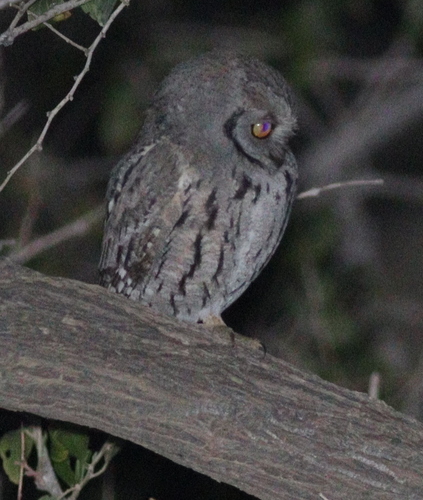
アラビアコノハズク (Otus pamelae) アラビアコノハズク
プリンシペコノハズク (Otus bikegila) プリンシペコノハズク

メディア

読み込み中…

要点

アラビアコノハズクとプリンシペコノハズクを分ける最も信頼できる方法は、場所によるものです:アラビアコノハズクはアラビア半島(サウジアラビア、オマーン、イエメン)にのみ生息し、プリンシペコノハズクはギニア湾のプリンシペ島に限定されています。現地では、両者は構造が似た小型のコノハズクであり、飛行中や休息中に区別するための年齢特有の翼や羽毛のマークは公表されていません。これらの範囲外で小型のオトスのフクロウに出会った場合、識別は非常に不確かになります。声の特徴が役立つかもしれませんが、プリンシペコノハズクはその独特の鳴き声で最初に発見されましたが、詳細は不足しています。実際には、範囲と文脈が最も決定的な手がかりです。

識別のコツ

  1. 範囲が最も決定的な手がかり:アラビアコノハズクはサウジアラビア、オマーン、イエメンにのみ生息し、プリンシペコノハズクはプリンシペ島にのみ生息しています。これらの地域外にいる場合は、識別を再考してください。
  2. 年齢特有の翼や飛行マークは公表されていない:両種は、飛行中や休息中に区別するための幼鳥や未熟な上翼パターンが記載されていません。
  3. 構造は似ている:両者は小型でコンパクトなオトスのフクロウであり、くちばし、翼、尾の形において特異な違いは報告されていません。
  4. 羽毛は隠蔽的で似ている:両者には茶色または灰色のまだらな羽毛が期待され、いずれの種にも年齢に関係なく特異なマークは知られていません。
  5. 性別と年齢は現地で区別できない:識別に役立つ性的二形や年齢に関連する羽毛の違いは記載されていません。
  6. 声は異なる可能性があるが、詳細は不足している:プリンシペコノハズクはその独特の鳴き声で発見されましたが、公表された記述がないため、地元の経験や録音がない限り、これは実用的なフィールドマークではありません。
  7. 生息地の文脈が役立つ:アラビアコノハズクは乾燥した半乾燥の生息地を好み、プリンシペコノハズクは森林種です。生息地を補助的な手がかりとして使用しますが、まず範囲に依存してください。
  8. 信頼できるサイズの違いはない:両者は小型のコノハズクとして記載されており、区別するための測定値はありません。
  9. 行動は診断的ではない:両者は夜行性で秘密主義的であり、コノハズクに典型的です。
  10. 知られている範囲外でコノハズクに出会った場合、識別は非常に不確かです:他のオトス種との迷い込みや誤認の可能性を考慮してください。
  11. 写真は役に立たない可能性が高い:特異なフィールドマークがない限り、良い写真でさえも決定的な区別を可能にしないかもしれません。
  12. 疑問がある場合は地元の専門家や録音に相談してください:特に声に関しては、地元の知識がプリンシペコノハズクを確認する唯一の方法かもしれません。
  13. 一般的なオトスの特徴に依存しないでください:耳の房、目の色、一般的な印象は似ており、これら二者の間で診断的ではありません。
  14. 個体数はフィールドマークではない:アラビアコノハズクはより多く見られますが、これは個体識別には役立ちません。
  15. 不明な場合はできるだけ多くの情報を記録してください:専門家のレビューのために、場所、生息地、行動、声を記録してください。

大きさ

両種は小型のコノハズクとして記載されており、フィールドで区別するための公表された測定値はありません。直接的なサイズ比較や詳細な測定がない限り、サイズはアラビアコノハズクとプリンシペコノハズクを区別する信頼できる要素ではありません。

羽色

両種に関する年齢特有の羽毛や上翼パターンに関する公表された詳細はなく、幼鳥、未熟、成鳥の鳥は羽毛だけで信頼できるように区別できません。両者は典型的なオトスのコノハズクのパターンを示すことが期待されます:隠蔽的な茶色または灰色の羽毛で、微妙な縞模様やまだら模様がありますが、いずれの種にも年齢に関係なく特異なマークは記載されていません。

行動

アラビアコノハズクとプリンシペコノハズクの間には、フィールド識別に役立つ行動の違いは公表されていません。両者は夜行性で秘密主義的であり、コノハズクに典型的に日中は密な覆いの中で休息します。

生息環境

アラビアコノハズクはサウジアラビア、オマーン、イエメンの乾燥した半乾燥の生息地に特有であり、プリンシペコノハズクはプリンシペ島の森林に限定されています。アラビアの乾燥した開けた森林や低木でバードウォッチングをしている場合、アラビアコノハズクを見ている可能性が高いです。それに対して、プリンシペの湿った森林で出会ったコノハズクはほぼ確実にプリンシペコノハズクです。

声

プリンシペコノハズクはその独特の夜間の鳴き声で最初に発見されましたが、比較のための記述や録音はソースにありません。アラビアコノハズクの声はメモに記載されていません。公表された音声記録や記述がない限り、声を使ってこれらの種を信頼できるように区別することはできません。

より良い説明を送る

比較と同じ項目を使ってください。文章はすぐに公開されます。

The most reliable way to separate Arabian Scops Owl from Principe Scops Owl is by location: Arabian Scops Owl is only found in the Arabian Peninsula (Saudi Arabia, Oman, Yemen), while Principe Scops Owl is restricted to Príncipe Island in the Gulf of Guinea. In the field, both are small scops owls with similar structure, and there are no published age-specific wing or plumage marks to distinguish them in flight or at rest. If you encounter a small Otus owl outside these ranges, identification will be highly uncertain. Vocalizations may help, as Principe Scops Owl was first detected by its unique call, but details are lacking. In practice, range and context are the most decisive clues.

  1. Range is the most decisive clue: Arabian Scops Owl is only found in Saudi Arabia, Oman, and Yemen; Principe Scops Owl is only on Príncipe Island. If you are outside these areas, reconsider your identification.
  2. No age-specific wing or flight marks are published: Both species lack described juvenile or immature upperwing patterns that would allow separation in flight or at rest.
  3. Structure is similar: Both are small, compact Otus owls with no distinctive differences in bill, wing, or tail shape reported.
  4. Plumage is cryptic and similar: Expect brownish or greyish mottled plumage in both, with no known unique marks for either species at any age.
  5. Sexes and ages not separable in the field: No sexual dimorphism or age-related plumage differences are described that would help with identification.
  6. Vocalizations may differ, but details are lacking: Principe Scops Owl was discovered by its unique call, but without published descriptions, this is not a practical field mark unless you have local experience or recordings.
  7. Habitat context can help: Arabian Scops Owl prefers arid and semi-arid habitats, while Principe Scops Owl is a forest species. Use habitat as a supporting clue, but rely on range first.
  8. No reliable size difference: Both are described as small scops owls, with no measurements to distinguish them.
  9. Behavior is not diagnostic: Both are nocturnal and secretive, typical of scops owls.
  10. If you encounter a scops owl outside the known ranges, identification is highly uncertain: Consider the possibility of vagrancy or misidentification with other Otus species.
  11. Photographs are unlikely to help: Without unique field marks, even good photos may not allow definitive separation.
  12. Consult local experts or recordings if in doubt: Especially for vocalizations, as local knowledge may be the only way to confirm Principe Scops Owl.
  13. Do not rely on general Otus features: Ear tufts, eye color, and general jizz are similar and not diagnostic between these two.
  14. Population size is not a field mark: Arabian Scops Owl is more numerous, but this does not help with individual identification.
  15. If you are unsure, document as much as possible: Record location, habitat, behavior, and any vocalizations for expert review.

Both species are described as small scops owls, with no published measurements to distinguish them in the field. Without direct size comparison or detailed measurements, size is not a reliable separator between Arabian Scops Owl and Principe Scops Owl.

There are no published details on age-specific plumage or upperwing patterns for either species, so juvenile, immature, and adult birds cannot be reliably separated by plumage alone. Both are expected to show the typical Otus scops owl pattern: cryptic brownish or greyish plumage, with subtle streaking and mottling, but no distinctive marks are described for either species at any age.

There is no published behavioral difference between Arabian Scops Owl and Principe Scops Owl that would help in field identification. Both are likely to be nocturnal, secretive, and roost in dense cover by day, as is typical for scops owls.

Arabian Scops Owl is endemic to arid and semi-arid habitats in Saudi Arabia, Oman, and Yemen, while Principe Scops Owl is restricted to the forests of Príncipe Island. If you are birding in dry, open woodlands or scrub in Arabia, you are likely seeing Arabian Scops Owl. In contrast, any scops owl encountered in the humid forests of Príncipe is almost certainly Principe Scops Owl.

Principe Scops Owl was first detected by its distinctive nighttime call, but no comparative descriptions or recordings are available in the sources. Arabian Scops Owl's vocalizations are not described in the notes. Without published sonograms or descriptions, voice cannot be used reliably to separate these species unless you have access to local recordings.

変更を破棄しますか?

保存していない編集があります。今離れると失われます。

アラビアコノハズク · プリンシペコノハズク · 苦手な鳥