

Motmot

シマハジロバト 対 ミミグロバト

Zenaida aurita 対 Zenaida auriculata

シマハジロバトとミミグロバトのクイズ
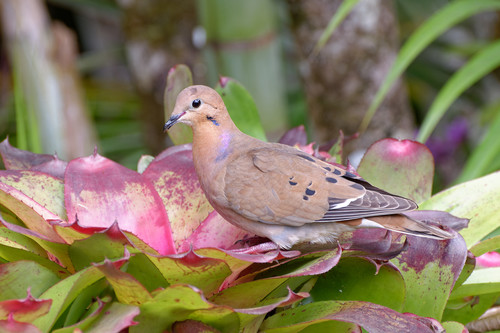
シマハジロバト (Zenaida aurita) シマハジロバト
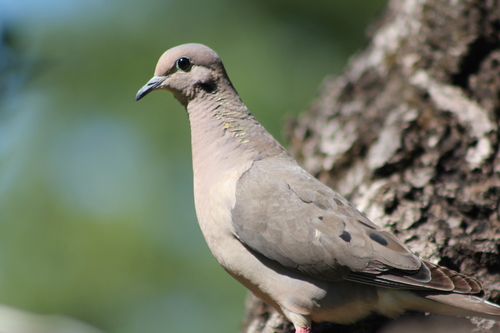
ミミグロバト (Zenaida auriculata) ミミグロバト

メディア

読み込み中…

要点

シマハジロバトとミミグロバトを区別する最も信頼できるフィールドマークは、すべての年齢のシマハジロバトに見られる飛行中の翼の白い後縁の存在であり、これはミミグロバトには見られません。構造も役立ちます:シマハジロバトは大きくて重く、尾は短くて丸みを帯びているのに対し、ミミグロバトは小さくて軽く、尾は長くてくさび形です。成鳥の羽毛は全体的に似ていますが、ミミグロバトのオスは目の後ろと下耳覆いに特徴的な黒い斑点を示し、シマハジロバトにはありません。未成熟のミミグロバトは鈍い色合いでより縞模様があり、注意が必要です:両種は地面で似たように見えることがあります、特に雌や幼鳥は。声の違いを聞き取ることができますが、迅速なフィールドでの区別には飛行と尾の形を優先してください。

識別のコツ

  1. 飛行中の白い後縁(すべての年齢): シマハジロバトは常に飛行中の翼に白い後縁を示します;ミミグロバトは決して示しません。このマークが見えたら、それはシマハジロバトです。
  2. 尾の形: シマハジロバトは短くて丸い尾を持っています;ミミグロバトの尾は長くてくさび形で、成鳥にはシナモン色の先端があります。これは止まっている時と飛行中の両方で見えます。
  3. サイズと体格: シマハジロバトは大きくて重く、スリムで軽いミミグロバトよりも体格が大きく見えます。これは両種が一緒に見られるときに最も明らかですが、経験によって判断できます。
  4. 顔の模様(成鳥のオス): ミミグロバトのオスは灰色の冠、目の後ろに黒い線、青黒い斑点('耳'マーク)を持っており、これはシマハジロバトにはありません。シマハジロバトの顔はよりシンプルです。
  5. 上面の色調: シマハジロバトは一般的に上面がより暗く均一です;ミミグロバトは特にオスでオリーブブラウンが強いです。
  6. 腹部: ミミグロバトの成鳥はワイン色の腹部を持っています;シマハジロバトはより均一に暗いです。
  7. 未成熟の羽毛: 未成熟のミミグロバトは灰褐色で淡い縞模様があり、特に上面に見られます。シマハジロバトの未成熟は成鳥に似ており、明らかな縞模様はありません。
  8. 飛行スタイル: ミミグロバトは高く、速く、直接に飛び、大きな群れで見られることが多いです;シマハジロバトの飛行は強いですが、大きな群れでいる可能性は低いです。
  9. 声: シマハジロバトの鳴き声は速く、より悲しげです;ミミグロバトの声は深く、柔らかいです。これは補助的な証拠として使用し、主要な識別には使用しないでください。
  10. 生息地の文脈: カリブ海の島々ではシマハジロバトが期待されます;南アメリカ本土ではミミグロバトが優勢です。南カリブ海の島々(例:トリニダード、グレナディーン)では、すべてのマークを注意深く確認してください。
  11. 止まっている時の混同: 両種は止まっている時に似て見えることがあり、特に雌や未成熟の個体はそうです。尾の形と、見えた場合には飛行中の白い翼の縁に頼ってください。
  12. 群れのサイズ: ミミグロバトは特に農業地域で非常に大きな群れでいる可能性が高いです;シマハジロバトはより孤独または小さな群れでいることが多いです。
  13. くちばしと脚の色: ミミグロバトは黒いくちばしと暗赤色の脚を持っています;シマハジロバトのくちばしと脚はあまり明確に記述されていませんが、診断的ではありません。
  14. 採餌行動: 両種は地面で種子や穀物を探し、しばしば水の近くで見られるため、行動だけでは診断的ではありません。
  15. 季節性: 両種は年に複数回繁殖でき、常駐しています;季節を主要な区別として使用しないでください。

大きさ

シマハジロバトはミミグロバト(通常約112 g)と比較して、明らかに大きくて重い(体重約159 g)です。シマハジロバトは約28〜30 cmの長さで、ミミグロバトは約24 cmと小さいです。フィールドでは、シマハジロバトはより大きくて頑丈に見え、相対的に短い尾を持っています。ミミグロバトはスリムで、より繊細に見え、より長くてくさび形の尾を持ち、その小さな体格を強調します。

羽色

行動

両種は地面で採餌し、しばしば開けた場所や水の近くで見られます。ミミグロバトは特に群れを作り、繁殖シーズン外で大きな群れを形成し、高く、速く、直接に飛びます。シマハジロバトも社交的ですが、より頻繁に単独またはペアで見られることがあります。両種は人間によって改変された生息地に適応するのが得意ですが、ミミグロバトは特に農業地域で大きな群れで見られる可能性が高いです。

生息環境

シマハジロバトはカリブ海の島々と北ユカタン全域に見られ、低地、沿岸平野、茂みのある草地、さらには都市公園や庭を好みます。ミミグロバトは南アメリカ全域に広がり、コロンビアからアルゼンチン、チリまで、そしてグレナディーン南部のいくつかのカリブ海の島々にも見られます。ミミグロバトはサバンナ、開けた野原、農地に豊富に生息し、その範囲内の都市部でも非常に一般的です。シマハジロバトはカリブ海でより見られ、ミミグロバトは南アメリカ本土で見られますが、南カリブ海の島々ではいくつかの重複があります。

声

シマハジロバトの鳴き声は悲しげで、より速いペースのクー音で、ナゲキバトを思わせますが、より速いです。ミミグロバトは深く、柔らかい'ウーアウー'を出します。両方ともクラシックな鳩の鳴き声であり、混乱を招くことがありますが、ペースとトーンは異なります:シマハジロバトは速く、より悲しげで、ミミグロバトは深く、より柔らかいです。声は役立ちますが、視覚的なフィールドマークほど信頼性はありません。

より良い説明を送る

比較と同じ項目を使ってください。文章はすぐに公開されます。

The most reliable field mark to separate Zenaida Dove from Eared Dove is the presence of a white trailing edge on the wings in flight in Zenaida Dove of all ages—a feature Eared Dove never shows. Structure also helps: Zenaida Dove is larger and heavier, with a shorter, more rounded tail, while Eared Dove is smaller, lighter, and has a longer, wedge-shaped tail. Adult plumage is similar overall, but Eared Dove males show a distinctive black mark behind the eye and on the lower ear coverts, lacking in Zenaida Dove. Immature Eared Doves are duller and more barred, but beware: both species can appear similar on the ground, especially females and juveniles. Listen for vocal differences, but prioritize flight and tail shape for quick field separation.

  1. White trailing edge in flight (all ages): Zenaida Dove always shows a white trailing edge on the wings in flight; Eared Dove never does. If you see this mark, it's Zenaida Dove.
  2. Tail shape: Zenaida Dove has a short, rounded tail; Eared Dove's tail is longer and wedge-shaped, with a cinnamon tip in adults. This is visible both perched and in flight.
  3. Size and bulk: Zenaida Dove is larger and heavier, appearing bulkier than the slimmer, lighter Eared Dove. This is most apparent when both species are seen together, but can be judged with experience.
  4. Facial pattern (adult males): Eared Dove males have a grey crown, a black line behind the eye, and a blue-black patch on the lower ear coverts ('ear' mark), which Zenaida Dove lacks. Zenaida Dove's face is plainer.
  5. Upperpart tone: Zenaida Dove is generally darker and more uniform above; Eared Dove is more olive-brown, especially in males.
  6. Underparts: Eared Dove adults have vinous (wine-colored) underparts; Zenaida Dove is more uniformly dark below.
  7. Immature plumage: Immature Eared Doves are greyish-brown with pale barring, especially on the upperparts. Zenaida Dove immatures are similar to adults and lack obvious barring.
  8. Flight style: Eared Dove flies high, fast, and direct, often in large flocks; Zenaida Dove's flight is strong but less likely to be in huge groups.
  9. Vocalizations: Zenaida Dove's call is faster and more mournful; Eared Dove's is deeper and softer. Use as supporting evidence, not primary ID.
  10. Habitat context: On Caribbean islands, Zenaida Dove is expected; in mainland South America, Eared Dove is dominant. On southern Caribbean islands (e.g., Trinidad, Grenadines), check all marks carefully.
  11. Perched confusion: Both species can look similar when perched, especially females and immatures. Rely on tail shape and, if seen, the white wing edge in flight.
  12. Flock size: Eared Dove is more likely to be in very large flocks, especially in agricultural areas; Zenaida Dove is more often solitary or in small groups.
  13. Bill and leg color: Eared Dove has a black bill and dark red legs; Zenaida Dove's bill and legs are less distinctly described but not diagnostic.
  14. Feeding behavior: Both species forage on the ground for seeds and grains, often near water, so behavior alone is not diagnostic.
  15. Seasonality: Both species can breed multiple times per year and are resident; do not use season as a primary separation.

Zenaida Dove is noticeably larger and heavier (body mass ~159 g) compared to Eared Dove (typically ~112 g). Zenaida Dove measures about 28–30 cm in length, while Eared Dove is smaller at about 24 cm. In the field, Zenaida Dove appears bulkier and more robust, with a proportionally shorter tail. Eared Dove looks slimmer, more delicate, and has a longer, wedge-shaped tail that accentuates its smaller frame.

  • Flight/wing pattern (all ages): Zenaida Dove shows a clear white trailing edge on the wings in flight, a highly visible and diagnostic mark. Eared Dove never shows this white edge.

  • Tail: Zenaida Dove's tail is shorter and more rounded; Eared Dove's is longer and wedge-shaped, with a cinnamon tip in adults.

  • Adult males: Eared Dove males have a grey crown, black line behind the eye, and blue-black lower ear coverts (the 'eared' mark), which Zenaida Dove lacks. Zenaida Dove is overall darker and more uniform.

  • Females and immatures: Eared Dove females are duller than males; immature Eared Doves are greyish-brown with pale barring, while Zenaida Dove immatures are not specifically described as barred but are generally similar to adults. Both species can appear drab and brownish when young, but the white wing edge in flight remains a Zenaida Dove feature at all ages.

  • Underparts: Eared Dove adults have vinous underparts; Zenaida Dove is more uniformly dark.

Both species forage on the ground, often in open areas and near water. Eared Dove is especially gregarious, forming large flocks outside the breeding season and flying in high, fast, direct patterns. Zenaida Dove is also social but may be seen singly or in pairs more often. Both species adapt well to human-modified habitats, but Eared Dove is more likely to be seen in massive flocks, especially in agricultural regions.

Zenaida Dove is found throughout the Caribbean islands and the northern Yucatan, favoring lowlands, coastal plains, bushy scrublands, and even urban parks and gardens. Eared Dove is widespread in South America, from Colombia to Argentina and Chile, and on some Caribbean islands from the Grenadines south. Eared Dove is abundant in savannahs, open fields, and farmlands, and is very common in urban areas across its range. Zenaida Dove is more likely in the Caribbean, Eared Dove in mainland South America, but there is some overlap on southern Caribbean islands.

Zenaida Dove's call is a mournful, faster-paced coo, reminiscent of the Mourning Dove but more rapid. Eared Dove gives a deep, soft 'oo-ah-oo'. While both are classic dove calls and can be confusing, the pace and tone differ: Zenaida Dove is faster and more plaintive, Eared Dove deeper and more mellow. Vocalizations are helpful but less reliable than visual field marks.

変更を破棄しますか?

保存していない編集があります。今離れると失われます。

シマハジロバト · ミミグロバト · 苦手な鳥