

Zenaida Dove vs Eared Dove
Zenaida aurita contro Zenaida auriculata
Fai un quiz con Zenaida Dove e Eared Dove
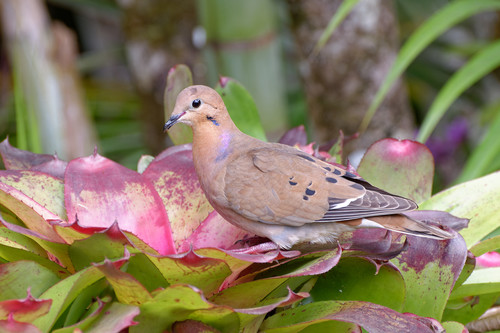 Zenaida Dove
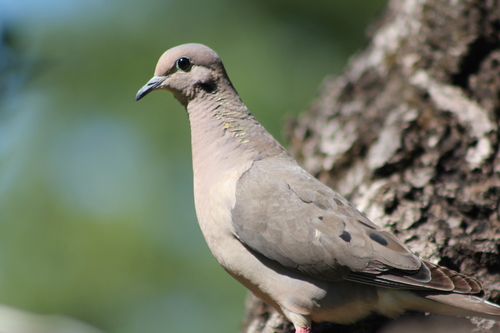 Eared Dove
In breve
Il segno di campo più affidabile per separare la Zenaida Dove dalla Eared Dove è la presenza di un bordo bianco sulle ali in volo nella Zenaida Dove di tutte le età—una caratteristica che la Eared Dove non mostra mai. Anche la struttura aiuta: la Zenaida Dove è più grande e pesante, con una coda più corta e arrotondata, mentre la Eared Dove è più piccola, leggera e ha una coda più lunga e a forma di cuneo. Il piumaggio adulto è simile nel complesso, ma i maschi della Eared Dove mostrano un segno nero distintivo dietro l'occhio e sulle copritrici auricolari inferiori, assente nella Zenaida Dove. Le Eared Dove immature sono più opache e più barrate, ma attenzione: entrambe le specie possono apparire simili a terra, specialmente le femmine e i giovani. Ascolta le differenze vocali, ma dai priorità alla forma del volo e della coda per una rapida separazione sul campo.
Consigli di identificazione
- Bordo bianco in volo (tutte le età): La Zenaida Dove mostra sempre un bordo bianco sulle ali in volo; la Eared Dove non lo fa mai. Se vedi questo segno, è una Zenaida Dove.
- Forma della coda: La Zenaida Dove ha una coda corta e arrotondata; la coda della Eared Dove è più lunga e a forma di cuneo, con una punta cannella negli adulti. Questo è visibile sia in perching che in volo.
- Dimensione e massa: La Zenaida Dove è più grande e pesante, apparendo più robusta rispetto alla più snella e leggera Eared Dove. Questo è più evidente quando entrambe le specie sono viste insieme, ma può essere giudicato con esperienza.
- Schema facciale (maschi adulti): I maschi della Eared Dove hanno una corona grigia, una linea nera dietro l'occhio, e una macchia blu-nera sulle copritrici auricolari inferiori ('segno auricolare'), che la Zenaida Dove non ha. Il viso della Zenaida Dove è più semplice.
- Tono della parte superiore: La Zenaida Dove è generalmente più scura e uniforme sopra; la Eared Dove è più oliva-marrone, specialmente nei maschi.
- Parte inferiore: Gli adulti della Eared Dove hanno parti inferiori vinose (color vino); la Zenaida Dove è più uniformemente scura sotto.
- Piumaggio immaturo: Le Eared Dove immature sono marrone-grigiastro con barrature chiare, specialmente sulla parte superiore. Le immature della Zenaida Dove sono simili agli adulti e mancano di barrature evidenti.
- Stile di volo: La Eared Dove vola alta, veloce e diretta, spesso in grandi stormi; il volo della Zenaida Dove è forte ma meno probabile che sia in enormi gruppi.
- Vocalizzazioni: Il richiamo della Zenaida Dove è più veloce e più lamentoso; quello della Eared Dove è più profondo e morbido. Usa come prova di supporto, non come identificazione primaria.
- Contesto dell'habitat: Sulle isole caraibiche, ci si aspetta di trovare la Zenaida Dove; nel continente sudamericano, la Eared Dove è dominante. Sulle isole caraibiche meridionali (ad es., Trinidad, Grenadine), controlla tutti i segni con attenzione.
- Confusione in perching: Entrambe le specie possono apparire simili quando sono in perching, specialmente le femmine e le immature. Fai affidamento sulla forma della coda e, se vista, sul bordo bianco dell'ala in volo.
- Dimensione del gruppo: La Eared Dove è più probabile che si trovi in stormi molto grandi, specialmente nelle aree agricole; la Zenaida Dove è più spesso solitaria o in piccoli gruppi.
- Colore del becco e delle gambe: La Eared Dove ha un becco nero e gambe rosso scuro; il becco e le gambe della Zenaida Dove sono meno distintamente descritti ma non diagnostici.
- Comportamento alimentare: Entrambe le specie cercano cibo a terra per semi e cereali, spesso vicino all'acqua, quindi il comportamento da solo non è diagnostico.
- Stagionalità: Entrambe le specie possono riprodursi più volte all'anno e sono residenti; non usare la stagione come separazione primaria.
Taglia
La Zenaida Dove è notevolmente più grande e pesante (massa corporea ~159 g) rispetto alla Eared Dove (tipicamente ~112 g). La Zenaida Dove misura circa 28–30 cm di lunghezza, mentre la Eared Dove è più piccola, circa 24 cm. Sul campo, la Zenaida Dove appare più robusta e massiccia, con una coda proporzionalmente più corta. La Eared Dove appare più snella, più delicata e ha una coda più lunga e a forma di cuneo che accentua il suo telaio più piccolo.
Piumaggio
-
Schema di volo/ala (tutte le età): La Zenaida Dove mostra un chiaro bordo bianco sulle ali in volo, un segno altamente visibile e diagnostico. La Eared Dove non mostra mai questo bordo bianco.
-
Coda: La coda della Zenaida Dove è più corta e più arrotondata; quella della Eared Dove è più lunga e a forma di cuneo, con una punta cannella negli adulti.
-
Maschi adulti: I maschi della Eared Dove hanno una corona grigia, una linea nera dietro l'occhio e copritrici auricolari inferiori blu-neri (il segno 'auricolare'), che la Zenaida Dove non ha. La Zenaida Dove è complessivamente più scura e uniforme.
-
Femmine e immature: Le femmine della Eared Dove sono più opache dei maschi; le immature della Eared Dove sono marrone-grigiastro con barrature chiare, mentre le immature della Zenaida Dove non sono specificamente descritte come barrate ma sono generalmente simili agli adulti. Entrambe le specie possono apparire opache e marroni quando giovani, ma il bordo bianco dell'ala in volo rimane una caratteristica della Zenaida Dove a tutte le età.
-
Parte inferiore: Gli adulti della Eared Dove hanno parti inferiori vinose; la Zenaida Dove è più uniformemente scura.
Comportamento
Entrambe le specie cercano cibo a terra, spesso in aree aperte e vicino all'acqua. La Eared Dove è particolarmente gregaria, formando grandi stormi al di fuori della stagione riproduttiva e volando in schemi alti, veloci e diretti. La Zenaida Dove è anche sociale ma può essere vista più spesso singolarmente o in coppie. Entrambe le specie si adattano bene agli habitat modificati dall'uomo, ma la Eared Dove è più probabile che venga vista in enormi stormi, specialmente nelle regioni agricole.
Habitat
La Zenaida Dove si trova in tutte le isole caraibiche e nel nord dello Yucatan, preferendo le pianure, le pianure costiere, i cespugli e persino i parchi e i giardini urbani. La Eared Dove è diffusa in Sud America, dalla Colombia all'Argentina e al Cile, e su alcune isole caraibiche dalle Grenadine a sud. La Eared Dove è abbondante nelle savane, nei campi aperti e nelle terre agricole, ed è molto comune nelle aree urbane in tutto il suo areale. La Zenaida Dove è più probabile nelle Caraibi, la Eared Dove nel continente sudamericano, ma c'è qualche sovrapposizione sulle isole caraibiche meridionali.
Voce
Il richiamo della Zenaida Dove è un coo lamentoso e a ritmo più veloce, che ricorda la Mourning Dove ma è più rapido. La Eared Dove emette un 'oo-ah-oo' profondo e morbido. Anche se entrambi sono richiami classici di tortora e possono essere confusi, il ritmo e il tono differiscono: la Zenaida Dove è più veloce e più lamentosa, la Eared Dove è più profonda e più morbida. Le vocalizzazioni sono utili ma meno affidabili dei segni visivi sul campo.