

Motmot

キイロモフアムシクイ 対 New Zealand Pipit

Mohoua ochrocephala 対 Anthus novaeseelandiae

キイロモフアムシクイとNew Zealand Pipitのクイズ
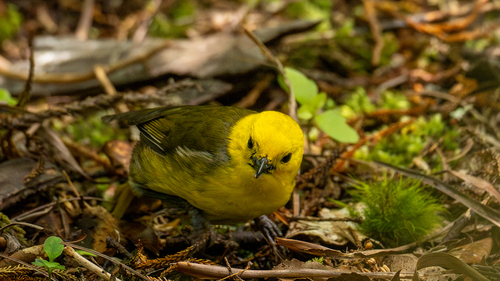
キイロモフアムシクイ (Mohoua ochrocephala) キイロモフアムシクイ
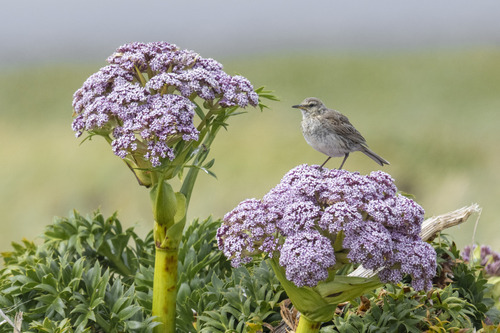
New Zealand Pipit (Anthus novaeseelandiae) New Zealand Pipit

メディア

読み込み中…

要点

キイロモフアムシクイとニュージーランドピピットを分ける最も信頼できる方法は、全体の構造と羽色です:キイロモフアムシクイは、短いくちばしと尾を持つコンパクトで明るい黄色の森林の鳥であり、ニュージーランドピピットは、長い尾を持ち、しばしば振るうスレンダーで縞模様の茶色の鳥です。飛んでいるときや止まっているとき、ピピットの淡い眉斑、縞模様の胸、白い縁のある尾は特徴的ですが、キイロモフアムシクイは強い縞模様や顔のストライプなしで均一な黄色からオリーブ黄色の羽色を示します。両種はサイズが似ていますが、形状、色彩、そして生息地の好みが良い視界での混同を起こす可能性を低くしています。

識別のコツ

  1. Habitat is often decisive: キイロモフアムシクイは、在来の森林の樹冠に生息しています;ニュージーランドピピットは開けた国にいます。草地、砂丘、または農地の地面にいる鳥を見た場合、それはほぼ確実にピピットです。
  2. Overall color: キイロモフアムシクイは頭部と腹部が明るい黄色で、上面はオリーブ黄色です;ピピットは上面が茶色で暗い縞模様があり、下部は淡い色で縞模様の胸を持っています。
  3. Facial pattern: ピピットは強い淡い眉斑(アイブロウ)と暗い頬/口ひげのストライプを示します;キイロモフアムシクイの顔は強いマーキングがない平凡な黄色です。
  4. Tail: ピピットは白い外羽を持つ長く狭い尾を持ち、しばしば上下に振ります;キイロモフアムシクイの尾は短く、平凡で振られません。
  5. Bill and legs: ピピットは細長い尖ったくちばしと長いピンクがかった茶色の脚を持っています;キイロモフアムシクイのくちばしは短くて太く、脚は特に長くありません。
  6. Behavior: ピピットは地面を歩いたり走ったりし、しばしば尾を振るために立ち止まります;キイロモフアムシクイは木の中で活発に餌を探し、地面にはめったにいませんが、混成種の群れに加わることがあります。
  7. Flight: ピピットの白い外尾羽は飛行中に見えます;キイロモフアムシクイは尾や翼に白を示しません。
  8. Breast pattern: ピピットの胸は縞模様です;キイロモフアムシクイの腹部は平凡な黄色です。
  9. Jizz: ピピットはスリムで細長く、直立して見えます;キイロモフアムシクイはコンパクトで丸みを帯びて見えます。
  10. Group size: キイロモフアムシクイは森林で騒がしい群れで見られることがあります;ピピットは通常、開けた場所で単独または緩い群れで見られます。
  11. Seasonality: 両種に強い季節的な羽色の違いはありません;これらのマークは一年中機能します。
  12. Age/sex: 両種においてフィールドマークの年齢や性別の違いはありません;すべての年齢が同じ重要な対比を示します。
  13. Pitfalls: 照明が悪いと、ピピットの縞模様や眉斑が見えにくくなることがありますが、長い尾と地面での餌探しの行動は良い手がかりです。キイロモフアムシクイの明るい黄色は非常に鈍い光以外では特徴的です。
  14. Sympatry: 生息地のため重複は最小限です;混同は森林の端で最も可能性が高いですが、行動と構造は信頼できます。
  15. Size: 両者は質量が似ていますが、ピピットの長い尾と脚がフィールドでより大きく、細長く見せます。

大きさ

両種は小型のスズメ目ですが、ニュージーランドピピットはわずかに重いです(体重約32g対キイロモフアムシクイの約28g [wikidata])。ピピットはまた長く(16–19 cm)、長い尾と脚のためにより細長く見え、キイロモフアムシクイはよりコンパクトで丸みを帯びています。フィールドでは、ピピットの長い尾と脚が体重の小さな違いよりも明らかです。

羽色

両種に特定の年齢に基づく翼や飛行パターンは記載されていないため、全体の色彩とマーキングに焦点を当ててください。キイロモフアムシクイ(すべての年齢と性別)は、頭部と腹部が明るい黄色で、上面はオリーブ黄色で、強い縞模様や顔のマーキングはありません。対照的に、すべての年齢のニュージーランドピピットは上面が淡い茶色で暗い縞模様があり、淡い腹部に縞模様の胸、目の上に大胆な淡いストライプ(眉斑)、暗い頬/口ひげのストライプがあります。ピピットの尾は長く、白い外羽を持ち、しばしば飛行中や止まっているときに振られます。キイロモフアムシクイは尾に白がなく、平凡でマーキングのない顔を持っています。これらの違いは一年中一貫しており、年齢層を超えています。

行動

キイロモフアムシクイは、森林の樹冠で騒がしい混成種の群れで餌を探すことが多く、木の中を活発に移動し、地面ではめったに見られません。ニュージーランドピピットは孤独または緩く関連した鳥で、通常は開けた地面を歩いたり走ったりし、頻繁に尾を振ります。ピピットの地面での餌探し、尾を振る行動は強い行動の手がかりであり、キイロモフアムシクイの樹上での群れ行動は森林環境で特徴的です。

生息環境

生息地は主要な分離要因です:キイロモフアムシクイは厳密に森林の鳥で、成熟した在来の森林(特にブナ)に生息し、通常は南島にいます。ニュージーランドピピットは開けた国—草地、沿岸の砂丘、農地、アルプスの草原—を好み、密な森林を避けます。開けた草地や低木のある地域で小さな鳥を見た場合、それはほぼ確実にピピットです;森林の樹冠に明るい黄色の鳥がいる場合、それはキイロモフアムシクイです。

より良い説明を送る

比較と同じ項目を使ってください。文章はすぐに公開されます。

The most reliable way to separate Yellowhead from New Zealand Pipit is by overall structure and plumage: Yellowhead is a compact, bright yellow forest bird with a short bill and tail, while New Zealand Pipit is a slender, streaky brown bird of open country with a long tail it often wags. In flight or perched, the pipit’s pale supercilium, streaked breast, and white-edged tail are distinctive, whereas Yellowhead shows uniform yellow to olive-yellow plumage without strong streaking or facial stripes. Both species are similar in size, but their shape, coloration, and habitat preferences make confusion unlikely with good views.

  1. Habitat is often decisive: Yellowhead is found in native forest canopies; New Zealand Pipit is in open country. If you see a bird on the ground in grassland, dunes, or farmland, it is almost certainly a pipit.
  2. Overall color: Yellowhead is bright yellow on the head and underparts, with olive-yellow upperparts; pipit is brown above with dark streaks and pale below with streaked breast.
  3. Facial pattern: Pipit shows a strong pale supercilium (eyebrow) and dark malar/moustachial stripes; Yellowhead’s face is plain yellow with no strong markings.
  4. Tail: Pipit has a long, narrow tail with white outer feathers, often wagged up and down; Yellowhead’s tail is shorter, plain, and not wagged.
  5. Bill and legs: Pipit has a slender, pointed bill and long, pinkish-brown legs; Yellowhead’s bill is short and stubby, legs are not notably long.
  6. Behavior: Pipit walks or runs on the ground, often pausing to wag its tail; Yellowhead forages actively in trees, rarely on the ground, and may join mixed-species flocks.
  7. Flight: Pipit’s white outer tail feathers are visible in flight; Yellowhead shows no white in the tail or wings.
  8. Breast pattern: Pipit’s breast is streaked; Yellowhead’s underparts are plain yellow.
  9. Jizz: Pipit looks slim, elongated, and upright; Yellowhead appears compact and rounded.
  10. Group size: Yellowhead may be seen in noisy flocks in forest; pipits are usually single or in loose groups in open areas.
  11. Seasonality: No strong seasonal plumage differences for either species; these marks work year-round.
  12. Age/sex: No major age or sex differences in field marks for either species; all ages show the same key contrasts.
  13. Pitfalls: In poor light, pipit’s streaking and supercilium may be hard to see, but the long tail and ground-foraging behavior remain good clues. Yellowhead’s bright yellow is distinctive except in very dull light.
  14. Sympatry: Overlap is minimal due to habitat; confusion is most likely at forest edges, but behavior and structure remain reliable.
  15. Size: Both are similar in mass, but pipit’s longer tail and legs make it look larger and more elongated in the field.

Both species are small passerines, but New Zealand Pipit is slightly heavier (body mass ~32g vs. Yellowhead’s ~28g [wikidata]). Pipit is also longer (16–19 cm), appearing more elongated due to its long tail and legs, while Yellowhead is more compact and rounded. In the field, the pipit’s longer tail and legs are more obvious than the small difference in body mass.

No age-specific wing or flight patterns are described for either species, so focus on overall coloration and markings. Yellowhead (all ages and sexes) is bright yellow on the head and underparts, with olive-yellow upperparts and no strong streaking or facial markings. In contrast, New Zealand Pipit of all ages is pale brown above with dark streaks, a pale underpart with streaked breast, a bold pale stripe over the eye (supercilium), and dark malar/moustachial stripes. Pipit’s tail is long with white outer feathers, often wagged and flashed in flight or when perched. Yellowhead lacks any white in the tail and has a plain, unmarked face. These differences are consistent year-round and across age classes.

Yellowhead often forages in noisy, mixed-species flocks in forest canopies, moving actively through trees and rarely seen on the ground. New Zealand Pipit is a solitary or loosely associated bird, typically seen walking or running on open ground, frequently wagging its tail. Pipit’s ground-foraging, tail-wagging behavior is a strong behavioral clue, while Yellowhead’s arboreal, flocking habits are distinctive in forest settings.

Habitat is a major separator: Yellowhead is strictly a forest bird, found in mature native forests (especially beech), usually in the South Island. New Zealand Pipit prefers open country—grasslands, coastal dunes, farmland, and alpine meadows—and avoids dense forest. If you see a small bird in open, grassy or shrubby areas, it is almost certainly a pipit; a bright yellow bird in the forest canopy is a Yellowhead.

変更を破棄しますか?

保存していない編集があります。今離れると失われます。

キイロモフアムシクイ · New Zealand Pipit · 苦手な鳥