

Yellowhead vs New Zealand Pipit
Mohoua ochrocephala contro Anthus novaeseelandiae
Fai un quiz con Yellowhead e New Zealand Pipit
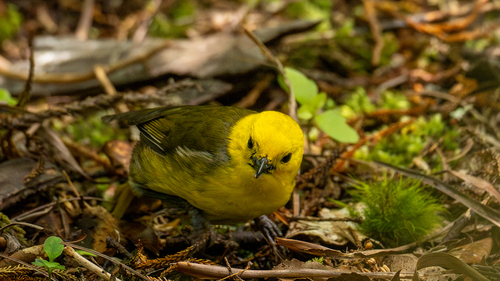 Yellowhead
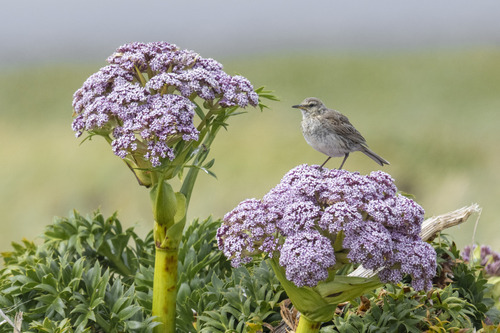 New Zealand Pipit
In breve
Il modo più affidabile per separare il Yellowhead dal New Zealand Pipit è attraverso la struttura generale e il piumaggio: il Yellowhead è un uccello compatto, di un giallo brillante, che vive nelle foreste, con un becco e una coda corti, mentre il New Zealand Pipit è un uccello snello, marrone striato, di campagna aperta, con una lunga coda che spesso agita. In volo o posato, il supercilium pallido del pipit, il petto striato e la coda con bordi bianchi sono distintivi, mentre il Yellowhead presenta un piumaggio uniforme giallo fino a giallo oliva senza forti striature o strisce facciali. Entrambe le specie sono simili per dimensioni, ma la loro forma, colorazione e preferenze di habitat rendono poco probabile la confusione con buone visuali.
Consigli di identificazione
- L'habitat è spesso decisivo: il Yellowhead si trova nelle chiome delle foreste native; il New Zealand Pipit è in campagna aperta. Se vedi un uccello a terra in prati, dune o terreni agricoli, è quasi certamente un pipit.
- Colore generale: il Yellowhead è di un giallo brillante sulla testa e sulle parti inferiori, con parti superiori giallo oliva; il pipit è marrone sopra con striature scure e pallido sotto con petto striato.
- Schema facciale: il pipit mostra un forte supercilium pallido (sopracciglio) e strisce scure malari/mustacchiali; il viso del Yellowhead è giallo uniforme senza forti marcature.
- Coda: il pipit ha una coda lunga e stretta con piume esterne bianche, spesso agitata su e giù; la coda del Yellowhead è più corta, semplice e non viene agitata.
- Becco e zampe: il pipit ha un becco sottile e appuntito e zampe lunghe di un marrone rosato; il becco del Yellowhead è corto e tozzo, le zampe non sono notevolmente lunghe.
- Comportamento: il pipit cammina o corre a terra, spesso fermandosi per agitare la coda; il Yellowhead cerca attivamente cibo sugli alberi, raramente a terra, e può unirsi a stormi di specie miste.
- Volo: le piume esterne bianche della coda del pipit sono visibili in volo; il Yellowhead non mostra bianco nella coda o nelle ali.
- Schema del petto: il petto del pipit è striato; le parti inferiori del Yellowhead sono gialle uniformi.
- Jizz: il pipit appare snello, allungato e eretto; il Yellowhead appare compatto e arrotondato.
- Dimensione del gruppo: il Yellowhead può essere visto in stormi rumorosi nella foresta; i pipit sono solitamente singoli o in gruppi sciolti in aree aperte.
- Stagionalità: non ci sono forti differenze di piumaggio stagionali per entrambe le specie; questi segni funzionano tutto l'anno.
- Età/sesso: non ci sono grandi differenze di età o sesso nei segni sul campo per entrambe le specie; tutte le età mostrano gli stessi contrasti chiave.
- Trappole: in scarsa illuminazione, le striature e il supercilium del pipit possono essere difficili da vedere, ma la lunga coda e il comportamento di ricerca a terra rimangono buoni indizi. Il giallo brillante del Yellowhead è distintivo tranne in condizioni di luce molto fioca.
- Simpatria: la sovrapposizione è minima a causa dell'habitat; la confusione è più probabile ai margini della foresta, ma comportamento e struttura rimangono affidabili.
- Dimensione: entrambe sono simili in massa, ma la coda e le zampe più lunghe del pipit lo fanno apparire più grande e più allungato sul campo.
Taglia
Entrambe le specie sono piccoli passeriformi, ma il New Zealand Pipit è leggermente più pesante (massa corporea ~32g contro ~28g del Yellowhead [wikidata]). Il pipit è anche più lungo (16–19 cm), apparendo più allungato a causa della sua lunga coda e zampe, mentre il Yellowhead è più compatto e arrotondato. Sul campo, la coda e le zampe più lunghe del pipit sono più evidenti rispetto alla piccola differenza nella massa corporea.
Piumaggio
Non sono descritti schemi di ali o di volo specifici per età per entrambe le specie, quindi concentrati sulla colorazione generale e sulle marcature. Il Yellowhead (tutte le età e i sessi) è di un giallo brillante sulla testa e sulle parti inferiori, con parti superiori giallo oliva e senza forti striature o marcature facciali. Al contrario, il New Zealand Pipit di tutte le età è di un marrone pallido sopra con striature scure, una parte inferiore pallida con petto striato, una forte striscia pallida sopra l'occhio (supercilium) e strisce scure malari/mustacchiali. La coda del pipit è lunga con piume esterne bianche, spesso agitata e mostrata in volo o quando è posata. Il Yellowhead non ha bianco nella coda e ha un viso semplice e senza marcature. Queste differenze sono coerenti tutto l'anno e tra le classi di età.
Comportamento
Il Yellowhead cerca spesso cibo in stormi rumorosi di specie miste nelle chiome delle foreste, muovendosi attivamente tra gli alberi e raramente visto a terra. Il New Zealand Pipit è un uccello solitario o associato in modo sciolto, tipicamente visto camminare o correre su terreno aperto, frequentemente agitando la sua coda. Il comportamento di ricerca a terra e di agitazione della coda del pipit è un forte indizio comportamentale, mentre le abitudini arboree e di stormo del Yellowhead sono distintive negli ambienti forestali.
Habitat
L'habitat è un separatore importante: il Yellowhead è strettamente un uccello di foresta, trovato in foreste native mature (soprattutto faggio), di solito nell'Isola del Sud. Il New Zealand Pipit preferisce la campagna aperta—prati, dune costiere, terreni agricoli e prati alpini—e evita le foreste dense. Se vedi un piccolo uccello in aree aperte, erbose o cespugliose, è quasi certamente un pipit; un uccello giallo brillante nella chioma della foresta è un Yellowhead.