

Motmot

キアオジ 対 オオジュリン

Emberiza citrinella 対 Emberiza schoeniclus

キアオジとオオジュリンのクイズ
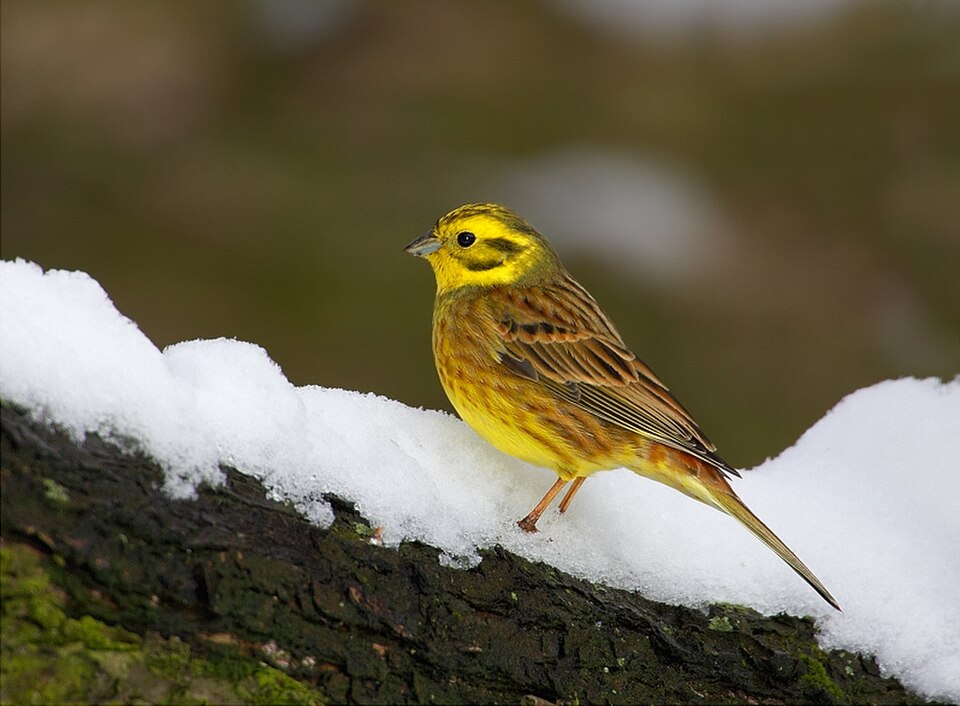
キアオジ (Emberiza citrinella) キアオジ
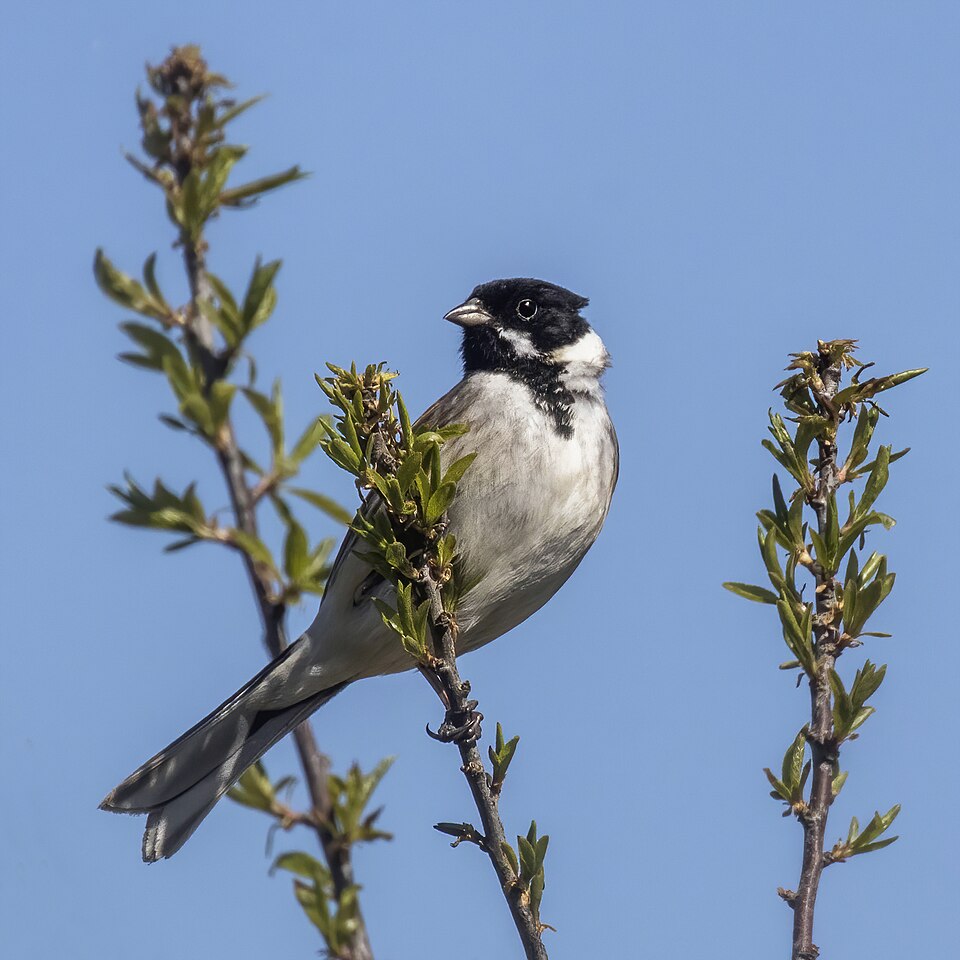
オオジュリン (Emberiza schoeniclus) オオジュリン

メディア

読み込み中…

要点

最も信頼できるフィールドマークは、オスのキアオジの明るい黄色の頭部と腹部であり、これは年齢や性別に関係なくオオジュリンには一致しません。それに対して、オスのオオジュリンは白い襟を持つ印象的な黒い頭部と喉を持ち、両種の雌と幼鳥はより鈍く、より縞模様が多く、混同が起こりやすくなります。幼鳥と雌のキアオジは常に少なくとも黄色がかった色合いと赤褐色の尾羽を示しますが、オオジュリンはより冷たい茶色で、下部はより重く縞模様が入っています。サイズと構造は重なりますが、キアオジはわずかに大きく、尾羽が長いです。疑わしい場合は、特に鈍い鳥において、頭の色、尾羽の色合い、腹部の明るさに注目してください。

識別のコツ

  1. オスの頭部パターン(繁殖期): オスのキアオジは明るい黄色の頭部と腹部を持ち、オオジュリンには一致しません。オスのオオジュリンは黒い頭部と喉を持ち、白い襟と白い腹部を持ち、黄色ではありません。
  2. 雌と幼鳥の混同: 両者は縞模様があり茶色ですが、キアオジは常に顔や腹部に少なくともいくつかの黄色がかった色合いと、より淡い赤褐色の尾羽を示します。オオジュリンはより冷たい茶色で、縞模様のある茶色の頭部とより重く縞模様のある腹部を持ち、黄色や赤褐色はありません。
  3. 尾羽の色: キアオジ(すべての年齢/性別)は栗色または赤褐色の尾羽を示し、特に飛行中や尾を振って止まっているときに明らかです。オオジュリンの尾羽は灰色がかった茶色で、赤褐色ではありません。
  4. 腹部の色: キアオジ(特にオス)は下部が明るい黄色です。雌/幼鳥はより淡いですが、依然として黄色がかった色合いを示します。オオジュリンは常に白またはクリーム色で、重い縞模様があり、黄色ではありません。
  5. 背中と上面: 両者は縞模様がある茶色ですが、キアオジの背中はより均一で、オオジュリンよりも重い縞模様が少ないです。
  6. 尾羽のパターン: 両者は白い外尾羽を持っていますが、これは信頼できる区別にはなりません。
  7. くちばしの形: 両者は種子を食べるためのくちばしを持っていますが、オオジュリンのくちばしは小さいが強力と説明されます。違いは微妙で、通常はフィールドで診断的ではありません。
  8. 歌: キアオジの歌は引き延ばされた音楽的なフレーズです。オオジュリンの歌は短く繰り返される「スリップ」です。歌っているオスがいる場合に役立ちます。
  9. 生息地の文脈: リードベッドや湿地では、オオジュリンの方が可能性が高く、特に繁殖期において。開けた農地や生け垣、特に歌っているオスがいる場合は、キアオジの方が可能性が高いです。
  10. 季節的な鈍さ: 冬には、両種とも明るいマーキングが少なくなりますが、キアオジは依然として黄色がかった色合いと赤褐色の尾羽を示し、オオジュリンは冷たく縞模様のままです。
  11. サイズと構造: キアオジはわずかに大きく、尾羽が長いですが、重なりがあるため、これはあくまで補助的な手がかりです。
  12. 止まっている行動: キアオジはしばしば高い場所に止まり、露出した場所から歌います。オオジュリンはより低い場所、特にリードの中で見られることが多いです。
  13. 飛行の特徴: 両者は波打つような飛行を持っていますが、キアオジは直接比較でより大きく、尾羽が長く見えることがあります。
  14. 混合群れ: 冬には、両者が農地で一緒に見られることがあります。各鳥を注意深く頭の色、尾羽、腹部の色合いを確認してください。
  15. 未熟な混同: 幼鳥のキアオジは鈍く、黄色が少ないですが、常にいくつかの黄色がかった色合いと赤褐色の尾羽を示します。オオジュリンの幼鳥は冷たい茶色で、重く縞模様があり、黄色や赤褐色はありません。

大きさ

キアオジは二種の中で大きい方で、長さは16〜16.5 cm、翼幅は23〜29.5 cm、体重は20〜36.5 gです [wikipedia]。オオジュリンは小さく、軽い方で、長さは13.5〜15.5 cm、体重は10〜28 gです [wikipedia]。フィールドでは、これによりキアオジはより大きく、尾羽が長く見えますが、重なりがあり、サイズだけでは常に信頼できるわけではありません、特に遠くや混合群れでは。

羽色

行動

両種はしばしば露出した枝やワイヤーに止まっているのが見られますが、キアオジのオスは生け垣や森林の端から目立つ止まり木で歌う可能性が高いです。オオジュリンはリードベッドや湿地に関連していることが多く、リードや低い茂みにしがみついているのが見られることがあります。両者の飛行は波打つようですが、直接比較ではキアオジがより尾羽が長く、より大きく見えることがあります。

生息環境

キアオジは生け垣、農地、森林の端のある開けた田舎を好みます。オオジュリンは湿地により密接に結びついており、リードベッド、湿地、湿った草地に生息しますが、農地や乾燥した低木でも見られることがあります、特に繁殖期以外では。冬には、両者が農地で混合群れで見られることがありますが、オオジュリンは湿ったり湿気のある生息地から遠く離れることはめったにありません。

声

キアオジの歌は特徴的で引き延ばされたシリーズで、しばしば「少しのパンとチーズなし」と表現され、高い止まり木から届けられます。オオジュリンの歌ははるかにシンプルで、繰り返しの短い「スリップ」または「ズィック」で、キアオジの音楽的な質は欠けています。呼び声はフィールドではあまり特徴的ではありませんが、キアオジの呼び声は柔らかく、より音色があり、オオジュリンは鋭い「ツィップ」を発します。

より良い説明を送る

比較と同じ項目を使ってください。文章はすぐに公開されます。

The most reliable field mark is the male Yellowhammer’s bright yellow head and underparts, which are never matched by Common Reed Bunting of any age or sex. In contrast, male Reed Buntings have a striking black head and throat with a white collar, while females and juveniles of both species are duller and more streaked, making confusion more likely. Juvenile and female Yellowhammers always show at least a yellowish tinge and a rufous rump, while Reed Buntings are colder brown and more heavily streaked below. Size and structure overlap, but Yellowhammer is slightly larger and longer-tailed. When in doubt, focus on head color, rump tone, and underpart brightness, especially in duller birds.

  1. Male head pattern (breeding season): Male Yellowhammer has a bright yellow head and underparts—never matched by Reed Bunting. Male Reed Bunting has a black head and throat with a white collar and white underparts, never yellow.
  2. Female and juvenile confusion: Both are streaky and brown, but Yellowhammer always shows at least some yellowish tinge on the face or underparts and a paler rufous rump. Reed Bunting is colder brown, with a streaked brown head and more heavily barred underparts, lacking yellow or rufous.
  3. Rump color: Yellowhammer (all ages/sexes) shows a chestnut or rufous rump, especially obvious in flight or when perched with tail flicks. Reed Bunting’s rump is grey-brown and not rufous.
  4. Underpart color: Yellowhammer (especially males) is bright yellow below; females/juveniles are paler but still show a yellowish wash. Reed Bunting is always white or buff below with heavy streaking, never yellow.
  5. Back and upperparts: Both are streaked brown, but Yellowhammer’s back is more uniform and less heavily barred than Reed Bunting, which is more coarsely streaked.
  6. Tail pattern: Both have white outer tail feathers, so this is not a reliable separator.
  7. Bill shape: Both have seed-eating bills, but Reed Bunting’s is described as small but powerful; differences are subtle and not usually diagnostic in the field.
  8. Song: Yellowhammer’s song is a drawn-out, musical phrase; Reed Bunting’s is a short, repetitive 'srip.' Useful if singing males are present.
  9. Habitat context: In reedbeds or marshes, Reed Bunting is more likely, especially in breeding season. In open farmland or hedgerows, especially with singing males, Yellowhammer is more probable.
  10. Seasonal dullness: In winter, both species are less brightly marked, but Yellowhammer still shows yellowish tones and rufous rump, while Reed Bunting remains cold and streaked.
  11. Size and structure: Yellowhammer is slightly larger and longer-tailed, but overlap means this is only a supporting clue.
  12. Perched behavior: Yellowhammer often perches high and sings from exposed spots; Reed Bunting is more often seen lower, especially in reeds.
  13. Flight jizz: Both have undulating flight, but Yellowhammer may appear bulkier and longer-tailed.
  14. Mixed flocks: In winter, both can occur together in farmland; check each bird carefully for head color, rump, and underpart tones.
  15. Immature confusion: Juvenile Yellowhammer is dull and less yellow, but always shows some yellowish tinge and rufous rump; Reed Bunting juveniles are cold brown, heavily streaked, and lack yellow or rufous.

Yellowhammer is the larger of the two: 16–16.5 cm in length with a 23–29.5 cm wingspan and weighing 20–36.5 g [wikipedia]. Common Reed Bunting is smaller and lighter: 13.5–15.5 cm long, weighing 10–28 g [wikipedia]. In the field, this translates to Yellowhammer appearing bulkier and longer-tailed, but there is overlap and size alone is not always reliable, especially at distance or in mixed flocks.

  • Juveniles and Females: Both can be confusingly streaked and dull, but juvenile/female Yellowhammers always show some yellowish tinge, especially on the face and underparts, and a paler rufous rump. Reed Buntings are colder brown, with a streaked brown head and more heavily barred underparts, lacking any yellow tones or rufous rump. Both lack the strong adult male head patterns, so focus on rump and subtle yellow hues for Yellowhammer.
  • Adult Males: Yellowhammer males are unmistakable with a bright yellow head, yellow underparts, streaked brown back, and chestnut/rufous rump. Reed Bunting males have a jet-black head and throat, white collar, white underparts, and a heavily streaked brown back—never yellow or rufous.
  • Seasonal Variation: Yellowhammer males are less bright outside the breeding season, as dark feather fringes obscure yellow, but still show more yellow than Reed Bunting. Females and juveniles of both species are duller in winter, but Yellowhammer retains yellowish hints and a rufous rump, while Reed Bunting remains cold and streaked.
  • Tail: Both species have white outer tail feathers, but this is not diagnostic between them.

Both species are often seen perched on exposed branches or wires, but Yellowhammer males are more likely to sing from prominent perches along hedgerows or woodland edges. Reed Buntings are more often associated with reedbeds and wet habitats, where they may be seen clinging to reeds or low bushes. Flight is undulating in both, but Yellowhammer may appear longer-tailed and bulkier in direct comparison.

Yellowhammer favors open countryside with hedgerows, farmland, and woodland edges. Reed Bunting is more closely tied to wet habitats—reedbeds, marshes, wet meadows—but can also be found in farmland and drier scrub, especially outside the breeding season. In winter, both may occur in mixed flocks in farmland, but Reed Bunting is rarely far from some wet or damp habitat.

Yellowhammer’s song is a distinctive, drawn-out series often rendered as 'a little bit of bread and no cheese,' delivered from a high perch. Reed Bunting’s song is much simpler: a repetitive, short 'srip' or 'zick,' lacking the musical quality of Yellowhammer. Calls are less distinctive in the field, but Yellowhammer’s are softer and more tinkling, while Reed Bunting gives a sharp 'tsip.'

変更を破棄しますか?

保存していない編集があります。今離れると失われます。

キアオジ · オオジュリン · 苦手な鳥