

Zigolo giallo vs Migliarino di palude
Emberiza citrinella contro Emberiza schoeniclus
Fai un quiz con Zigolo giallo e Migliarino di palude
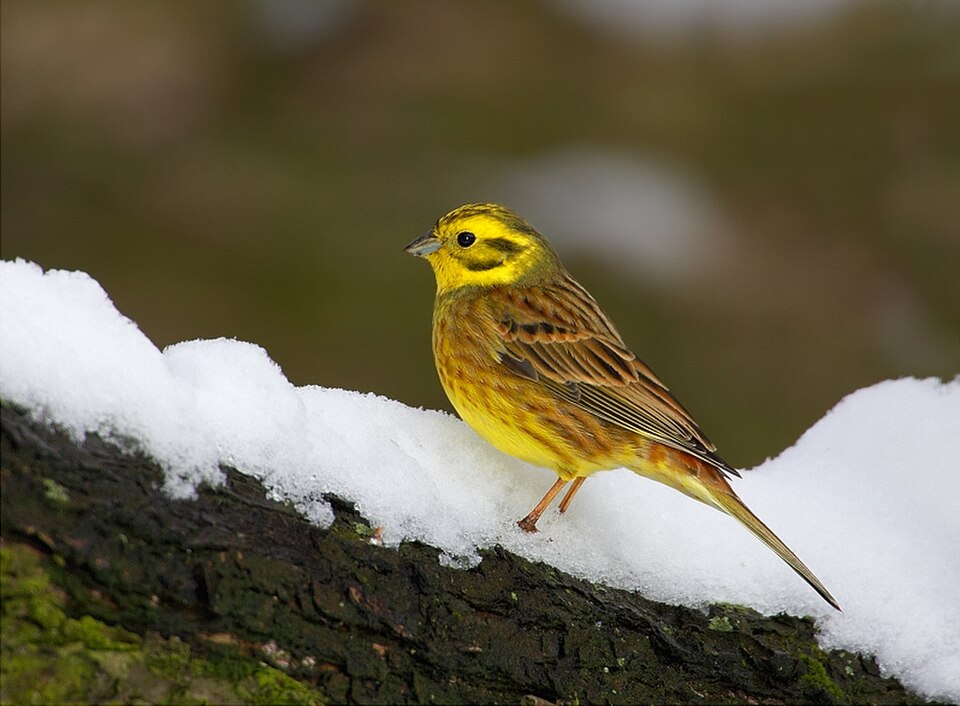 Zigolo giallo
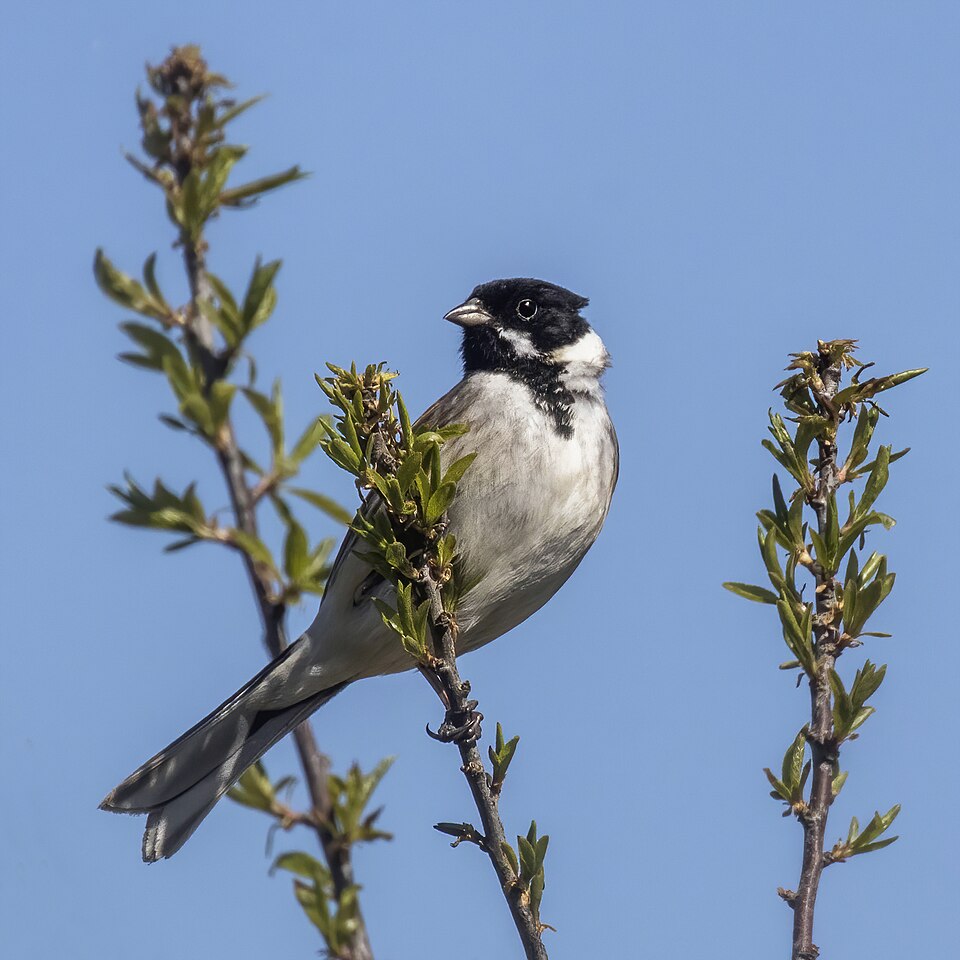 Migliarino di palude
In breve
Il segno distintivo più affidabile è la testa e le parti inferiori gialle brillanti del maschio Zigolo giallo, che non sono mai eguagliate dal Migliarino di palude di qualsiasi età o sesso. Al contrario, i maschi Migliarini di palude hanno una testa e una gola nere sorprendenti con un collare bianco, mentre le femmine e i giovani di entrambe le specie sono più opachi e più striati, rendendo più probabile la confusione. I giovani e le femmine di Zigolo giallo mostrano sempre almeno una sfumatura giallastra e un sottocoda ruggine, mentre i Migliarini di palude sono di un marrone più freddo e più pesantemente striati sotto. Dimensioni e struttura si sovrappongono, ma il Zigolo giallo è leggermente più grande e con una coda più lunga. In caso di dubbio, concentrati sul colore della testa, sul tono del sottocoda e sulla luminosità delle parti inferiori, specialmente nei uccelli più opachi.
Consigli di identificazione
- Schema della testa maschile (stagione di riproduzione): Il maschio Zigolo giallo ha una testa e parti inferiori gialle brillanti—mai eguagliate dal Migliarino di palude. Il maschio Migliarino di palude ha una testa e una gola nere con un collare bianco e parti inferiori bianche, mai gialle.
- Confusione tra femmine e giovani: Entrambi sono striati e marroni, ma il Zigolo giallo mostra sempre almeno una sfumatura giallastra sul viso o sulle parti inferiori e un sottocoda ruggine più chiaro. Il Migliarino di palude è di un marrone più freddo, con una testa marrone striata e parti inferiori più pesantemente barrate, prive di giallo o ruggine.
- Colore del sottocoda: Il Zigolo giallo (tutte le età/sessi) mostra un sottocoda castano o ruggine, soprattutto evidente in volo o quando è posato con le code che si muovono. Il sottocoda del Migliarino di palude è grigio-marrone e non ruggine.
- Colore delle parti inferiori: Il Zigolo giallo (soprattutto i maschi) è giallo brillante sotto; le femmine/giovani sono più chiare ma mostrano ancora una sfumatura giallastra. Il Migliarino di palude è sempre bianco o color crema sotto con pesanti striature, mai giallo.
- Schiena e parti superiori: Entrambi sono striati di marrone, ma la schiena del Zigolo giallo è più uniforme e meno pesantemente barrata rispetto al Migliarino di palude, che è più grossolanamente striato.
- Schema della coda: Entrambi hanno piume esterne della coda bianche, quindi questo non è un separatore affidabile.
- Forma del becco: Entrambi hanno becchi per mangiare semi, ma quello del Migliarino di palude è descritto come piccolo ma potente; le differenze sono sottili e di solito non diagnostiche sul campo.
- Canto: Il canto del Zigolo giallo è una frase musicale prolungata; il canto del Migliarino di palude è un breve e ripetitivo 'srip.' Utile se sono presenti maschi che cantano.
- Contesto dell'habitat: Nei canneti o nelle paludi, è più probabile trovare il Migliarino di palude, soprattutto durante la stagione di riproduzione. In terreni agricoli aperti o siepi, soprattutto con maschi che cantano, è più probabile trovare il Zigolo giallo.
- Opacità stagionale: In inverno, entrambe le specie sono meno vivacemente contrassegnate, ma il Zigolo giallo mostra ancora toni giallastri e un sottocoda ruggine, mentre il Migliarino di palude rimane freddo e striato.
- Dimensioni e struttura: Il Zigolo giallo è leggermente più grande e con una coda più lunga, ma la sovrapposizione significa che questo è solo un indizio di supporto.
- Comportamento in posa: Il Zigolo giallo spesso si posa in alto e canta da punti esposti; il Migliarino di palude è più spesso visto più in basso, soprattutto nei canneti.
- Volo: Entrambi hanno un volo ondulato, ma il Zigolo giallo può apparire più massiccio e con una coda più lunga.
- Stormi misti: In inverno, entrambe le specie possono trovarsi insieme in terreni agricoli; controlla ogni uccello attentamente per il colore della testa, del sottocoda e delle tonalità delle parti inferiori.
- Confusione tra immaturi: Il giovane Zigolo giallo è opaco e meno giallo, ma mostra sempre una sfumatura giallastra e un sottocoda ruggine; i giovani Migliarini di palude sono di un marrone freddo, pesantemente striati e privi di giallo o ruggine.
Taglia
Zigolo giallo is the larger of the two: 16–16.5 cm in length with a 23–29.5 cm wingspan and weighing 20–36.5 g [wikipedia]. Migliarino di palude is smaller and lighter: 13.5–15.5 cm long, weighing 10–28 g [wikipedia]. In the field, this translates to Zigolo giallo appearing bulkier and longer-tailed, but there is overlap and size alone is not always reliable, especially at distance or in mixed flocks.
Piumaggio
- Juveniles and Females: Both can be confusingly streaked and dull, but juvenile/female Yellowhammers always show some yellowish tinge, especially on the face and underparts, and a paler rufous rump. Reed Buntings are colder brown, with a streaked brown head and more heavily barred underparts, lacking any yellow tones or rufous rump. Both lack the strong adult male head patterns, so focus on rump and subtle yellow hues for Zigolo giallo.
- Adult Males: Zigolo giallo males are unmistakable with a bright yellow head, yellow underparts, streaked brown back, and chestnut/rufous rump. Reed Bunting males have a jet-black head and throat, white collar, white underparts, and a heavily streaked brown back—never yellow or rufous.
- Seasonal Variation: Zigolo giallo males are less bright outside the breeding season, as dark feather fringes obscure yellow, but still show more yellow than Reed Bunting. Females and juveniles of both species are duller in winter, but Zigolo giallo retains yellowish hints and a rufous rump, while Reed Bunting remains cold and streaked.
- Tail: Both species have white outer tail feathers, but this is not diagnostic between them.
Comportamento
Entrambe le specie sono spesso viste posate su rami o fili esposti, ma i maschi Zigolo giallo sono più propensi a cantare da posatoi prominenti lungo siepi o margini boschivi. I Migliarini di palude sono più spesso associati a canneti e habitat umidi, dove possono essere visti aggrappati a canne o cespugli bassi. Il volo è ondulato in entrambi, ma il Zigolo giallo può apparire con una coda più lunga e massiccia in un confronto diretto.
Habitat
Il Zigolo giallo predilige la campagna aperta con siepi, terreni agricoli e margini boschivi. Il Migliarino di palude è più strettamente legato agli habitat umidi—canneti, paludi, prati umidi—ma può anche essere trovato in terreni agricoli e cespugli più secchi, soprattutto al di fuori della stagione di riproduzione. In inverno, entrambe le specie possono verificarsi in stormi misti in terreni agricoli, ma il Migliarino di palude è raramente lontano da qualche habitat umido o umido.
Voce
Il canto del Zigolo giallo è una serie distintiva e prolungata spesso resa come 'un po' di pane e niente formaggio,' eseguita da un posatoio alto. Il canto del Migliarino di palude è molto più semplice: un 'srip' o 'zick' ripetitivo e breve, privo della qualità musicale del Zigolo giallo. I richiami sono meno distintivi sul campo, ma quelli del Zigolo giallo sono più morbidi e più tintinnanti, mentre il Migliarino di palude emette un 'tsip' acuto.
Zigolo giallo · Migliarino di palude · I miei uccelli difficili