

Motmot

キアシセグロカモメ 対 アルメニアセグロカモメ

Larus michahellis 対 Larus armenicus

キアシセグロカモメとアルメニアセグロカモメのクイズ
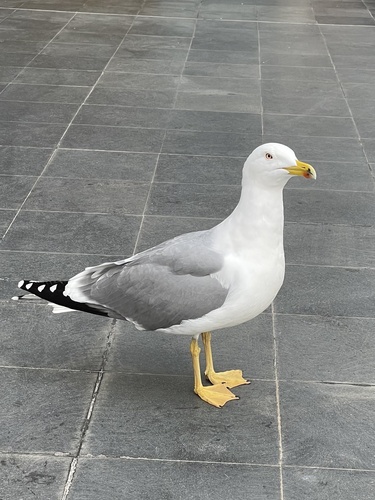
キアシセグロカモメ (Larus michahellis) キアシセグロカモメ
アルメニアセグロカモメ (Larus armenicus) アルメニアセグロカモメ

メディア

読み込み中…

要点

アルメニアセグロカモメとキアシセグロカモメを区別する最も信頼できるフィールドマークは、成鳥のくちばしの模様です:アルメニアセグロカモメは強い黒の亜端帯を持つ短いくちばしを示し、キアシセグロカモメは赤い斑点のある長いくちばしを持ちますが、黒の帯はありません。初冬の鳥では、両者ともに狭く鋭く定義された黒い尾帯を持っていますが、アルメニアセグロカモメは全体的に暗い茶色で、尻と内側の初列風切羽がより明るいです。アルメニアセグロカモメはやや小さく、暗い背羽と翼先に広がる黒が多く、成鳥では暗い目を持っています。両種は中東では混乱を招くことがありますが、くちばしの模様、背羽の色合い、目の色に注意を払うことで、通常は識別が可能です。

識別のコツ

  1. Bill pattern (adults): アルメニアセグロカモメは目立つ黒の亜端帯を持つ短くて太いくちばしを持ち、キアシセグロカモメは赤い斑点のある長いくちばしを持ちますが、黒の帯はありません。これは成鳥において最も良いマークです。
  2. Bill shape: アルメニアのくちばしは全ての年齢で短くてコンパクトですが、キアシセグロカモメのくちばしは特にオスで長くて重いです。
  3. Eye color (adults): アルメニアセグロカモメは暗い目を持ち、キアシセグロカモメは通常、赤い眼窩環を持つ淡い黄色の目を持っています。これは繁殖期の成鳥において信頼できます。
  4. Mantle color: アルメニアセグロカモメの背羽はキアシセグロカモメよりもわずかに暗い灰色ですが、ニシセグロカモメよりは明るいです。これは並べて見るか、経験によって最もよく判断されます。
  5. Wingtip pattern (adults): アルメニアセグロカモメは翼先により広範囲の黒を持ち、小さな白い斑点があります;キアシセグロカモメは黒が少なく、大きな白い鏡があります。これは微妙ですが、良い飛行視点や翼を広げた止まっている鳥で見ることができます。
  6. Head color (autumn): キアシセグロカモメは秋に頭が非常に白くなりますが、アルメニアセグロカモメはより多くの縞模様を保持します。
  7. Leg color: 両者は成鳥として黄色がかった脚を持っていますが、アルメニアの脚は鈍いか、より肉色に見えることがあります。特に悪い光の中では常に信頼できるわけではありません。
  8. First-winter/juvenile plumage: アルメニアセグロカモメは全体的に暗い茶色で、尻がより明るく、内側の初列風切羽が淡いです;キアシセグロカモメは頭、尻、腹部がより淡いです。両者ともに狭く鋭く定義された黒い尾帯を持っています。
  9. Second-winter birds: アルメニアは暗い目と黒いくちばしの帯を保持します;キアシセグロカモメはより淡く、くちばしに赤い斑点があり、脚も淡くなります。
  10. Size and structure: アルメニアセグロカモメはより小さくてコンパクトで、短いくちばしとあまり bulky でない体型を持っています;キアシセグロカモメは特にオスで大きく、長い翼を持っているように見えることがあります。
  11. Habitat context: アルメニアセグロカモメはコーカサスと中東の大きな内陸湖で最も見られ、キアシセグロカモメはヨーロッパと地中海でより沿岸的で都市的です。典型的な範囲から遠く離れている場合は、すべてのマークを注意深く確認してください。
  12. Tail band (immatures): 両者は初冬に鋭く定義された黒い尾帯を示しますが、アルメニアのものはしばしば狭く、より鋭く区切られています。
  13. Primary pattern (immatures): アルメニアは淡い内側の初列風切羽を持ち、飛行中に翼の残りの部分と対比することがあります;キアシセグロカモメのものは全体的に暗いです。
  14. Confusion risk: 両種はカモメとニシセグロカモメと混同されることがあります;結論を出す前に、特にくちばしの模様と目の色を確認してください。
  15. Seasonal changes: 一部のマーク(頭の縞模様や脚の色など)は季節や年齢によって変化します;最も一貫した区別のために、くちばしの模様、目の色、翼先の模様を優先してください。

大きさ

アルメニアセグロカモメは2種の中で小さい方ですが、両者ともに大きなカモメです。アルメニアセグロカモメは長さ52〜62 cm、翼幅120〜145 cmで、典型的な成鳥の質量は約1000 gです。キアシセグロカモメは平均して大きく、長さ52〜68 cm、翼幅120〜155 cmで、質量範囲は550〜1600 gです。フィールドでは、サイズの違いは微妙であり、くちばしや羽毛の特徴よりも役に立たないことが多いですが、アルメニアセグロカモメは特に大きなオスのキアシセグロカモメと比較して、よりコンパクトであまり bulky でないように見える傾向があります。

羽色

行動

両種は雑食性で機会主義的であり、ゴミ捨て場、港、海岸で餌を探し、必要に応じて捕食者になることがあります。情報源には、餌の取り方や飛行スタイルにおいて強い行動の違いは記載されていません。両者はコロニーで繁殖し、都市部の建物に巣を作ることができますが、これは西ヨーロッパではキアシセグロカモメにより頻繁に見られます。

生息環境

キアシセグロカモメはヨーロッパ、中東、北アフリカに広く分布し、沿岸、港、そして都市環境でますます見られます。アルメニアセグロカモメはコーカサスと中東に制限されており、主に大きな内陸湖や貯水池の周りに生息しています。彼らの分布は通常重なりませんが、漂流や冬の移動によって接触することがあります、特に東地中海と中東で。

より良い説明を送る

比較と同じ項目を使ってください。文章はすぐに公開されます。

The most reliable field mark to separate Yellow-legged Gull from Armenian Gull is the bill pattern in adults: Armenian Gull shows a short bill with a strong black subterminal band, while Yellow-legged Gull has a longer bill with a red spot but no black band. For first-winter birds, both have a narrow, sharply defined black tail band, but Armenian Gull is overall darker brown with a paler rump and pale inner primaries. Armenian Gull is slightly smaller, with a darker mantle and more extensive black on the wingtips, plus a dark eye in adults. Both species can be confusing in the Middle East, but careful attention to bill pattern, mantle shade, and eye color will usually clinch the ID.

  1. Bill pattern (adults): Armenian Gull has a short, stubby bill with a prominent black subterminal band; Yellow-legged Gull has a longer bill with a red spot but no black band. This is the single best mark in adults.
  2. Bill shape: Armenian's bill is shorter and more compact at all ages, while Yellow-legged's is longer and heavier, especially in males.
  3. Eye color (adults): Armenian Gull has a dark eye; Yellow-legged Gull usually has a pale yellow eye with a red orbital ring. This is reliable in breeding adults.
  4. Mantle color: Armenian Gull's mantle is slightly darker grey than Yellow-legged's, but lighter than Lesser Black-backed. This is best judged side-by-side or with experience.
  5. Wingtip pattern (adults): Armenian Gull has more extensive black on the wingtips with smaller white spots; Yellow-legged Gull has less black and larger white mirrors. This is subtle but can be seen in good flight views or perched birds with spread wings.
  6. Head color (autumn): Yellow-legged Gull is much whiter-headed in autumn, while Armenian Gull retains more streaking.
  7. Leg color: Both have yellowish legs as adults, but Armenian's can be duller or more flesh-toned. Not always reliable, especially in poor light.
  8. First-winter/juvenile plumage: Armenian Gull is overall darker brown with a paler rump and pale inner primaries; Yellow-legged Gull is paler on the head, rump, and underparts. Both have a narrow, sharply defined black tail band.
  9. Second-winter birds: Armenian retains a dark eye and black bill band; Yellow-legged is paler, with a red spot on the bill and paler legs.
  10. Size and structure: Armenian Gull is smaller and more compact, with a shorter bill and less bulky build; Yellow-legged can appear larger and longer-winged, especially in males.
  11. Habitat context: Armenian Gull is most likely at large inland lakes in the Caucasus and Middle East; Yellow-legged is more coastal and urban in Europe and the Mediterranean. If far from typical range, check all marks carefully.
  12. Tail band (immatures): Both show a sharply defined black tail band in first-winter, but Armenian's is often narrower and more sharply demarcated.
  13. Primary pattern (immatures): Armenian has pale inner primaries, which can contrast with the rest of the wing in flight; Yellow-legged's are darker overall.
  14. Confusion risk: Both species can be confused with Herring and Lesser Black-backed Gulls; always check multiple features, especially bill pattern and eye color, before concluding.
  15. Seasonal changes: Some marks (like head streaking and leg color) vary with season and age; prioritize bill pattern, eye color, and wingtip pattern for the most consistent separation.

Armenian Gull is the smaller of the two, though both are large gulls. Armenian Gull measures 52–62 cm in length and 120–145 cm in wingspan, with a typical adult mass around 1000 g. Yellow-legged Gull is larger on average, ranging from 52–68 cm in length and 120–155 cm in wingspan, with a broader mass range (550–1600 g). In the field, the size difference may be subtle and is often less useful than bill or plumage features, but Armenian Gull tends to look more compact and less bulky, especially compared to large male Yellow-legged Gulls.

  • First-winter/juvenile: Both species show a narrow, sharply defined black tail band, but Armenian Gull is overall darker brown, with a paler rump and pale inner primaries. Yellow-legged Gull juveniles have a paler head, rump, and underparts, and resemble Great Black-backed Gulls more than Armenian. Both have dark bills and eyes at this age, but Armenian's bill is shorter and stubbier.
  • Second winter: Armenian Gull begins to show a short bill with a black band, and the dark eye persists. Yellow-legged Gull is paler overall, with a longer bill that develops a red spot but lacks a black band; legs become light yellow-flesh.
  • Adult: Armenian Gull has a slightly darker grey back, more extensive black on the wingtips with smaller white spots, a short bill with a strong black band before the tip, and a dark eye. Yellow-legged Gull has a paler grey back (darker than Herring, lighter than Lesser Black-backed), a longer bill with a red spot (no black band), yellow legs, and a red orbital ring. Armenian's head is less white in autumn than Yellow-legged.

Both species are omnivorous and opportunistic, foraging at rubbish tips, harbors, and coastlines, and can be predatory if needed. There are no strong behavioral differences in foraging or flight style noted in the sources. Both breed in colonies and can nest on buildings in urban areas, but this is more frequently noted for Yellow-legged Gull in Western Europe.

Yellow-legged Gull is widespread in Europe, the Middle East, and North Africa, often found along coasts, harbors, and increasingly in urban settings. Armenian Gull is restricted to the Caucasus and Middle East, mainly around large inland lakes and reservoirs. Their ranges do not typically overlap, but vagrancy and winter movements can bring them into contact, especially in the eastern Mediterranean and Middle East.

変更を破棄しますか?

保存していない編集があります。今離れると失われます。

キアシセグロカモメ · アルメニアセグロカモメ · 苦手な鳥