

Motmot

キバシオナガガモ 対 カオジロブロンズトキ

Anas georgica 対 Plegadis chihi

キバシオナガガモとカオジロブロンズトキのクイズ
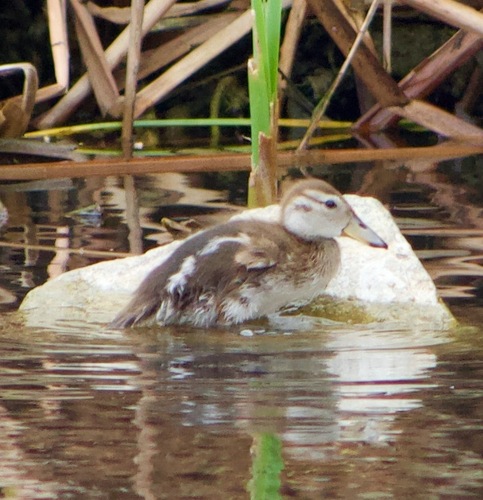
キバシオナガガモ (Anas georgica) キバシオナガガモ
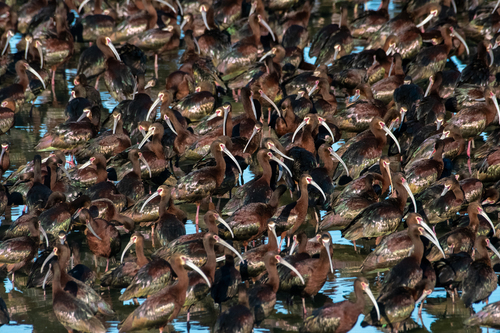
カオジロブロンズトキ (Plegadis chihi) カオジロブロンズトキ

メディア

読み込み中…

要点

キバシオナガガモとカオジロブロンズトキを分ける最も信頼できる方法は、全体の構造とくちばしの形です:キバシオナガガモは短い首と広く平らなくちばしを持つ典型的な水面で採餌するカモであり、カオジロブロンズトキは細長い脚を持つ水辺の鳥で、細く強く曲がった灰色のくちばしを持っています。飛んでいるときや休んでいるとき、キバシオナガガモは茶色がかった尖った尾と黒っぽい緑の二次羽を持つ灰色がかった茶色の上翼を示し、カオジロブロンズトキの均一な暗い、虹色の羽毛と長い後ろ脚と対照的です。幼鳥や非繁殖のカオジロブロンズトキは繁殖期の成鳥の白い顔の境界を欠いていますが、形状や採餌行動は依然として特徴的です。両種は南アメリカの湿地に生息することがありますが、採餌スタイルや姿勢は劇的に異なります。

識別のコツ

  1. Bill shape and color: キバシオナガガモは黒い先端と中央のストライプを持つ広く平らなくちばしを持ち、カオジロブロンズトキは長く細い曲がった灰色のくちばしを持っています。これは年齢や季節に関係なく最も即時のフィールドマークです。
  2. Leg length and posture: カオジロブロンズトキは非常に長い脚を持ち、歩いたり飛んだりするときに尾を超えてよく見えます;キバシオナガガモは体の下に短い脚を持ち、飛んでいるときに尾を引きずることはありません。
  3. Neck length and carriage: カオジロブロンズトキは飛んでいるときや採餌しているときに伸ばされた長い首を持ち、キバシオナガガモは水中でも飛んでいるときも短い首を持っています。
  4. Tail shape: キバシオナガガモは特に飛んでいるときや羽繕いをしているときに明らかな茶色がかった尖った尾を示します。カオジロブロンズトキは短く丸い尾を持ち、長い脚によってしばしば隠れています。
  5. Wing and body pattern: キバシオナガガモの上翼は灰色がかった茶色で黒っぽい緑の二次羽を持ち、体はバフ茶色で黒い斑点があります。カオジロブロンズトキは全体的に暗く、微妙な茶色の虹色があり、翼のパネルや対照的な二次羽はありません。
  6. Facial pattern (adults, breeding): 繁殖期のカオジロブロンズトキは白い羽毛の境界を持つピンクの裸の顔と赤い目を持ち、キバシオナガガモは常に裸の皮膚や白い境界を持たない羽毛のある茶色の頭を持っています。
  7. Plumage (all ages): キバシオナガガモはまだらで斑点があり、決して虹色ではありません。カオジロブロンズトキは均一な暗い茶色で、良い光の中で金属的な光沢を持ち、決して斑点や縞模様はありません。
  8. Flight silhouette: カオジロブロンズトキは首と脚を伸ばして飛び、長く伸びた輪郭を形成します。キバシオナガガモは首を引っ込めて尖った尾を持って飛び、コンパクトでカモのような形を与えます。
  9. Feeding behavior: キバシオナガガモは水面で採餌したり、頭を下げたりします;カオジロブロンズトキは泥や浅い水を探り、泳ぐことはほとんどありません。
  10. Group size: キバシオナガガモは通常、単独または小さな群れで見られます;カオジロブロンズトキはしばしば大きな緩く組織された群れで採餌し、飛びます。
  11. Habitat context: 鳥が密な湿地の植生の中で他の鳥と一緒に歩いている場合、カオジロブロンズトキの可能性が高いです。開水面に浮かんでいる場合、キバシオナガガモが期待されます。
  12. Leg color: 繁殖期のカオジロブロンズトキは赤みがかった脚を持っていますが、これはIDのための構造よりも信頼性が低いです。
  13. Eye color (adults): カオジロブロンズトキの成鳥は年間を通じて赤い目を持ち、キバシオナガガモは暗い目を持っています。
  14. Juvenile confusion: 幼鳥のカオジロブロンズトキは白い顔を欠いていますが、くちばし、脚、姿勢によってキバシオナガガモとは構造的に異なります。
  15. When marks fail: 極端な距離や悪い光の中では、微妙な羽毛や色よりも構造(くちばし、首、脚)や行動(採餌 vs. 探り)に頼ってください。

大きさ

カオジロブロンズトキは典型的な水面で採餌するカモよりも明らかに重く(成鳥の質量は約613g [wikidata])および長い(46–56 cmの長さ、90–93 cmの翼幅 [wikipedia])ですが、キバシオナガガモは中型のカモであり、距離によっては体積が似て見えることがあります。カオジロブロンズトキの長い脚と首は、特に歩いたり水辺にいるときに、より細長く高く見えますが、キバシオナガガモはコンパクトで水平な姿勢を持っています。飛んでいるとき、カオジロブロンズトキの長い首と脚は体を超えてよく突き出ており、キバシオナガガモの短い首と尾を突き出したシルエットとは異なります。

羽色

行動

キバシオナガガモは典型的な水面で採餌するカモのように振る舞います:水に浮かび、頭を下げて採餌し、陸上ではぎこちなく歩きます。大きな群れを形成することはほとんどありません。カオジロブロンズトキは典型的な水辺の鳥で、長いくちばしで泥を探り、浅い水を優雅に歩き、しばしば群れで見られます。飛んでいるとき、カオジロブロンズトキは首と脚を伸ばして飛び、しばしば緩い列やV字編成で飛びますが、キバシオナガガモはよりコンパクトでカモのような飛行プロファイルを持ち、急速な羽ばたきと尖った尾を持っています。

生息環境

両種は湿地を利用しますが、好ましい微生息地と採餌スタイルは異なります。キバシオナガガモは高地の湖から低地の川や開放的な海岸までのさまざまな湿地タイプに生息し、通常は開水面や湿地の端にいます。カオジロブロンズトキは密な出現植物のある湿地で繁殖し、採餌し、しばしば低木や低木に巣を作り、浅い水や泥の干潟で歩いているのが見られる可能性が高いです。南アメリカの湿地での重複は可能ですが、行動や微生息地の利用は異なります。

より良い説明を送る

比較と同じ項目を使ってください。文章はすぐに公開されます。

The most reliable way to separate Yellow-billed Pintail from White-faced Ibis is by overall structure and bill shape: the pintail is a classic dabbling duck with a short neck and broad, flat yellow bill, while the ibis is a long-legged wader with a slender, strongly decurved gray bill. In flight or at rest, the pintail shows a brownish, pointed tail and a grayish-brown upperwing with blackish-green secondaries, contrasting with the ibis’s uniform dark, iridescent plumage and long trailing legs. Juvenile and non-breeding ibises lack the white facial border of breeding adults, but their shape and feeding behavior remain distinctive. Both species may occur in South American wetlands, but their foraging styles and posture are dramatically different.

  1. Bill shape and color: Yellow-billed Pintail has a broad, flat yellow bill with a black tip and central stripe; White-faced Ibis has a long, slender, decurved gray bill. This is the most immediate field mark at any age or season.
  2. Leg length and posture: Ibises have very long legs, often visible well beyond the tail when walking or flying; pintails have short legs tucked under the body, never trailing in flight.
  3. Neck length and carriage: Ibises have long necks held outstretched in flight and while feeding; pintails have short necks, both on water and in flight.
  4. Tail shape: Yellow-billed Pintail shows a pointed, brownish tail, especially obvious in flight or when preening. Ibises have short, rounded tails, often obscured by long legs.
  5. Wing and body pattern: Pintail upperwing is grayish-brown with blackish-green secondaries, and the body is buff-brown with black spots. Ibises are overall dark with a subtle brownish iridescence, lacking any wing panels or contrasting secondaries.
  6. Facial pattern (adults, breeding): Breeding White-faced Ibis has a pink bare face with a white feather border and red eyes; pintail always has a feathered brown head with no bare skin or white border.
  7. Plumage (all ages): Pintail is mottled and spotted, never iridescent. Ibis is uniform dark brownish with a metallic sheen in good light, never spotted or streaked.
  8. Flight silhouette: Ibises fly with neck and legs extended, forming a long, stretched outline. Pintails fly with neck retracted and a pointed tail, giving a compact, duck-like shape.
  9. Feeding behavior: Pintails dabble or tip-up on water; ibises probe in mud or shallow water, rarely swimming.
  10. Group size: Pintails are usually seen singly or in small groups; ibises often feed and fly in larger, loosely organized flocks.
  11. Habitat context: If the bird is wading in dense marsh vegetation, especially with others, ibis is more likely. If floating on open water, pintail is expected.
  12. Leg color: Breeding ibises have redder legs, but this is less reliable than structure for ID.
  13. Eye color (adults): White-faced Ibis adults have red eyes year-round; pintail has dark eyes.
  14. Juvenile confusion: Juvenile ibises lack the white face but are still structurally distinct from pintail by bill, legs, and posture.
  15. When marks fail: At extreme distance or in poor light, rely on structure (bill, neck, legs) and behavior (dabbling vs. probing) rather than subtle plumage or color.

White-faced Ibis is notably heavier (adult mass ~613g [wikidata]) and longer (46–56 cm length, 90–93 cm wingspan [wikipedia]) than a typical dabbling duck, but the Yellow-billed Pintail is still a medium-sized duck and may appear similar in bulk at a distance. The ibis’s long legs and neck make it appear lankier and taller, especially when walking or wading, while the pintail is compact with a horizontal carriage. In flight, the ibis’s long neck and legs project well beyond the body, unlike the pintail’s short neck and tail-projected silhouette.

  • Juvenile/immature wing pattern: No sources describe distinctive juvenile upperwing patterns for either species, so separation relies on overall plumage and structure at all ages.
  • Yellow-billed Pintail: Shows a brownish, pointed tail, grayish-brown upperwing, and blackish-green secondaries. The body is buff-brown with black spots, and the head/neck are brown. The bill is yellow with a black tip and central stripe. No seasonal or sex-based plumage differences are noted.
  • White-faced Ibis: Adult breeding birds have a pink bare face bordered with white feathers, red eyes, and redder legs. Non-breeding and juvenile birds lack the white facial border and are overall dark, with a warmer brownish iridescence compared to Glossy Ibis. The bill is long, slender, and gray. Juveniles are nearly identical to Glossy Ibis but still differ from pintail by structure and color. No distinctive upperwing markings are described for any age.

Yellow-billed Pintail behaves like a typical dabbling duck: it floats on the water, tips up to feed, and walks awkwardly on land. It rarely forms large flocks. White-faced Ibis is a classic wader, feeding by probing in mud with its long bill, walking gracefully through shallow water, and often seen in groups. In flight, ibises fly with neck and legs outstretched, often in loose lines or V-formations, while pintails have a more compact, duck-like flight profile with rapid wingbeats and a pointed tail.

Both species use wetlands, but their preferred microhabitats and foraging styles differ. Yellow-billed Pintail is found in a range of wetland types from high-elevation lakes to lowland rivers and open coasts, usually in open water or marshy edges. White-faced Ibis breeds and forages in marshes with dense emergent vegetation, often nesting in bushes or low trees, and is more likely to be seen wading in shallow water or mudflats. Overlap is possible in South American marshes, but their behavior and microhabitat use are distinct.

変更を破棄しますか?

保存していない編集があります。今離れると失われます。

キバシオナガガモ · カオジロブロンズトキ · 苦手な鳥