

Ánade Maicero vs Morito Cariblanco
Anas georgica frente a Plegadis chihi
Juega un quiz con Ánade Maicero y Morito Cariblanco
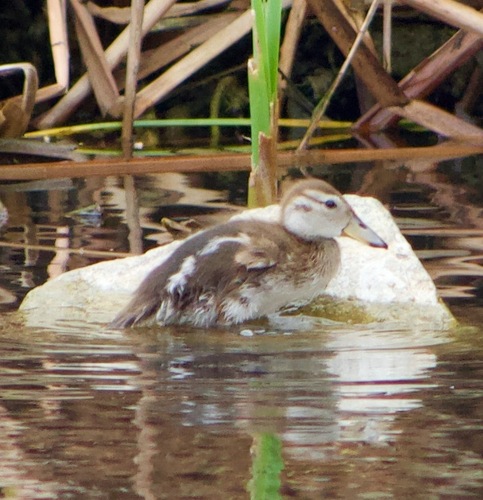 Ánade Maicero
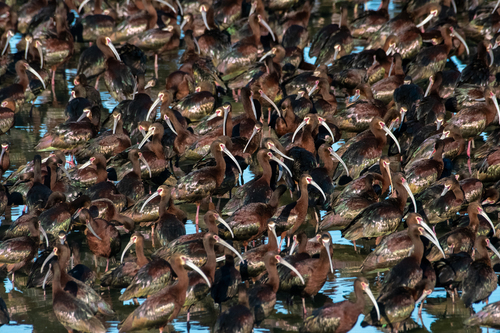 Morito Cariblanco
En breve
La forma más confiable de separar el Ánade Maicero del Morito Cariblanco es por la estructura general y la forma del pico: el ánade es un pato de superficie clásico con un cuello corto y un pico amarillo ancho y plano, mientras que el ibis es un zancudo de patas largas con un pico gris delgado y fuertemente curvado. En vuelo o en reposo, el ánade muestra una cola puntiaguda y marrón y un ala superior marrón grisáceo con secundarias verde negruzco, contrastando con el plumaje oscuro e iridiscente y las largas patas del ibis. Los ibis juveniles y no reproductores carecen del borde facial blanco de los adultos reproductores, pero su forma y comportamiento alimenticio siguen siendo distintivos. Ambas especies pueden ocurrir en humedales sudamericanos, pero sus estilos de forrajeo y postura son dramáticamente diferentes.
Consejos de identificación
- Forma y color del pico: El Ánade Maicero tiene un pico amarillo ancho y plano con una punta negra y una franja central; el Morito Cariblanco tiene un pico gris largo, delgado y curvado. Esta es la marca de campo más inmediata a cualquier edad o temporada.
- Longitud de las patas y postura: Los ibis tienen patas muy largas, a menudo visibles más allá de la cola al caminar o volar; los ándanes tienen patas cortas metidas bajo el cuerpo, nunca arrastrándose en vuelo.
- Longitud del cuello y porte: Los ibis tienen cuellos largos mantenidos extendidos en vuelo y mientras se alimentan; los ándanes tienen cuellos cortos, tanto en el agua como en vuelo.
- Forma de la cola: El Ánade Maicero muestra una cola puntiaguda y marrón, especialmente obvia en vuelo o cuando se acicala. Los ibis tienen colas cortas y redondeadas, a menudo oscurecidas por patas largas.
- Patrón de alas y cuerpo: El ala superior del ánade es marrón grisáceo con secundarias verde negruzco, y el cuerpo es marrón claro con manchas negras. Los ibis son en general oscuros con un sutil iridiscente marrón, careciendo de paneles de alas o secundarias contrastantes.
- Patrón facial (adultos, reproducción): El Morito Cariblanco reproductor tiene una cara desnuda rosa con un borde de plumas blancas y ojos rojos; el ánade siempre tiene una cabeza marrón con plumas, sin piel desnuda ni borde blanco.
- Plumaje (todas las edades): El ánade es moteado y manchado, nunca iridiscente. El ibis es de un marrón oscuro uniforme con un brillo metálico en buena luz, nunca manchado o rayado.
- Silhouette de vuelo: Los ibis vuelan con el cuello y las patas extendidos, formando un contorno largo y estirado. Los ándanes vuelan con el cuello retraído y una cola puntiaguda, dando una forma compacta, similar a un pato.
- Comportamiento alimenticio: Los ándanes se alimentan o se sumergen en el agua; los ibis sondean en el barro o en aguas poco profundas, raramente nadando.
- Tamaño del grupo: Los ándanes suelen verse solos o en pequeños grupos; los ibis a menudo se alimentan y vuelan en bandadas más grandes y organizadas de manera laxa.
- Contexto del hábitat: Si el ave está zancudeando en vegetación densa de pantano, especialmente con otras, es más probable que sea un ibis. Si flota en agua abierta, se espera que sea un ánade.
- Color de las patas: Los ibis reproductores tienen patas más rojas, pero esto es menos confiable que la estructura para la identificación.
- Color de los ojos (adultos): Los adultos del Morito Cariblanco tienen ojos rojos durante todo el año; el ánade tiene ojos oscuros.
- Confusión juvenil: Los ibis juveniles carecen de la cara blanca pero siguen siendo estructuralmente distintos del ánade por el pico, las patas y la postura.
- Cuando las marcas fallan: A gran distancia o en mala luz, confíe en la estructura (pico, cuello, patas) y el comportamiento (alimentación superficial vs. sondeo) en lugar de en el plumaje o color sutil.
Tamaño
El Morito Cariblanco es notablemente más pesado (masa adulta ~613g [wikidata]) y más largo (46–56 cm de longitud, 90–93 cm de envergadura [wikipedia]) que un pato de superficie típico, pero el Ánade Maicero sigue siendo un pato de tamaño mediano y puede parecer similar en volumen a distancia. Las largas patas y cuello del ibis lo hacen parecer más delgado y alto, especialmente al caminar o zancudear, mientras que el ánade es compacto con un porte horizontal. En vuelo, el largo cuello y patas del ibis se proyectan bien más allá del cuerpo, a diferencia del corto cuello y la silueta proyectada de la cola del ánade.
Plumaje
- Patrón de alas juvenil/inmaduro: Ninguna fuente describe patrones distintivos de alas superiores juveniles para ninguna de las especies, por lo que la separación depende del plumaje y la estructura general a todas las edades.
- Ánade Maicero: Muestra una cola marrón puntiaguda, un ala superior marrón grisáceo y secundarias verde negruzco. El cuerpo es marrón claro con manchas negras, y la cabeza/cuello son marrones. El pico es amarillo con una punta negra y una franja central. No se observan diferencias de plumaje estacionales o basadas en el sexo.
- Morito Cariblanco: Las aves adultas reproductoras tienen una cara desnuda rosa bordeada con plumas blancas, ojos rojos y patas más rojas. Las aves no reproductoras y juveniles carecen del borde facial blanco y son en general oscuras, con un iridiscente marrón más cálido en comparación con el Morito Común. El pico es largo, delgado y gris. Los juveniles son casi idénticos al Morito Común pero aún difieren del ánade por su estructura y color. No se describen marcas distintivas en las alas superiores para ninguna edad.
Comportamiento
El Ánade Maicero se comporta como un pato de superficie típico: flota en el agua, se sumerge para alimentarse y camina torpemente en tierra. Rara vez forma grandes bandadas. El Morito Cariblanco es un zancudo clásico, alimentándose sondeando en el barro con su largo pico, caminando graciosamente a través de aguas poco profundas y a menudo visto en grupos. En vuelo, los ibis vuelan con el cuello y las patas extendidos, a menudo en líneas sueltas o formaciones en V, mientras que los ándanes tienen un perfil de vuelo más compacto, similar a un pato, con batidos de alas rápidos y una cola puntiaguda.
Hábitat
Ambas especies utilizan humedales, pero sus microhábitats preferidos y estilos de forrajeo difieren. El Ánade Maicero se encuentra en una variedad de tipos de humedales, desde lagos de gran altitud hasta ríos de tierras bajas y costas abiertas, generalmente en aguas abiertas o bordes pantanosos. El Morito Cariblanco cría y se alimenta en pantanos con vegetación emergente densa, a menudo anidando en arbustos o árboles bajos, y es más probable que se vea zancudeando en aguas poco profundas o llanuras de barro. Es posible la superposición en los pantanos sudamericanos, pero su comportamiento y uso de microhábitat son distintos.