

Motmot

アオハウチワドリ 対 Brown-throated Sunbird

Prinia flaviventris 対 Anthreptes malacensis

アオハウチワドリとBrown-throated Sunbirdのクイズ
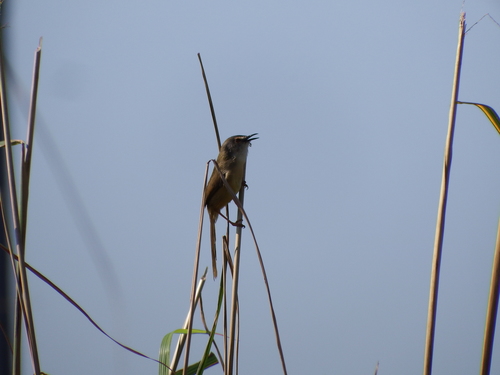
アオハウチワドリ (Prinia flaviventris) アオハウチワドリ
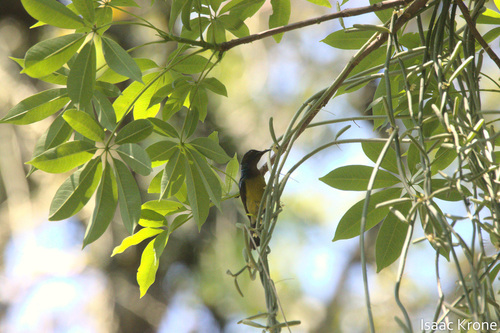
Brown-throated Sunbird (Anthreptes malacensis) Brown-throated Sunbird

メディア

読み込み中…

要点

アオハウチワドリをブラウンセキレイと区別する最も信頼できる方法は、全体的な構造とくちばしの形です:プリニアは細身で長い尾を持つ鳥で、細くてまっすぐなくちばしを持っていますが、セキレイはずんぐりしていて、明らかに厚くて曲がったくちばしを持っています。成鳥のオスのブラウンセキレイは、虹色の緑と紫の上面と栗色の翼の斑点で間違いなく識別できますが、メスや幼鳥は黄色がかった下面のためにプリニアと混同されることがあります。プリニアのシンプルな顔、長い尾、より繊細な体型を探してください。対して、セキレイは重い体と短い尾を持っています。飛んでいる時や止まっている時、セキレイの厚い下向きのくちばしとより大きなシルエットは決定的であり、羽毛が控えめな時でも明らかです。

識別のコツ

  1. Bill shape: セキレイは厚くて下向きのくちばしを持ち、蜜を吸うのに理想的です;プリニアのくちばしは細くてまっすぐで、昆虫食です。これは最も一貫した構造的な違いで、すべての年齢と性別で見ることができます。
  2. Tail length and shape: アオハウチワドリは長く、しばしば立てた尾を持ち、時には先端が段階的です。ブラウンセキレイの尾は短く、より四角く、プリニアのように目立つことはありません。
  3. Body structure: プリニアは細身で長く、繊細な体型をしています。セキレイはコンパクトで重い体を持ち、体のサイズに対して頭が大きいです。
  4. Adult male plumage: オスのブラウンセキレイは、虹色の緑と紫の上面、栗色の翼の斑点、明るい黄色の下面で間違いなく識別できます。プリニアには虹色や栗色は見られません。
  5. Female/immature plumage: メスと幼鳥のセキレイは上面がオリーブグリーンで、下面が黄色がかっていますが、シンプルな顔、厚いくちばし、短い尾を持っています。プリニアは上面がより鈍い色で、尾が長く、くちばしが細いです。
  6. Face pattern: 両種はシンプルな顔を持っていますが、セキレイの顔は厚いくちばしと大きな頭のために重く見え、プリニアの顔はより細くて繊細です。
  7. Wing pattern: どちらの種も年齢特有の上翼や飛行のマークはなく、翼のパネルや対照的なエッジに頼らないでください。
  8. Foraging behavior: プリニアは落ち着きがなく、しばしば尾を振りながら低い植生の中を移動します。セキレイはより慎重で、しばしば花で餌を食べたり、枝からぶら下がったりします。
  9. Habitat context: プリニアは主に草地、葦、または低木の中にいます;セキレイは庭、森林の縁、花の植物が豊富な場所を好みます。
  10. Flight style: プリニアの飛行はひらひらして軽やかです;セキレイの飛行はより直接的で重いです。
  11. Size impression: セキレイはよりずんぐりして重く感じられ、特にプリニアと並んで見た時に顕著です。
  12. Sexual dimorphism: セキレイのみが強い性的二形性を示します(オスは虹色、メスは鈍い色);プリニアの性別は似ています。
  13. Feeding behavior: セキレイは花の蜜を探したり、果物を食べたりするのが見られます;プリニアは昆虫に固執し、花を訪れることはめったにありません。
  14. Perching posture: プリニアはしばしば尾を立てて直立して止まります;セキレイはより水平に止まり、尾を下にして、枝からぶら下がることもあります。
  15. Mistaken identity pitfalls: メスや幼鳥のセキレイとプリニアは、上面がオリーブ色で下面が黄色に見えることがあります—混乱を避けるために、常にくちばしの厚さ、尾の長さ、全体的な構造を確認してください。

大きさ

アオハウチワドリは小さく、軽い鳥(約7.6g)で、細身で長い尾を持っています。ブラウンセキレイは一般的に重く(7.4〜13.5g、オスは平均的に大きい)、約14cmと明らかに長いです。セキレイはより頑丈でコンパクトに見え、体の長さに対して尾が短いです。フィールドでは、セキレイの厚いプロポーションと重いくちばしは、より繊細なプリニアと直接比較した時に通常明らかです。

羽色

どちらの種についても年齢特有の上翼や飛行のマークは記述されていないため、体と頭の羽毛に焦点を当てます。成鳥のオスのブラウンセキレイは非常に特徴的です:虹色の緑と紫の上面、栗色の翼のカバーと肩羽、明るい黄色の下面。メスと幼鳥は上面がオリーブグリーンで、下面が黄色がかっていますが、オスの虹色や栗色はなく、シンプルでストライプのない顔と短い尾を持っています。アオハウチワドリははるかに地味です:上面は鈍いオリーブまたは灰色がかり、下面は黄色で、長い尾と細くてまっすぐなくちばしを持っています。両種は下面が黄色に見えることがありますが、セキレイ(特にオス)のみが翼に虹色や栗色を示します。プリニアの顔はシンプルで、セキレイの厚いくちばしと重い頭はありません。どちらの種についても季節的または年齢特有の翼のパターンは記載されていません。

行動

アオハウチワドリは通常、低い植生の中を移動し、しばしば長い尾を振りながら昆虫を探します。活発で落ち着きがなく、通常は単独またはペアで見られます。ブラウンセキレイは、花の茂みや木で蜜を吸っているのがよりよく見られ、時には逆さまになってぶら下がり、小さな果物や昆虫を取ることもあります。セキレイは花の植物が豊富な庭や開けた場所を訪れることが多く、餌を探す際はプリニアよりもより慎重で落ち着きがありません。飛んでいる時、セキレイはプリニアよりも重く、ひらひらしないように見えます。

生息環境

両種は東南アジアで重なりますが、好む生息地は異なります。アオハウチワドリは草地、葦原、低木の縁を好み、しばしば水の近くや開けた国にいます。ブラウンセキレイは、庭、公園、森林の縁、マングローブなど、花の植物が豊富な半開放的な生息地の幅広い範囲で見られます。高い草や葦の中で鳥を見た場合、プリニアである可能性が高いです;庭や花の茂みや木の中では、セキレイである可能性が高いです。

より良い説明を送る

比較と同じ項目を使ってください。文章はすぐに公開されます。

The most reliable way to separate Yellow-bellied Prinia from Brown-throated Sunbird is by overall structure and bill shape: prinias are slim, long-tailed birds with a fine, straight bill, while sunbirds are chunkier with a noticeably thick, curved bill. Adult male Brown-throated Sunbirds are unmistakable with their iridescent green and purple upperparts and chestnut wing patches, but females and immatures can be confused with prinias due to their yellowish underparts. Look for the prinia’s plain face, long tail, and more delicate build, versus the sunbird’s heavier body and short tail. In flight or perched, the sunbird’s thick, decurved bill and bulkier silhouette are decisive, even when plumage is subdued.

  1. Bill shape: The sunbird has a thick, decurved bill, ideal for nectar feeding; the prinia’s bill is fine, straight, and insectivorous. This is the most consistent structural difference, visible at all ages and sexes.
  2. Tail length and shape: Yellow-bellied Prinia has a long, often cocked tail, sometimes with a graduated tip. Brown-throated Sunbird’s tail is shorter and more squared, never as prominent as the prinia’s.
  3. Body structure: Prinia is slim and elongated, with a delicate build. Sunbird is compact, heavy-bodied, and has a larger head relative to body size.
  4. Adult male plumage: Male Brown-throated Sunbird is unmistakable with its iridescent green and purple upperparts, chestnut wing patches, and bright yellow underparts. No prinia shows iridescence or chestnut.
  5. Female/immature plumage: Female and immature sunbirds are olive-green above and yellowish below, but still show a plain face, thick bill, and short tail. Prinia is duller above, with a longer tail and finer bill.
  6. Face pattern: Both species have plain faces, but the sunbird’s face looks heavier due to the thick bill and larger head; the prinia’s face is finer and more delicate.
  7. Wing pattern: Neither species has distinctive age-specific upperwing or flight marks, so do not rely on wing panels or contrasting edges.
  8. Foraging behavior: Prinia is restless, often flicking its tail and moving through low vegetation. Sunbird is more deliberate, often seen feeding at flowers or hanging from branches.
  9. Habitat context: Prinia is most often in grasslands, reeds, or scrub; sunbird prefers gardens, forest edges, and areas with flowering plants.
  10. Flight style: Prinia’s flight is fluttery and light; sunbird’s is more direct and heavier.
  11. Size impression: Sunbird feels bulkier and heavier, especially when seen side-by-side with a prinia.
  12. Sexual dimorphism: Only the sunbird shows strong sexual dimorphism (males iridescent, females duller); prinia sexes are similar.
  13. Feeding behavior: Sunbird may be seen probing flowers for nectar or eating fruit; prinia sticks to insects and rarely visits flowers.
  14. Perching posture: Prinia often perches upright with tail cocked; sunbird perches more horizontally, tail down, and may hang from branches.
  15. Mistaken identity pitfalls: Female/immature sunbirds and prinias can both appear olive above and yellow below—always check bill thickness, tail length, and overall structure to avoid confusion.

Yellow-bellied Prinia is a small, light bird (about 7.6 g), slim and elongated, with a long tail. Brown-throated Sunbird is generally heavier (7.4–13.5 g, with males averaging larger), and noticeably longer at about 14 cm. The sunbird appears more robust and compact, with a shorter tail relative to body length. In the field, the sunbird’s thicker proportions and heavier bill are usually obvious when compared directly to the more delicate prinia.

No distinctive age-specific upperwing or flight marks are described for either species, so focus is on body and head plumage. Adult male Brown-throated Sunbird is highly distinctive: iridescent green and purple upperparts, chestnut wing-coverts and scapulars, and bright yellow underparts. Females and immatures are olive-green above and yellowish below, lacking the male’s iridescence and chestnut, but still show a plain, unstreaked face and a short tail. Yellow-bellied Prinia is much plainer: upperparts are dull olive or greyish, underparts yellow, with a long tail and a fine, straight bill. Both species can appear yellow below, but only the sunbird (especially males) shows iridescence or chestnut in the wing. The prinia’s face is plain and lacks the sunbird’s thick bill and heavy head. No seasonal or age-specific wing patterns are noted for either species.

Yellow-bellied Prinia typically moves through low vegetation, often flicking its long tail and foraging for insects. It is active, restless, and usually seen singly or in pairs. Brown-throated Sunbird is more often seen feeding on nectar in flowering shrubs or trees, sometimes hanging upside-down, and may also take small fruits or insects. Sunbirds are more likely to visit gardens and open areas with flowering plants, and their foraging is often more deliberate and less fidgety than the prinia’s. In flight, the sunbird appears heavier and less fluttery than the prinia.

Both species overlap in Southeast Asia, but their preferred habitats differ. Yellow-bellied Prinia favors grasslands, reedbeds, and scrubby edges, often near water or in open country. Brown-throated Sunbird is found in a wider range of semi-open habitats, including gardens, parks, forest edges, and mangroves, wherever flowering plants are abundant. If you see a bird in tall grass or reeds, it is more likely a prinia; in gardens or among flowering shrubs and trees, the sunbird is more probable.

変更を破棄しますか?

保存していない編集があります。今離れると失われます。

アオハウチワドリ · Brown-throated Sunbird · 苦手な鳥