

Yellow-bellied Prinia vs Brown-throated Sunbird
Prinia flaviventris contro Anthreptes malacensis
Fai un quiz con Yellow-bellied Prinia e Brown-throated Sunbird
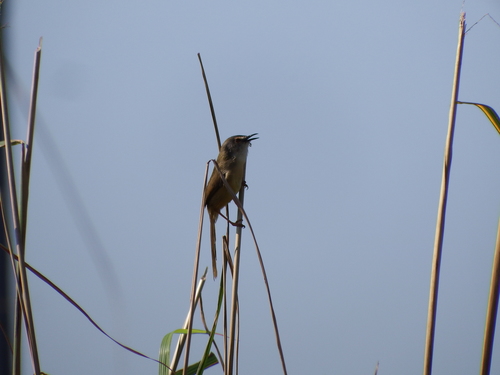 Yellow-bellied Prinia
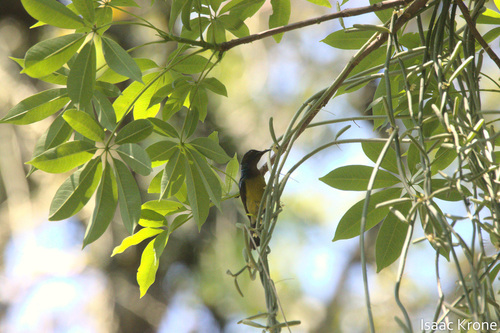 Brown-throated Sunbird
In breve
Il modo più affidabile per separare la Yellow-bellied Prinia dalla Brown-throated Sunbird è attraverso la struttura generale e la forma del becco: le prinias sono uccelli snelli e dalla lunga coda con un becco fine e dritto, mentre le sunbirds sono più robuste con un becco visibilmente spesso e curvo. I maschi adulti della Brown-throated Sunbird sono inconfondibili con le loro parti superiori iridescenti verdi e viola e le macchie castane sulle ali, ma le femmine e gli immaturi possono essere confusi con le prinias a causa delle loro parti inferiori giallastre. Cerca il viso semplice della prinia, la lunga coda e la costruzione più delicata, rispetto al corpo più pesante e alla coda corta della sunbird. In volo o posata, il becco spesso e curvo della sunbird e la sua silhouette più robusta sono decisivi, anche quando il piumaggio è attenuato.
Consigli di identificazione
- Bill shape: La sunbird ha un becco spesso e curvo, ideale per l'alimentazione da nettare; il becco della prinia è fine, dritto e insettivoro. Questa è la differenza strutturale più consistente, visibile in tutte le età e sessi.
- Tail length and shape: La Yellow-bellied Prinia ha una lunga coda, spesso sollevata, a volte con una punta graduata. La coda della Brown-throated Sunbird è più corta e più squadrata, mai così prominente come quella della prinia.
- Body structure: La prinia è snella ed allungata, con una costruzione delicata. La sunbird è compatta, dal corpo pesante, e ha una testa più grande rispetto alla dimensione del corpo.
- Adult male plumage: Il maschio della Brown-throated Sunbird è inconfondibile con le sue parti superiori iridescenti verdi e viola, le macchie castane sulle ali e le parti inferiori gialle brillanti. Nessuna prinia mostra iridescenza o castano.
- Female/immature plumage: Le femmine e gli immaturi delle sunbirds sono di un verde oliva sopra e giallastro sotto, ma mostrano comunque un viso semplice, un becco spesso e una coda corta. La prinia è più opaca sopra, con una coda più lunga e un becco più fine.
- Face pattern: Entrambe le specie hanno visi semplici, ma il viso della sunbird appare più pesante a causa del becco spesso e della testa più grande; il viso della prinia è più fine e delicato.
- Wing pattern: Nessuna delle due specie ha segni distintivi specifici per età sulle ali superiori o di volo, quindi non fare affidamento su pannelli delle ali o bordi contrastanti.
- Foraging behavior: La prinia è irrequieta, spesso muovendo la sua coda e spostandosi attraverso la vegetazione bassa. La sunbird è più deliberata, spesso vista nutrirsi di fiori o appesa ai rami.
- Habitat context: La prinia si trova più spesso in praterie, canneti o cespugli; la sunbird preferisce giardini, margini forestali e aree con piante fiorite.
- Flight style: Il volo della prinia è leggero e fluttuante; quello della sunbird è più diretto e pesante.
- Size impression: La sunbird appare più robusta e pesante, specialmente quando vista fianco a fianco con una prinia.
- Sexual dimorphism: Solo la sunbird mostra un forte dimorfismo sessuale (maschi iridescenti, femmine più opache); i sessi della prinia sono simili.
- Feeding behavior: La sunbird può essere vista mentre esplora i fiori per il nettare o mangiando frutta; la prinia si attiene agli insetti e raramente visita i fiori.
- Perching posture: La prinia spesso si posa eretta con la coda sollevata; la sunbird si posa più orizzontalmente, con la coda verso il basso, e può appendersi ai rami.
- Mistaken identity pitfalls: Le femmine/gli immaturi delle sunbirds e le prinias possono entrambe apparire di un verde oliva sopra e gialle sotto—controlla sempre lo spessore del becco, la lunghezza della coda e la struttura generale per evitare confusione.
Taglia
La Yellow-bellied Prinia è un piccolo uccello leggero (circa 7.6 g), snello e allungato, con una lunga coda. La Brown-throated Sunbird è generalmente più pesante (7.4–13.5 g, con i maschi che mediamente sono più grandi), e visibilmente più lunga a circa 14 cm. La sunbird appare più robusta e compatta, con una coda più corta rispetto alla lunghezza del corpo. Sul campo, le proporzioni più spesse e il becco più pesante della sunbird sono solitamente evidenti quando confrontati direttamente con la più delicata prinia.
Piumaggio
Nessun segno distintivo specifico per età sulle ali superiori o di volo è descritto per entrambe le specie, quindi ci si concentra sul piumaggio del corpo e della testa. Il maschio adulto della Brown-throated Sunbird è altamente distintivo: parti superiori iridescenti verdi e viola, copritrici e scapolari castane, e parti inferiori gialle brillanti. Le femmine e gli immaturi sono di un verde oliva sopra e giallastro sotto, privi dell'iridescenza e del castano del maschio, ma mostrano comunque un viso semplice e non striato e una coda corta. La Yellow-bellied Prinia è molto più semplice: le parti superiori sono di un verde oliva opaco o grigiastro, le parti inferiori gialle, con una lunga coda e un becco fine e dritto. Entrambe le specie possono apparire gialle sotto, ma solo la sunbird (soprattutto i maschi) mostra iridescenza o castano nell'ala. Il viso della prinia è semplice e privo del becco spesso e della testa pesante della sunbird. Non sono notati schemi di ali stagionali o specifici per età per entrambe le specie.
Comportamento
La Yellow-bellied Prinia si muove tipicamente attraverso la vegetazione bassa, spesso muovendo la sua lunga coda e cercando insetti. È attiva, irrequieta e di solito vista singolarmente o in coppie. La Brown-throated Sunbird è più spesso vista nutrirsi di nettare in arbusti o alberi fioriti, a volte appesa a testa in giù, e può anche mangiare piccoli frutti o insetti. Le sunbirds sono più propense a visitare giardini e aree aperte con piante fiorite, e la loro ricerca di cibo è spesso più deliberata e meno nervosa rispetto a quella della prinia. In volo, la sunbird appare più pesante e meno fluttuante rispetto alla prinia.
Habitat
Entrambe le specie si sovrappongono nel Sud-est asiatico, ma i loro habitat preferiti differiscono. La Yellow-bellied Prinia predilige praterie, canneti e margini cespugliosi, spesso vicino all'acqua o in campagna aperta. La Brown-throated Sunbird si trova in una gamma più ampia di habitat semi-aperti, inclusi giardini, parchi, margini forestali e mangrovie, ovunque le piante fiorite siano abbondanti. Se vedi un uccello nell'erba alta o nei canneti, è più probabile che sia una prinia; nei giardini o tra arbusti e alberi fioriti, la sunbird è più probabile.
Yellow-bellied Prinia · Brown-throated Sunbird · I miei uccelli difficili