

Motmot

モリヒバリ 対 ハジロコウテンシ

Lullula arborea 対 Alauda leucoptera

モリヒバリとハジロコウテンシのクイズ
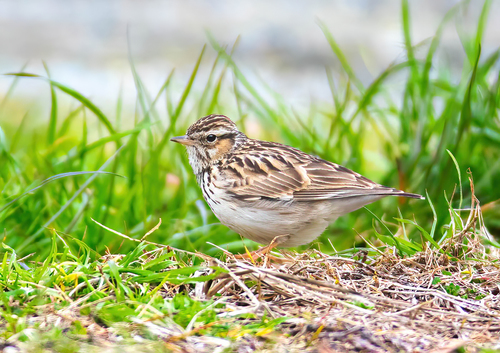
モリヒバリ (Lullula arborea) モリヒバリ
ハジロコウテンシ (Alauda leucoptera) ハジロコウテンシ

メディア

読み込み中…

要点

モリヒバリとハジロコウテンシを区別する最も信頼できるフィールドマークは、飛行中の翼のパターンです:ハジロコウテンシは、黒い外側の飛行羽と他の部分が栗色の大胆で点滅する白い翼の斑点を示しますが、モリヒバリは翼に白がなく、尾の先端に小さな白い点しかありません。モリヒバリは明らかに小さく、よりコンパクトで、短い尾と広い翼を持ち、後頭部で出会う独特の白い眉斑があります。ハジロコウテンシは大きく、より頑丈な体型を持ち、成鳥のオスには栗色の冠があります。両種は上面に縞模様があり、下面は淡いですが、構造、特に飛行の外観は非常に異なります。生息地と分布も役立ちます:モリヒバリはヨーロッパのヒースや開けた森の常駐種または短距離移動者ですが、ハジロコウテンシはロシアと中央アジアの草原の鳥で、西ヨーロッパには稀にしか現れません。

識別のコツ

  1. Wing pattern in flight (all ages): ハジロコウテンシは、黒い外側の初列風切羽と他の部分が栗色の大胆で点滅する白い翼の斑点を示します;これは診断的で、遠くからでも見えます。モリヒバリは翼に白を示さず、尾の先端に小さな白い点しかありません。
  2. Tail shape and pattern: モリヒバリは白い先端を持つ短い尾を持ちますが、白い縁はありません;ハジロコウテンシの尾は白い先端や縁があるとは記述されていませんが、その翼のパターンが飛行の印象を支配します。
  3. Head pattern: モリヒバリは後頭部で出会う独特の白い眉斑を持ち、淡い「ヘッドバンド」を形成します—止まっている鳥でこれを探してください。ハジロコウテンシはこれを欠いていますが、成鳥のオスには栗色の冠があります(フィールドでは常に見えるわけではありません)。
  4. Crest: モリヒバリは小さく、しばしば目立たない冠を持っています;ハジロコウテンシには目立つ冠はありません。
  5. Overall structure: モリヒバリはコンパクトで、短い尾と広い翼を持ち、飛行中に丸みを帯びた、太った印象を与えます。ハジロコウテンシは大きく、より頑丈で、翼が長いです。
  6. Size: ハジロコウテンシはモリヒバリより約20〜30%大きく、はるかに重いです;これは両者が一緒に見られた場合には明らかですが、孤立している場合にはそれほどではありません。
  7. Body coloration: 両者は上面に縞模様があり、下面は淡いですが、モリヒバリはより茶色く、地味です;ハジロコウテンシは上面がより灰色で、腹部が白く、より暗い縞模様があります。
  8. Flight style: モリヒバリの飛行はひらひらとした浮遊感があり、歌の間にしばしば円を描いたり、渦を巻いたりします;ハジロコウテンシは強い、直接的な羽ばたきで飛び、冬には群れで見られる可能性が高いです。
  9. Song: モリヒバリは地面、止まり木、または円を描く歌の飛行中に柔らかく、繰り返しのlū-lū-lūまたはtoolooeetを歌います。ハジロコウテンシの歌はヒバリの歌に似ていますが、さらにメロディックです;ヒバリに慣れていない限り、通常は主要なフィールドマークではありません。
  10. Habitat: モリヒバリはヨーロッパと西アジアの開けた森、ヒース、クリアリングに見られます;ハジロコウテンシはロシアと中央アジアの草原の専門家で、西ヨーロッパには稀にしか現れません。
  11. Range: 西ヨーロッパで見られた場合、ハジロコウテンシは大きな珍しさです;モリヒバリは適切な生息地に広く分布しています。
  12. Flock size: ハジロコウテンシは冬に群れを作ることがあり、社交的です;モリヒバリは通常、孤独またはペアで、時には小さな群れで見られます。
  13. Perched appearance: モリヒバリの白い後頭部の帯とコンパクトな体型は、止まっているときに最もよく見えます;ハジロコウテンシは大きく見え、より頑丈な体を持ち、オスには栗色の冠があります。
  14. Pitfalls: モリヒバリの白い後頭部の帯をハジロコウテンシの白い翼のフラッシュと混同しないでください;飛行中に翼に白を示すのは後者だけです。
  15. Age/sex variation: ハジロコウテンシの重要な翼のパターンは、すべての年齢と性別に存在します;モリヒバリの主なマークも年齢に関係なく一貫しています。

大きさ

ハジロコウテンシははるかに大きく、重いです:長さ17〜19 cm、翼幅35 cm、体重約44 g [wikipedia]、モリヒバリの長さは13.5〜15 cm(ヒバリより約20%短い) [wikipedia]です。モリヒバリは明らかによりコンパクトで、短い尾と全体的に小さな体積を持っています。フィールドでは、サイズの違いは並んで見られると際立っていますが、他のヒバリが比較のために存在しない限り、遠くから判断するのは難しいかもしれません。

羽色

行動

モリヒバリはしばしば地面や止まり木から歌い、その歌の飛行はひらひらとした渦を巻くもので、かなり一定の高さで円を描きます。その飛行は浮遊感があり、短く広い翼と短い尾を持ち、コンパクトで丸みを帯びた印象を与えます。ハジロコウテンシは冬に社交的で、しばしば群れを作り、開けた草原の鳥で、通常は地面にいるか、強い直接的な羽ばたきで飛んでいます。その歌の飛行は詳細には記述されていませんが、その頑丈な体型と目を引く翼のパターンが飛行中の外観を支配します。

生息環境

モリヒバリはヒース、開けた松林、散在する木々のあるクリアリングを好み、特にヨーロッパと西アジアの砂地や草地の地域に生息しています。主にその分布の西部に常駐しています。ハジロコウテンシは乾燥した開けた草原や平原の鳥で、南西ロシアからカザフスタンを経て西中国まで繁殖します。西ヨーロッパには稀にしか現れない漂流者です。生息地だけでも強い手がかりとなることがあります:モリヒバリは真の草原では稀にしか見られず、ハジロコウテンシは森林やヒースの地域を避けます。

声

モリヒバリの歌はメロディックで、lū-lū-lūまたはtoolooeetの音符の連続で、しばしばひらひらとした円を描く歌の飛行中または止まり木から発せられます。ハジロコウテンシの歌はヒバリのよりメロディックなバージョンとして記述されていますが、具体的な詳細はありません。両者は音楽的ですが、モリヒバリの歌はより柔らかく、繰り返しが多いのに対し、ハジロコウテンシの歌はより多様で複雑である可能性が高く、ヒバリに似ています。

より良い説明を送る

比較と同じ項目を使ってください。文章はすぐに公開されます。

The most reliable field mark to separate Woodlark from White-winged Lark is the wing pattern in flight: White-winged Lark shows bold, flashing white wing patches with black outer flight feathers and chestnut elsewhere, while Woodlark lacks any white in the wings and shows only a small white tip to the tail. Woodlark is distinctly smaller and more compact, with a short tail and broad wings, and has a unique white supercilium that meets at the nape. White-winged Lark is larger, with a more robust build and a chestnut crown in adult males. Both species are streaked above and pale below, but their structure and especially their flight appearance are very different. Habitat and range also help: Woodlark is a resident or short-distance migrant of European heaths and open woods, while White-winged Lark is a steppe bird of Russia and Central Asia, only rarely appearing in western Europe.

  1. Wing pattern in flight (all ages): White-winged Lark shows bold, flashing white wing patches with black outer primaries and chestnut elsewhere; this is diagnostic and visible at a distance. Woodlark never shows white in the wings—only a small white tip to the tail.
  2. Tail shape and pattern: Woodlark has a short tail with a white tip but no white edges; White-winged Lark's tail is not described as white-tipped or edged, but its wing pattern dominates the flight impression.
  3. Head pattern: Woodlark has a unique white supercilium that meets at the nape, forming a pale 'headband'—look for this in perched birds. White-winged Lark lacks this, but adult males have a chestnut crown (not always visible in the field).
  4. Crest: Woodlark has a small, often inconspicuous crest; White-winged Lark does not have a notable crest.
  5. Overall structure: Woodlark is compact, with a short tail and broad wings, giving a rounded, stubby look in flight. White-winged Lark is larger, more robust, and longer-winged.
  6. Size: White-winged Lark is about 20–30% larger than Woodlark and much heavier; this is obvious if both are seen together but less so in isolation.
  7. Body coloration: Both are streaked above and pale below, but Woodlark is browner and plainer; White-winged Lark is more grey above with a whiter belly and darker streaks.
  8. Flight style: Woodlark's flight is fluttery and buoyant, often circling or spiraling during song; White-winged Lark flies with strong, direct wingbeats and is more likely to be seen in flocks in winter.
  9. Song: Woodlark sings a soft, repetitive lū-lū-lū or toolooeet from the ground, a perch, or in a circling song flight. White-winged Lark's song is more like a Skylark's but even more melodious; not usually a primary field mark unless familiar with Skylark.
  10. Habitat: Woodlark is found in open woods, heaths, and clearings in Europe and western Asia; White-winged Lark is a steppe specialist of Russia and Central Asia, only rarely appearing in western Europe.
  11. Range: If seen in western Europe, White-winged Lark is a major rarity; Woodlark is widespread in suitable habitat.
  12. Flock size: White-winged Lark can be gregarious in winter, forming flocks; Woodlark is usually solitary or in pairs, sometimes small groups.
  13. Perched appearance: Woodlark's white nape band and compact build are best seen when perched; White-winged Lark appears larger, with a more robust body and, in males, a chestnut crown.
  14. Pitfalls: Do not confuse Woodlark's white nape band with the white wing flashes of White-winged Lark; only the latter shows white in the wings in flight.
  15. Age/sex variation: The key wing pattern in White-winged Lark is present in all ages and sexes; Woodlark's main marks are also consistent across ages.

White-winged Lark is much larger and heavier: 17–19 cm in length with a 35 cm wingspan and about 44 g in weight [wikipedia], compared to Woodlark's 13.5–15 cm length (about 20% shorter than Skylark) [wikipedia]. The Woodlark is noticeably more compact, with a shorter tail and smaller overall bulk. In the field, the size difference is striking if seen side by side, but may be harder to judge at a distance unless other larks are present for comparison.

  • Flight/wing pattern (all ages): White-winged Lark is instantly recognized in flight by its bold white wing patches: black outer flight feathers, white inner flight feathers, and chestnut elsewhere on the wing. This pattern is unique among larks and visible at great distance. Woodlark, by contrast, shows no white in the wings; its flight feathers are brown, and the only white is a small tip to the tail. The tail sides and rear wing edge are not white in Woodlark, unlike Skylark.

  • Head pattern: Woodlark has a distinctive white supercilium that meets at the nape, forming a pale 'headband' effect, and a small, often inconspicuous crest. White-winged Lark adult males have a chestnut crown, but otherwise both sexes are similar and lack the Woodlark's nape mark.

  • Body coloration: Both are streaked above and pale below, but Woodlark is browner, while White-winged Lark is greyish above with darker streaks and a whiter underside. The Woodlark's underparts are plainer, while White-winged Lark may appear more contrasting due to its paler belly.

  • Tail: Woodlark has a short tail with a white tip but no white edges; White-winged Lark's tail is not described as having white, but the focus is on the wing pattern.

Woodlark often sings from the ground or a perch, and its song flight is fluttering and spiraling, circling at a fairly constant height. Its flight is buoyant, with short, broad wings and a short tail, giving a compact, rounded impression. White-winged Lark is gregarious in winter, often forming flocks, and is a bird of open steppe, usually seen on the ground or flying with strong, direct wingbeats. Its song flight is not described in detail, but its robust build and striking wing pattern dominate its appearance in flight.

Woodlark prefers heathland, open pine woods, and clearings with scattered trees, especially in sandy or grassy areas of Europe and western Asia. It is mainly resident in the west of its range. White-winged Lark is a bird of dry, open steppe and plains, breeding from southwestern Russia through Kazakhstan to western China. It is only a rare vagrant to western Europe. Habitat alone can be a strong clue: Woodlark is rarely found in true steppe, while White-winged Lark avoids wooded or heathland areas.

Woodlark's song is a melodious, warbling series of lū-lū-lū or toolooeet notes, often delivered in a fluttering, circling song flight or from a perch. White-winged Lark's song is described as a more melodious version of the Eurasian Skylark's, but specifics are not detailed. Both are musical, but Woodlark's song is softer and more repetitive, while White-winged Lark's is likely more varied and complex, similar to Skylark.

変更を破棄しますか?

保存していない編集があります。今離れると失われます。

モリヒバリ · ハジロコウテンシ · 苦手な鳥