

Tottavilla vs Calandra siberiana
Lullula arborea contro Alauda leucoptera
Fai un quiz con Tottavilla e Calandra siberiana
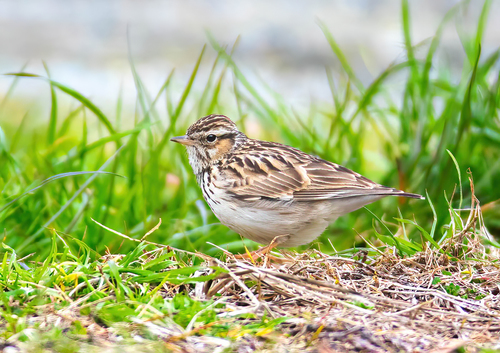 Tottavilla
 Calandra siberiana
In breve
Il segno distintivo più affidabile per separare Tottavilla da Calandra siberiana è il motivo delle ali in volo: Calandra siberiana mostra macchie bianche audaci e lampeggianti sulle ali con piume di volo nere all'esterno e castagne altrove, mentre Tottavilla non presenta bianco nelle ali e mostra solo una piccola punta bianca sulla coda. Tottavilla è nettamente più piccola e più compatta, con una coda corta e ali larghe, e ha un supercilio bianco unico che incontra la nuca. Calandra siberiana è più grande, con una corporatura più robusta e una corona castagna nei maschi adulti. Entrambe le specie sono striate sopra e chiare sotto, ma la loro struttura e soprattutto il loro aspetto in volo sono molto diversi. L'habitat e l'areale aiutano anche: Tottavilla è un residente o migratore a breve distanza delle brughiere e dei boschi aperti europei, mentre Calandra siberiana è un uccello delle steppe della Russia e dell'Asia centrale, che appare raramente nell'Europa occidentale.
Consigli di identificazione
- Motivo delle ali in volo (tutte le età): Calandra siberiana mostra macchie bianche audaci e lampeggianti sulle ali con piume primarie nere all'esterno e castagne altrove; questo è diagnostico e visibile da lontano. Tottavilla non mostra mai bianco nelle ali—solo una piccola punta bianca sulla coda.
- Forma e motivo della coda: Tottavilla ha una coda corta con una punta bianca ma senza bordi bianchi; la coda di Calandra siberiana non è descritta come bianca o bordata, ma il suo motivo delle ali domina l'impressione in volo.
- Motivo della testa: Tottavilla ha un supercilio bianco unico che incontra la nuca, formando un effetto 'fascia per la testa' chiaro—cerca questo negli uccelli posati. Calandra siberiana non ha questo, ma i maschi adulti hanno una corona castagna (non sempre visibile sul campo).
- Cresta: Tottavilla ha una piccola cresta, spesso poco appariscente; Calandra siberiana non ha una cresta notevole.
- Struttura generale: Tottavilla è compatta, con una coda corta e ali larghe, dando un aspetto arrotondato e tozzo in volo. Calandra siberiana è più grande, più robusta e con ali più lunghe.
- Dimensioni: Calandra siberiana è circa il 20–30% più grande di Tottavilla e molto più pesante; questo è ovvio se entrambi sono visti insieme ma meno in isolamento.
- Colorazione del corpo: Entrambi sono striati sopra e chiari sotto, ma Tottavilla è più marrone e più semplice; Calandra siberiana è più grigia sopra con un ventre più bianco e striature più scure.
- Stile di volo: Il volo di Tottavilla è fluttuante e leggero, spesso circolando o spiraleggiando durante il canto; Calandra siberiana vola con battiti d'ali forti e diretti ed è più probabile vederla in gruppi in inverno.
- Canto: Tottavilla canta un dolce e ripetitivo lū-lū-lū o toolooeet dal terreno, da un posatoio, o in un volo di canto circolare. Il canto di Calandra siberiana è più simile a quello dell'Allodola ma ancora più melodioso; non è di solito un segno distintivo primario a meno che non si sia familiari con l'Allodola.
- Habitat: Tottavilla si trova in boschi aperti, brughiere e radure in Europa e Asia occidentale; Calandra siberiana è uno specialista delle steppe della Russia e dell'Asia centrale, che appare raramente nell'Europa occidentale.
- Areale: Se vista in Europa occidentale, Calandra siberiana è una rarità importante; Tottavilla è diffusa negli habitat adatti.
- Dimensione del gruppo: Calandra siberiana può essere gregaria in inverno, formando gruppi; Tottavilla è solitamente solitaria o in coppie, a volte in piccoli gruppi.
- Aspetto posato: La banda bianca sulla nuca di Tottavilla e la sua struttura compatta sono meglio visibili quando è posata; Calandra siberiana appare più grande, con un corpo più robusto e, nei maschi, una corona castagna.
- Trappole: Non confondere la banda bianca sulla nuca di Tottavilla con i lampi bianchi delle ali di Calandra siberiana; solo quest'ultima mostra bianco nelle ali in volo.
- Variazione di età/sesso: Il motivo chiave delle ali in Calandra siberiana è presente in tutte le età e sessi; i segni principali di Tottavilla sono anche coerenti tra le età.
Taglia
Calandra siberiana è molto più grande e pesante: 17–19 cm di lunghezza con un'apertura alare di 35 cm e circa 44 g di peso [wikipedia], rispetto alla lunghezza di Tottavilla di 13.5–15 cm (circa il 20% più corta dell'Allodola) [wikipedia]. La Tottavilla è notevolmente più compatta, con una coda più corta e una massa complessiva più piccola. Sul campo, la differenza di dimensioni è sorprendente se viste fianco a fianco, ma può essere più difficile da giudicare a distanza a meno che non siano presenti altre allodole per il confronto.
Piumaggio
-
Motivo di volo/ali (tutte le età): Calandra siberiana è immediatamente riconosciuta in volo per le sue audaci macchie bianche sulle ali: piume di volo nere all'esterno, piume di volo bianche all'interno e castagne altrove sull'ala. Questo motivo è unico tra le allodole e visibile a grande distanza. Tottavilla, al contrario, non mostra bianco nelle ali; le sue piume di volo sono marroni e l'unico bianco è una piccola punta sulla coda. I lati della coda e il bordo posteriore dell'ala non sono bianchi in Tottavilla, a differenza dell'Allodola.
-
Motivo della testa: Tottavilla ha un supercilio bianco distintivo che incontra la nuca, formando un effetto 'fascia per la testa' chiaro, e una piccola cresta, spesso poco appariscente. I maschi adulti di Calandra siberiana hanno una corona castagna, ma altrimenti entrambi i sessi sono simili e mancano del segno sulla nuca di Tottavilla.
-
Colorazione del corpo: Entrambi sono striati sopra e chiari sotto, ma Tottavilla è più marrone, mentre Calandra siberiana è grigia sopra con striature più scure e un ventre più bianco. Le parti inferiori di Tottavilla sono più semplici, mentre Calandra siberiana può apparire più contrastante a causa del suo ventre più chiaro.
-
Coda: Tottavilla ha una coda corta con una punta bianca ma senza bordi bianchi; la coda di Calandra siberiana non è descritta come bianca, ma l'attenzione è sul motivo delle ali.
Comportamento
Tottavilla spesso canta dal terreno o da un posatoio, e il suo volo di canto è fluttuante e spiraleggiante, circolando a un'altezza abbastanza costante. Il suo volo è leggero, con ali corte e larghe e una coda corta, dando un'impressione compatta e arrotondata. Calandra siberiana è gregaria in inverno, spesso formando gruppi, ed è un uccello delle steppe aperte, solitamente visto a terra o in volo con battiti d'ali forti e diretti. Il suo volo di canto non è descritto in dettaglio, ma la sua corporatura robusta e il suo motivo di ali sorprendente dominano il suo aspetto in volo.
Habitat
Tottavilla preferisce le brughiere, i boschi aperti di pino e le radure con alberi sparsi, specialmente in aree sabbiose o erbose dell'Europa e dell'Asia occidentale. È principalmente residente nella parte occidentale del suo areale. Calandra siberiana è un uccello delle steppe aperte e delle pianure, nidificando dalla Russia sud-occidentale attraverso il Kazakistan fino alla Cina occidentale. È solo un raro vagabondo nell'Europa occidentale. L'habitat da solo può essere un forte indizio: Tottavilla è raramente trovata in vere steppe, mentre Calandra siberiana evita aree boschive o di brughiera.
Voce
Il canto di Tottavilla è una serie melodiosa e gorgheggiante di note lū-lū-lū o toolooeet, spesso eseguita in un volo di canto fluttuante e circolare o da un posatoio. Il canto di Calandra siberiana è descritto come una versione più melodiosa di quello dell'Allodola, ma i dettagli specifici non sono forniti. Entrambi sono musicali, ma il canto di Tottavilla è più morbido e ripetitivo, mentre quello di Calandra siberiana è probabilmente più vario e complesso, simile a quello dell'Allodola.