

Motmot

モリムシクイ 対 ボネリームシクイ

Phylloscopus sibilatrix 対 Phylloscopus bonelli

モリムシクイとボネリームシクイのクイズ
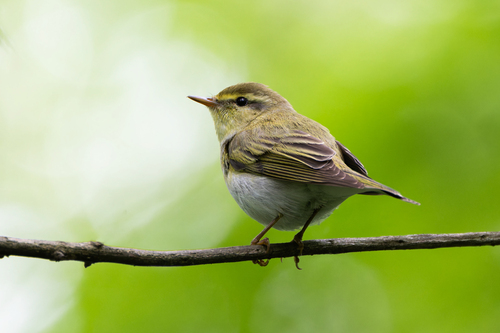
モリムシクイ (Phylloscopus sibilatrix) モリムシクイ
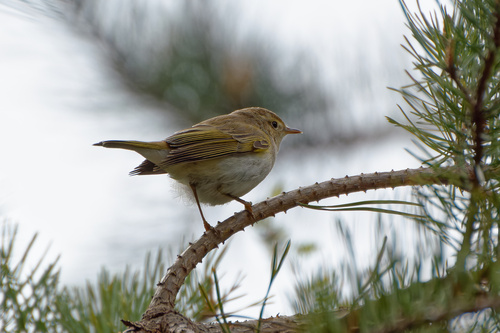
ボネリームシクイ (Phylloscopus bonelli) ボネリームシクイ

メディア

読み込み中…

要点

ウッドムシクイとボネリームシクイを区別する最も信頼できるフィールドマークは、ウッドムシクイの明るい黄色の眉斑、喉、上胸部であり、これは白い腹部と緑の上面と対照的です。ボネリームシクイは地味で、灰緑色の背中、緑がかった尾羽と翼、白っぽい腹部を持ち、強い黄色の色合いはありません。構造的な違いも役立ちます:ウッドムシクイはより長い一次羽の突出部と幅広で短い尾を示し、ボネリームシクイはよりコンパクトで地味です。両種は暗い光や素早い視界で混同されることがありますが、黄色の色合いと翼の構造に焦点を当てることが重要です。声の発音は歌では似ていますが、呼び声は異なり、よく聞こえれば識別の決め手になります。

識別のコツ

  1. 黄色の眉斑と喉(ウッドムシクイ): 眉斑、喉、上胸部に明るい黄色を探してください。ボネリームシクイはこれらの領域に黄色を示しません。すべての年齢と季節に有効です。
  2. 地味な顔と腹部(ボネリームシクイ): ボネリームシクイは地味な白っぽい顔と腹部を持ち、黄色の洗いはありません。顔と喉がきれいな白または灰色がかっている場合は、ボネリームシクイを疑ってください。
  3. 上面の色: ウッドムシクイは上面が緑ですが、ボネリームシクイは灰緑色または茶色がかった緑で、しばしば鈍いです。強い光の下では、ウッドムシクイはより鮮やかに見えます。
  4. 一次羽の突出部: ウッドムシクイはより長い一次羽の突出部を持ち(最も長い飛行羽の先端が三次羽を大きく超えます)、長い翼の印象を与えます。ボネリームシクイは短い突出部を持ち、翼がよりコンパクトに見えます。翼を閉じた止まっている鳥で最もよく見られます。
  5. 尾の形: ウッドムシクイの尾は短くて幅広いですが、ボネリームシクイはより均等に比例しています。微妙ですが、並べて比較する際に役立ちます。
  6. 淡い三次羽の縁(ウッドムシクイ): ウッドムシクイの三次羽には淡い縁が見られ、特に新しい羽毛では顕著です。ボネリームシクイの三次羽は対照が少ないです。
  7. どちらにも翼帯なし: 両種は他のいくつかのフィロスコプスのムシクイの強い翼帯を欠いているため、このマークは使用しないでください。
  8. 歌の違い: 両者は速いトリルを歌いますが、ウッドムシクイの歌は金属的で加速し、時には下降する音符と交互に鳴ります。ボネリームシクイはより単調です。似て聞こえることがあるため、注意して使用してください。
  9. 呼び声: ウッドムシクイは柔らかい単音の「ピュ」を出し、ボネリームシクイは二音節の「フイット」を出します。呼び声はよく聞こえれば診断的です。
  10. 生息地と範囲: 中央/北ヨーロッパではウッドムシクイが期待され、南西ヨーロッパ/北アフリカではボネリームシクイが可能性があります。範囲外の記録も発生するため、場所だけに頼らないでください。
  11. 行動: ウッドムシクイはより落ち着きがないように見え、翼をより頻繁にひらひらさせ、時にはより長い一次羽を見せることがあります。ボネリームシクイは活発ですが、あまり目立ちません。
  12. くちばしと足の色: 両者は小さく尖ったくちばしと茶色の足を持ち、区別には役立ちません。
  13. 性別は同じ: 両種は羽毛において性差がなく、すべてのマークはオスとメスの両方に適用されます。
  14. 幼鳥/未成熟の羽毛: 両種には強い年齢特有の上翼パターンはなく、成鳥と同じマークで区別されます。
  15. 照明の落とし穴: 暗い光の下では、ウッドムシクイの黄色が subdued に見え、ボネリームシクイがより緑に見えることがあります。常に明確で直接的な視界を試みてください。

大きさ

ウッドムシクイはわずかに大きく、体重は約10gですが、両種は小さな葉ムシクイであり、フィールドでサイズが診断的であることは稀です。両者は全体的に似た比率を持っていますが、ウッドムシクイはより長い一次羽の突出部のため、やや長い翼に見えることがあります。

羽色

ウッドムシクイ(すべての年齢)は上面が緑で、下面が白ですが、レモンイエローの眉斑、喉、上胸部で際立っています。黄色は新鮮な成鳥で最も明るく、すべての羽毛に存在します。三次羽には淡い縁があり、翼はより長く尖っています。ボネリームシクイは地味で、成鳥と未成熟の個体は地味な灰緑色の背中、緑がかった尾羽と翼、きれいな白っぽい腹部を持ちます。顔や胸には黄色はありません。上面はより鮮やかさが少なく、茶色がかったまたは灰緑色の色合いがあります。両種は翼帯を欠いていますが、ウッドムシクイの淡い三次羽の縁は微妙な手がかりになることがあります。飛行中、ウッドムシクイのより長い翼と幅広い尾が明らかになることがありますが、どちらの種も他のフィロスコプスのムシクイのような強い年齢特有の上翼パターンは示しません。

行動

両種は活発で昆虫食の採餌者であり、しばしば葉の間をひらひらと移動します。ウッドムシクイはより落ち着きがないように見え、サリーや翼をひらひらさせる傾向があり、時にはより長い一次羽の突出部を見せることがあります。ボネリームシクイも活発ですが、より計画的で目立たないように見えることがあります。両者は素早くカバーを通過するため、長時間観察するのが難しいことがあります。

生息環境

ウッドムシクイは北部および温帯のヨーロッパの森林、特に発達した下層植生を持つ成熟した広葉樹林で繁殖します。ボネリームシクイは南西ヨーロッパと北アフリカに生息し、開けた森林や林を好み、しばしば乾燥した地中海的な生息地に見られます。繁殖範囲は重ならないため、文脈が役立ちます:中央/北ヨーロッパではウッドムシクイが期待され、イベリア半島や北アフリカではボネリームシクイがデフォルトです。両者はサハラ以南のアフリカで冬を越します。

声

歌は似ています:両者は速く高音のトリルを出しますが、ウッドムシクイの歌は流れるような金属的なトリルで加速し、時には下降する音符の連続と交互に鳴ります(ピュピュピュ)。ボネリームシクイの歌は速い単調なトリルで、変動が少ないです。最も良い声の違いは呼び声にあります:ウッドムシクイは柔らかい単音の音(ピュ)を出し、ボネリームシクイは二音節の「フイット」を出します。呼び声は最も信頼できる声の区別であり、歌は混乱を招くことがあります。

より良い説明を送る

比較と同じ項目を使ってください。文章はすぐに公開されます。

The most reliable field mark to separate Wood Warbler from Western Bonelli's Warbler is the Wood Warbler's bright yellow supercilium, throat, and upper breast, which contrast with its white belly and green upperparts. Western Bonelli's Warbler is plainer, with a grey-green back, green-toned rump and wings, and whitish underparts, lacking any strong yellow tones. Structural differences also help: Wood Warbler shows a longer primary projection and a broader, shorter tail, while Bonelli's is more compact and plain. Both species can be confused in poor light or quick views, but focusing on the yellow tones and wing structure is key. Vocalizations are similar in song but differ in calls, which can clinch an ID if heard well.

  1. Yellow supercilium and throat (Wood Warbler): Look for bright yellow on the supercilium, throat, and upper breast. Bonelli's never shows yellow in these areas. Works for all ages and seasons.
  2. Plain face and underparts (Bonelli's): Western Bonelli's Warbler has a plain, whitish face and underparts, with no yellow wash. If the face and throat are clean white or greyish, suspect Bonelli's.
  3. Upperparts color: Wood Warbler is green above, while Bonelli's is grey-green or brownish-green, often duller. In strong light, Wood Warbler looks more vibrant.
  4. Primary projection: Wood Warbler has a longer primary projection (the tips of the longest flight feathers extend well beyond the tertials), giving it a longer-winged look. Bonelli's has a shorter projection, making the wing look more compact. Best seen on perched birds with wings closed.
  5. Tail shape: Wood Warbler's tail is shorter and broader; Bonelli's is more evenly proportioned. Subtle, but can help in side-by-side comparison.
  6. Pale tertial edges (Wood Warbler): Subtle pale edges to the tertials can be seen on Wood Warbler, especially in fresh plumage. Bonelli's tertials are less contrasting.
  7. No wing bars in either: Both lack the strong wing bars of some other Phylloscopus warblers, so don't use this mark.
  8. Song differences: Both sing fast trills, but Wood Warbler's is metallic and accelerates, sometimes alternating with descending piping notes. Bonelli's is more monotone. Use with caution, as they can sound similar.
  9. Call notes: Wood Warbler gives a single soft 'piü'; Bonelli's gives a disyllabic 'hu-it'. Calls are diagnostic if heard well.
  10. Habitat and range: In central/northern Europe, Wood Warbler is expected; in southwest Europe/North Africa, Bonelli's is likely. Out-of-range records do occur, so don't rely solely on location.
  11. Behavior: Wood Warbler may seem more restless and flick its wings more, sometimes showing its longer primaries. Bonelli's is active but less showy.
  12. Bill and leg color: Both have small, pointed bills and brown legs; not a useful separator.
  13. Sexes alike: Both species show no sexual dimorphism in plumage, so all marks apply to both males and females.
  14. Juvenile/immature plumage: No strong age-specific upperwing patterns in either species; separation relies on the same marks as for adults.
  15. Lighting pitfalls: In poor light, Wood Warbler's yellow can look subdued and Bonelli's can appear greener; always try for a clear, direct view.

Wood Warbler is slightly larger, with a body mass around 10g [wikidata], but both species are small leaf warblers and size is rarely diagnostic in the field. Both have similar overall proportions, but Wood Warbler may appear a bit longer-winged due to its longer primary projection.

Wood Warbler (all ages) is green above and white below, but stands out with its lemon-yellow supercilium, throat, and upper breast. The yellow is brightest in fresh adults but is present in all plumages. Its tertials have pale edges, and the wings are longer and more pointed. Western Bonelli's Warbler is plainer: adults and immatures have a plain grey-green back, green-toned rump and wings, and clean whitish underparts. There is no yellow on the face or breast. The upperparts are less vibrant, with a browner or grey-green cast. Both species lack wing bars, but Wood Warbler's pale tertial edges can be a subtle clue. In flight, Wood Warbler's longer wings and broader tail may be apparent, but neither species shows strong age-specific upperwing patterns like some other Phylloscopus warblers.

Both species are active, insectivorous foragers in woodland, often flitting through foliage. Wood Warbler may appear more restless, with a tendency to sally and flick its wings, sometimes showing its longer primary projection. Bonelli's Warbler is also active but may seem more methodical and less showy. Both can be difficult to observe for long periods as they move quickly through cover.

Wood Warbler breeds in northern and temperate European woodlands, especially mature deciduous forests with a well-developed understory. Western Bonelli's Warbler is found in southwest Europe and North Africa, preferring open woodland and forest, often in drier, more Mediterranean habitats. Their breeding ranges do not overlap, so context can help: in central/northern Europe, Wood Warbler is expected; in Iberia or North Africa, Bonelli's is the default. Both winter in sub-Saharan Africa.

Songs are similar: both give a fast, high-pitched trill, but Wood Warbler's song is a fluid metallic trill that accelerates, sometimes alternating with a series of descending piping notes (piüü-piüü-piüü). Bonelli's song is a fast monotone trill, less variable. The best vocal difference is in the call: Wood Warbler gives a soft, single piping note (piü), while Western Bonelli's Warbler gives a disyllabic 'hu-it'. Calls are the most reliable vocal separator, as songs can be confusingly similar.

変更を破棄しますか?

保存していない編集があります。今離れると失われます。

モリムシクイ · ボネリームシクイ · 苦手な鳥