

Luì verde vs Luì bianco
Phylloscopus sibilatrix contro Phylloscopus bonelli
Fai un quiz con Luì verde e Luì bianco
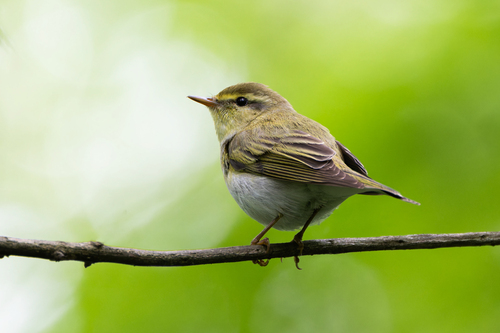 Luì verde
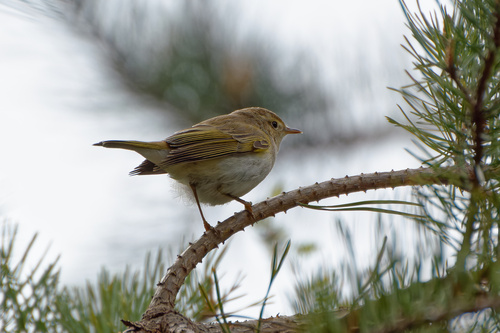 Luì bianco
In breve
Il segno di campo più affidabile per separare il Luì verde dal Luì bianco è il supercilium, la gola e il petto superiore luminosi e gialli del Luì verde, che contrastano con il suo ventre bianco e le parti superiori verdi. Il Luì bianco è più semplice, con un dorso grigio-verde, un sottocoda e ali di tonalità verde, e parti inferiori biancastre, prive di forti toni gialli. Anche le differenze strutturali aiutano: il Luì verde mostra una proiezione primaria più lunga e una coda più larga e corta, mentre il Bonelli è più compatto e semplice. Entrambe le specie possono essere confuse in scarsa illuminazione o in visioni rapide, ma concentrarsi sui toni gialli e sulla struttura delle ali è fondamentale. Le vocalizzazioni sono simili nel canto ma differiscono nei richiami, che possono confermare un'identificazione se ascoltati bene.
Consigli di identificazione
- Supercilium e gola gialli (Luì verde): Cerca un giallo brillante sul supercilium, sulla gola e sul petto superiore. Il Bonelli non mostra mai giallo in queste aree. Funziona per tutte le età e stagioni.
- Faccia e parti inferiori semplici (Bonelli): Il Luì bianco ha una faccia e parti inferiori semplici e biancastre, senza lavaggio giallo. Se la faccia e la gola sono bianche pulite o grigiastre, sospetta il Bonelli.
- Colore delle parti superiori: Il Luì verde è verde sopra, mentre il Bonelli è grigio-verde o bruno-verde, spesso più opaco. In forte luce, il Luì verde appare più vivace.
- Proiezione primaria: Il Luì verde ha una proiezione primaria più lunga (le punte delle piume di volo più lunghe si estendono ben oltre le terziali), conferendogli un aspetto con ali più lunghe. Il Bonelli ha una proiezione più corta, rendendo l'ala più compatta. Meglio osservato su uccelli in posa con le ali chiuse.
- Forma della coda: La coda del Luì verde è più corta e più larga; quella del Bonelli è più proporzionata. Sottile, ma può aiutare nel confronto affiancato.
- Bordi terziali pallidi (Luì verde): Sottile bordo pallido alle terziali può essere visto sul Luì verde, specialmente nel piumaggio fresco. Le terziali del Bonelli sono meno contrastanti.
- Nessuna barra alare in entrambi: Entrambi mancano delle forti barre alari di alcuni altri Phylloscopus, quindi non usare questo segno.
- Differenze nel canto: Entrambi cantano trilli veloci, ma il Luì verde è metallico e accelera, a volte alternando con note di piping discendenti. Il Bonelli è più monotono. Usare con cautela, poiché possono suonare simili.
- Note di richiamo: Il Luì verde emette una singola nota morbida 'piü'; il Bonelli emette un 'hu-it' disillabico. I richiami sono diagnostici se ascoltati bene.
- Habitat e distribuzione: In Europa centrale/nordica, ci si aspetta il Luì verde; nel sud-ovest dell'Europa/Nord Africa, è probabile il Bonelli. Si verificano registrazioni fuori dalla gamma, quindi non fare affidamento solo sulla posizione.
- Comportamento: Il Luì verde può sembrare più irrequieto e sbattere le ali di più, mostrando a volte le sue primarie più lunghe. Il Bonelli è attivo ma meno appariscente.
- Colore del becco e delle gambe: Entrambi hanno becchi piccoli e appuntiti e gambe marroni; non è un separatore utile.
- Sessi simili: Entrambe le specie non mostrano dimorfismo sessuale nel piumaggio, quindi tutti i segni si applicano sia ai maschi che alle femmine.
- Piumaggio giovanile/immaturo: Nessun forte modello specifico per l'età nelle ali superiori di entrambe le specie; la separazione si basa sugli stessi segni degli adulti.
- Trappole di illuminazione: In scarsa luce, il giallo del Luì verde può apparire attenuato e il Bonelli può sembrare più verde; cerca sempre di avere una vista chiara e diretta.
Taglia
Il Luì verde è leggermente più grande, con una massa corporea di circa 10g [wikidata], ma entrambe le specie sono piccoli luì e la dimensione è raramente diagnostica sul campo. Entrambi hanno proporzioni complessive simili, ma il Luì verde può apparire un po' più lungo nelle ali a causa della sua proiezione primaria più lunga.
Piumaggio
Il Luì verde (tutte le età) è verde sopra e bianco sotto, ma si distingue per il suo supercilium, gola e petto superiore giallo limone. Il giallo è più brillante nei freschi adulti ma è presente in tutti i piumaggi. Le sue terziali hanno bordi pallidi e le ali sono più lunghe e appuntite. Il Luì bianco è più semplice: gli adulti e gli immaturi hanno un dorso grigio-verde semplice, un sottocoda e ali di tonalità verde, e parti inferiori biancastre pulite. Non c'è giallo sulla faccia o sul petto. Le parti superiori sono meno vivaci, con una tonalità più bruna o grigio-verde. Entrambe le specie mancano di barre alari, ma i bordi pallidi delle terziali del Luì verde possono essere un indizio sottile. In volo, le ali più lunghe e la coda più larga del Luì verde possono essere evidenti, ma nessuna delle due specie mostra forti modelli specifici per l'età nelle ali superiori come alcuni altri Phylloscopus.
Comportamento
Entrambe le specie sono attive, foraggiatrici insettivore nei boschi, spesso svolazzando tra il fogliame. Il Luì verde può apparire più irrequieto, con una tendenza a lanciarsi e sbattere le ali, mostrando a volte la sua proiezione primaria più lunga. Il Luì bianco è anche attivo ma può sembrare più metodico e meno appariscente. Entrambi possono essere difficili da osservare per lunghi periodi poiché si muovono rapidamente attraverso la copertura.
Habitat
Il Luì verde nidifica nelle foreste europee settentrionali e temperate, specialmente nelle foreste decidue mature con un sottobosco ben sviluppato. Il Luì bianco si trova nel sud-ovest dell'Europa e in Nord Africa, preferendo boschi aperti e foreste, spesso in habitat più secchi e mediterranei. Le loro aree di nidificazione non si sovrappongono, quindi il contesto può aiutare: in Europa centrale/nordica, ci si aspetta il Luì verde; in Iberia o Nord Africa, il Bonelli è il default. Entrambi svernano nell'Africa subsahariana.
Voce
I canti sono simili: entrambi emettono un trillo veloce e acuto, ma il canto del Luì verde è un trillo metallico fluido che accelera, a volte alternando con una serie di note di piping discendenti (piüü-piüü-piüü). Il canto del Bonelli è un trillo monotono veloce, meno variabile. La migliore differenza vocale è nel richiamo: il Luì verde emette una nota di piping morbida e singola (piü), mentre il Luì bianco emette un 'hu-it' disillabico. I richiami sono il separatore vocale più affidabile, poiché i canti possono essere confusamente simili.