

Motmot

オビバネカマドドリ 対 カワカトリタイランチョウ

Furnarius figulus 対 Serpophaga hypoleuca

オビバネカマドドリとカワカトリタイランチョウのクイズ
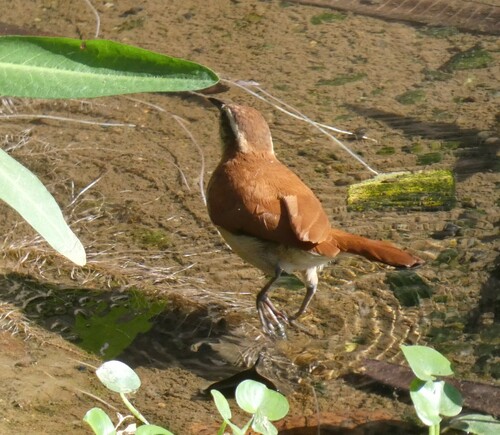
オビバネカマドドリ (Furnarius figulus) オビバネカマドドリ
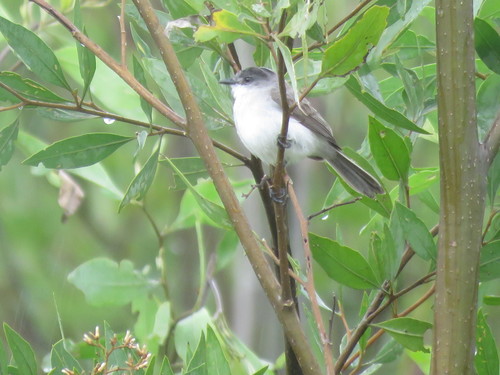
カワカトリタイランチョウ (Serpophaga hypoleuca) カワカトリタイランチョウ

メディア

読み込み中…

要点

ウビバネカマドドリとカワカトリタイランチョウを区別する最も信頼できるフィールドマークは、ウビバネカマドドリの赤褐色の翼に見られる2本の暗い赤褐色のバンドで、すべての年齢で確認でき、特に飛行中に明らかです。それに対して、カワカトリタイランチョウは赤褐色やバンディングのない、単調な暗い灰色の翼を持っています。ウビバネカマドドリはまた、はるかに大きく、がっしりとしており、長くてまっすぐなくちばしと栗色の冠を持っていますが、タイランチョウは小さく、細身のフライキャッチャーで、黒っぽい冠と白い顔を持っています。両種は淡いスーパーシリウムを示すことがありますが、全体的な構造、翼のパターン、色彩は非常に異なります。遠くからでも、ウビバネカマドドリの温かい赤褐色のトーンとサイズは、タイランチョウの灰色と白のパレットに対して際立っています。

識別のコツ

  1. 赤褐色の翼のバンド(すべての年齢、止まっている時または飛行中): ウビバネカマドドリだけが、一次羽に渡る2本の暗い赤褐色のバンドを示し、赤褐色のカバー羽と二次羽を持っています。カワカトリタイランチョウの翼は、赤褐色やバンディングのない単調な暗い灰色です。
  2. 全体的なサイズと構造: ウビバネカマドドリははるかに大きく、がっしりしており(15–16 cm、約28 g)、長くてほぼまっすぐなくちばしを持っています;タイランチョウは小さく(10.5–12.5 cm、約6 g)、細身で短くて細いくちばしを持っています。もしその鳥が小さくて繊細に見えるなら、それはウビバネカマドドリではありません。
  3. 冠の色: ウビバネカマドドリは栗色の冠を持ち(いくつかの亜種ではより暗い)、タイランチョウは隠れた白い中央の羽を持つ黒い冠を持っています。この違いは遠くからでも確認できます。
  4. 尾の色と形: ウビバネカマドドリの尾は栗色で、内側の羽の先端は暗い黒色です;タイランチョウの尾は長く、細く、単調な暗い色で、決して赤褐色ではありません。
  5. 顔のパターン: 両者は淡いスーパーシリウムを示すことがありますが、ウビバネカマドドリのそれは広く、暗い目のストライプの上に白いもので、汚れた赤褐色の頬と鈍い赤褐色の耳のカバー羽を持っています。タイランチョウの顔は主に白で、黒い目のストライプと白い頬を持ち、より対照的で鋭い外観を作り出します。
  6. 腹部: ウビバネカマドドリの腹部は淡い黄褐色で、白っぽい喉と腹の中心を持っています;タイランチョウの腹部は白で、淡い灰色の胸の洗いがかかっており、決して黄褐色や茶色ではありません。
  7. くちばしの色: ウビバネカマドドリのくちばしは茶色がかっています;タイランチョウのくちばしは黒です。これは近距離で役立ちます。
  8. 足の色: ウビバネカマドドリの足と足は茶色がかっています;タイランチョウの足は暗い灰色です。よく見えた場合に役立ちます。
  9. 行動: ウビバネカマドドリは通常、地面や低い場所で歩いたり走ったりしています;タイランチョウはより空中で、低い止まり木から昆虫を捕まえるために飛び出します。
  10. 生息地の文脈: ウビバネカマドドリは開けた場所、牧草地、さらには都市公園でも見られます;タイランチョウはほぼ常に水の近くの密な河岸の低木や低い枝にいます。
  11. 鳴き声: ウビバネカマドドリの歌は大きく、機械的で、スタッカートの連続音です;タイランチョウの声はここでは説明されていませんが、ウビバネカマドドリの音量やリズムには合いません。
  12. 地理的範囲: ウビバネカマドドリはブラジルに特有で(異なる地域に2つの亜種があります);タイランチョウは南アメリカ北部の広い範囲で見られます。ブラジルの外では、ウビバネカマドドリはあり得ません。
  13. 性別と年齢: 両種はすべての年齢と性別で似た羽毛を持っているため、性別は区別要因ではありません。幼鳥のタイランチョウは成鳥に似ています;ウビバネカマドドリの翼のバンドはすべての年齢で存在します。
  14. 一般的な落とし穴: 淡いスーパーシリウムや白い喉だけに頼らないでください—両者ともこれを示すことがあります。常にウビバネカマドドリの赤褐色のトーンと翼のバンディングを確認し、タイランチョウの冷たい灰色/白のパターンを確認してください。
  15. 疑わしい場合: もしその鳥が小さく、単調な灰色と白で、水の近くで活発にフライキャッチングをしているなら、それはカワカトリタイランチョウです。もしそれが大きく、赤褐色で、地面を歩いているか開けた場所に止まっているなら、それはウビバネカマドドリです。

大きさ

ウビバネカマドドリははるかに大きく(15–16 cm、約28 g)、小さなカワカトリタイランチョウ(10.5–12.5 cm、5.5–6.7 g)と比較されます。ウビバネカマドドリはがっしりとしており、長くてほぼまっすぐなくちばしを持っていますが、タイランチョウは小さく、細身で繊細で、短くて細いくちばしを持っています。直接比較がなくても、ウビバネカマドドリのサイズはツグミや小さなロビンに近く、タイランチョウはキンクレットや小さなウグイスに近いです。このサイズのギャップはフィールドで明らかで、特に両者が同じ水流の近くで見られる場合に顕著です。

羽色

行動

ウビバネカマドドリは通常、地面やその近くで採餌しているのが見られ、しばしば目的を持った直立した姿勢で歩いたり走ったりしています。水の近くや開けた場所でペアで見られることがあります。カワカトリタイランチョウははるかに活発で空中におり、低い止まり木から昆虫を捕まえるために飛び出すことが多く、通常は水の近くの低木や低い枝に見られます。タイランチョウのフライキャッチング行動と素早く鋭い動きは、ウビバネカマドドリの慎重で地面に基づいた採餌と対照的です。

生息環境

両種はしばしば水の近くで見られますが、生息地の好みは詳細に異なります。ウビバネカマドドリは、森林、低木、牧草地、湿地の端、さらには都市公園などの半開放から開放的な風景を好み、通常はブラジルの川や水流の近くにいます。カワカトリタイランチョウは、北南アメリカ全体の河岸生息地—川や小川の低木や森林の端—により厳密に結びついています。ウビバネカマドドリは乾燥したりより開放的な場所で見られることがありますが、タイランチョウはほぼ常に密な河岸の植生の近くにいます。

声

ウビバネカマドドリは、3–20音の大きく、高いスタッカートの連続音を出し、音程が減速して下降します。しばしばデュエットで歌われます。呼び声には、厳しい「ジープ・ジープ」や「チビット」や「クイーエ」などの短い音が含まれます。カワカトリタイランチョウの声は提供された情報源では説明されていないため、鳴き声の違いはここでは診断的ではありません。実際には、ウビバネカマドドリの歌は、どの小さなタイランチョウよりもはるかに大きく、機械的です。

より良い説明を送る

比較と同じ項目を使ってください。文章はすぐに公開されます。

The most reliable field mark to separate Wing-banded Hornero from River Tyrannulet is the hornero’s rufous wings with two dark rufous bands, visible in all ages and especially obvious in flight. River Tyrannulet, by contrast, has plain dusky brownish gray wings without any rufous or banding. The hornero is also much larger and bulkier, with a longer, straighter bill and a chestnut-rufous crown, while the tyrannulet is a tiny, slim flycatcher with a blackish crown and white face. Both species can show a pale supercilium, but their overall structure, wing pattern, and coloration are very different. Even at a distance, the hornero’s warm rufous tones and size stand out against the tyrannulet’s gray and white palette.

  1. Rufous wing bands (all ages, perched or in flight): Only Wing-banded Hornero shows two dark rufous bands across the primaries, with rufous coverts and secondaries. River Tyrannulet’s wings are plain dusky brownish gray with no rufous or banding.
  2. Overall size and structure: Hornero is much larger and bulkier (15–16 cm, ~28 g) with a long, nearly straight bill; tyrannulet is tiny (10.5–12.5 cm, ~6 g), slim, and has a short, fine bill. If the bird looks small and delicate, it is not a hornero.
  3. Crown color: Hornero has a chestnut-rufous crown (darker in some subspecies), while tyrannulet has a black crown with hidden white central feathers. The difference is visible even at a distance.
  4. Tail color and shape: Hornero’s tail is chestnut-rufous with brownish black tips; tyrannulet’s tail is long, slim, and plain dusky, never rufous.
  5. Facial pattern: Both can show a pale supercilium, but hornero’s is broad and white above a dark eye-stripe, with dingy rufous lores and dull rufous ear coverts. Tyrannulet’s face is mostly white with a black eye-stripe and white lores, creating a more contrasting, sharp look.
  6. Underparts: Hornero’s underparts are pale tawny-brown with a whitish throat and belly center; tyrannulet’s are white with a pale gray breast wash, never tawny or brownish.
  7. Bill color: Hornero’s bill is brownish; tyrannulet’s is black. This can help at close range.
  8. Leg color: Hornero’s legs and feet are brownish; tyrannulet’s are dark gray. Useful if seen well.
  9. Behavior: Hornero is usually on the ground or low, walking or running; tyrannulet is more aerial, sallying out from low perches to catch insects.
  10. Habitat context: Hornero can be found in open areas, pastures, and even urban parks; tyrannulet is almost always in dense riverside shrubs or low branches near water.
  11. Vocalization: Hornero’s song is a loud, mechanical, staccato series; tyrannulet’s voice is not described here, but it will not match the hornero’s volume or rhythm.
  12. Geographic range: Hornero is endemic to Brazil (with two subspecies in different regions); tyrannulet is found in a wider range across northern South America. If outside Brazil, hornero is unlikely.
  13. Sex and age: Both species have similar plumage in both sexes and all ages, so sex is not a separator. Juvenile tyrannulets look like adults; hornero’s wing bands are present in all ages.
  14. Common pitfalls: Do not rely solely on the pale supercilium or white throat—both can show these. Always check for rufous tones and wing banding for hornero, and the cold gray/white pattern for tyrannulet.
  15. When in doubt: If the bird is tiny, plain gray and white, and actively flycatching near water, it is a River Tyrannulet. If it is larger, rufous, and walking on the ground or perched in an open area, it is a Wing-banded Hornero.

Wing-banded Hornero is much larger (15–16 cm long, ~28 g) compared to the diminutive River Tyrannulet (10.5–12.5 cm, 5.5–6.7 g). The hornero appears stocky and robust, with a long, nearly straight bill, while the tyrannulet is tiny, slim, and delicate, with a short, fine bill. Even without direct comparison, the hornero’s size is closer to a thrush or small robin, while the tyrannulet is closer to a kinglet or small warbler. This size gap is obvious in the field, especially if both are seen near the same watercourse.

  • Juvenile/Immature/Adult (all ages):
  • Wing-banded Hornero: Shows rufous wing coverts and secondaries, with primaries that are fuscous but crossed by two distinct dark rufous bands—these bands are visible both perched and in flight. The tail is chestnut-rufous with brownish black tips on the inner webs. The crown is chestnut-rufous, back and rump paler rufous, and the underparts are pale tawny-brown with a whitish throat and belly center. A broad white supercilium is present above a dark eye-stripe.
  • River Tyrannulet: Wings are plain dusky brownish gray, lacking any rufous or banding. The tail is long and dusky, not rufous. The crown is black with hidden white central feathers, the face is mostly white with a black eye-stripe, and the upperparts are brownish gray. Underparts are white with a pale gray breast wash. No rufous or chestnut anywhere on the bird. Juveniles are like adults.
  • Key contrast: The hornero’s rufous wing bands and overall warm coloration are unique; the tyrannulet is cold gray and white with no rufous tones.

Wing-banded Hornero is typically seen foraging on or near the ground, often walking or running with a purposeful, upright stance. It may be seen in pairs, sometimes near water or open areas. River Tyrannulet is much more active and aerial, often sallying out from low perches to catch insects, and usually found in shrubs or low branches close to water. The tyrannulet’s flycatching behavior and quick, darting movements contrast with the hornero’s deliberate, ground-based foraging.

Both species are often found near water, but their habitat preferences differ in detail. Wing-banded Hornero favors semi-open to open landscapes such as woodlands, scrub, pastures, marsh edges, and even urban parks, usually near rivers or watercourses in Brazil. River Tyrannulet is more strictly tied to riparian habitats—shrubby or wooded edges of rivers and streams—across a wider range in northern South America. The hornero may be seen in drier or more open areas, while the tyrannulet is almost always close to dense riverside vegetation.

Wing-banded Hornero gives a loud, high, staccato series of 3–20 notes that decelerate and descend in pitch, often sung in duet. Calls include harsh 'djeep-djeep' and short notes like 'chibit' or 'kwee-eh'. River Tyrannulet’s voice is not described in the sources provided, so vocal differences are not diagnostic here. In practice, the hornero’s song is much louder and more mechanical than any small tyrannulet.

変更を破棄しますか?

保存していない編集があります。今離れると失われます。

オビバネカマドドリ · カワカトリタイランチョウ · 苦手な鳥