

Wing-banded Hornero vs River Tyrannulet
Furnarius figulus contro Serpophaga hypoleuca
Fai un quiz con Wing-banded Hornero e River Tyrannulet
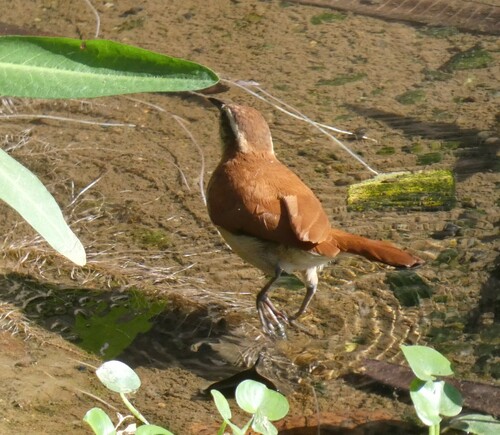 Wing-banded Hornero
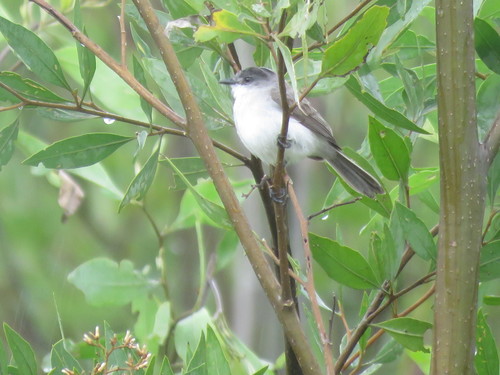 River Tyrannulet
In breve
Il segno di campo più affidabile per separare il Wing-banded Hornero dal River Tyrannulet è il colore ruggine delle ali dell'hornero con due bande ruggine scure, visibili in tutte le età e particolarmente evidenti in volo. Il River Tyrannulet, al contrario, ha ali grigio bruno scure senza alcun ruggine o bande. L'hornero è anche molto più grande e robusto, con un becco più lungo e dritto e una corona castano-ruggine, mentre il tyrannulet è un piccolo e snello catturatore di insetti con una corona nerastra e un volto bianco. Entrambe le specie possono mostrare un supercilio pallido, ma la loro struttura generale, il modello delle ali e la colorazione sono molto diverse. Anche a distanza, i toni caldi ruggine e la dimensione dell'hornero si distinguono rispetto alla palette grigia e bianca del tyrannulet.
Consigli di identificazione
- Bande ruggine sulle ali (tutte le età, posato o in volo): Solo il Wing-banded Hornero mostra due bande ruggine scure attraverso le primarie, con copritrici e secondarie ruggine. Le ali del River Tyrannulet sono grigio bruno scure senza ruggine o bande.
- Dimensione e struttura complessiva: L'hornero è molto più grande e robusto (15–16 cm, ~28 g) con un becco lungo e quasi dritto; il tyrannulet è piccolo (10.5–12.5 cm, ~6 g), snello e ha un becco corto e fine. Se l'uccello appare piccolo e delicato, non è un hornero.
- Colore della corona: L'hornero ha una corona castano-ruggine (più scura in alcune sottospecie), mentre il tyrannulet ha una corona nera con piume centrali bianche nascoste. La differenza è visibile anche a distanza.
- Colore e forma della coda: La coda dell'hornero è castano-ruggine con punte nere brune; la coda del tyrannulet è lunga, snella e grigia scura, mai ruggine.
- Schema facciale: Entrambi possono mostrare un supercilio pallido, ma quello dell'hornero è ampio e bianco sopra una striscia oculare scura, con lore ruggine sporche e copritrici auricolari ruggine opache. Il volto del tyrannulet è per lo più bianco con una striscia oculare nera e lore bianche, creando un aspetto più contrastante e netto.
- Parte inferiore: Le parti inferiori dell'hornero sono di un marrone chiaro ruggine con una gola e un centro del ventre bianchi; quelle del tyrannulet sono bianche con una leggera sfumatura grigia sul petto, mai ruggine o marrone.
- Colore del becco: Il becco dell'hornero è bruno; quello del tyrannulet è nero. Questo può aiutare a distanza ravvicinata.
- Colore delle zampe: Le zampe e i piedi dell'hornero sono bruni; quelli del tyrannulet sono grigio scuro. Utile se visti bene.
- Comportamento: L'hornero è solitamente a terra o basso, camminando o correndo; il tyrannulet è più aereo, saltando da posatoi bassi per catturare insetti.
- Contesto dell'habitat: L'hornero può essere trovato in aree aperte, pascoli e persino parchi urbani; il tyrannulet è quasi sempre in cespugli densi lungo i fiumi o sui rami bassi vicino all'acqua.
- Vocalizzazione: Il canto dell'hornero è una serie forte, meccanica e staccata; la voce del tyrannulet non è descritta qui, ma non corrisponderà al volume o al ritmo dell'hornero.
- Distribuzione geografica: L'hornero è endemico del Brasile (con due sottospecie in diverse regioni); il tyrannulet si trova in un'area più ampia nel nord del Sud America. Se si trova al di fuori del Brasile, è improbabile che sia un hornero.
- Sesso e età: Entrambe le specie hanno un piumaggio simile in entrambi i sessi e in tutte le età, quindi il sesso non è un separatore. I giovani tyrannulet assomigliano agli adulti; le bande delle ali dell'hornero sono presenti in tutte le età.
- Trappole comuni: Non fare affidamento solo sul supercilio pallido o sulla gola bianca—entrambi possono mostrarli. Controlla sempre i toni ruggine e le bande delle ali per l'hornero, e il modello grigio/bianco freddo per il tyrannulet.
- Quando hai dubbi: Se l'uccello è piccolo, grigio e bianco semplice, e cattura attivamente insetti vicino all'acqua, è un River Tyrannulet. Se è più grande, ruggine, e cammina a terra o è posato in un'area aperta, è un Wing-banded Hornero.
Taglia
Il Wing-banded Hornero è molto più grande (15–16 cm di lunghezza, ~28 g) rispetto al diminuto River Tyrannulet (10.5–12.5 cm, 5.5–6.7 g). L'hornero appare robusto e massiccio, con un becco lungo e quasi dritto, mentre il tyrannulet è piccolo, snello e delicato, con un becco corto e fine. Anche senza un confronto diretto, la dimensione dell'hornero è più vicina a quella di un tordo o di un piccolo pettirosso, mentre il tyrannulet è più vicino a un regolo o a un piccolo scricciolo. Questa differenza di dimensione è evidente sul campo, specialmente se entrambi sono visti vicino allo stesso corso d'acqua.
Piumaggio
- Giovanile/Immatura/Adulto (tutte le età):
- Wing-banded Hornero: Mostra copritrici e secondarie ruggine, con primarie che sono fuscose ma attraversate da due bande ruggine scure distinte—queste bande sono visibili sia posate che in volo. La coda è castano-ruggine con punte nere brune sulle membrane interne. La corona è castano-ruggine, il dorso e il cuscinetto sono ruggine più chiara, e le parti inferiori sono di un marrone chiaro ruggine con una gola e un centro del ventre bianchi. Un ampio supercilio bianco è presente sopra una striscia oculare scura.
- River Tyrannulet: Le ali sono grigio bruno scure, prive di ruggine o bande. La coda è lunga e grigia scura, non ruggine. La corona è nera con piume centrali bianche nascoste, il volto è per lo più bianco con una striscia oculare nera, e le parti superiori sono grigio bruno. Le parti inferiori sono bianche con una leggera sfumatura grigia sul petto. Nessun ruggine o castano è presente sull'uccello. I giovani sono simili agli adulti.
- Contrasto chiave: Le bande ruggine dell'hornero e la colorazione calda generale sono uniche; il tyrannulet è grigio freddo e bianco senza toni ruggine.
Comportamento
Il Wing-banded Hornero è tipicamente visto foraggiando a terra o vicino al suolo, spesso camminando o correndo con una postura eretta e decisa. Può essere visto in coppie, a volte vicino all'acqua o in aree aperte. Il River Tyrannulet è molto più attivo e aereo, spesso saltando da posatoi bassi per catturare insetti, e di solito si trova in cespugli o rami bassi vicino all'acqua. Il comportamento di cattura del tyrannulet e i suoi rapidi movimenti a zig zag contrastano con il foraggiamento deliberato e a terra dell'hornero.
Habitat
Entrambe le specie si trovano spesso vicino all'acqua, ma le loro preferenze di habitat differiscono nei dettagli. Il Wing-banded Hornero favorisce paesaggi semi-aperti a aperti come boschi, cespugli, pascoli, margini di paludi e persino parchi urbani, di solito vicino a fiumi o corsi d'acqua in Brasile. Il River Tyrannulet è più strettamente legato agli habitat ripariali—margini cespugliosi o boschivi di fiumi e torrenti—attraverso un'area più ampia nel nord del Sud America. L'hornero può essere visto in aree più secche o aperte, mentre il tyrannulet è quasi sempre vicino a vegetazione densa lungo i fiumi.
Voce
Il Wing-banded Hornero emette una serie forte, alta e staccata di 3–20 note che decelerano e scendono di tono, spesso cantata in duetto. I richiami includono 'djeep-djeep' e note brevi come 'chibit' o 'kwee-eh'. La voce del River Tyrannulet non è descritta nelle fonti fornite, quindi le differenze vocali non sono diagnostiche qui. In pratica, il canto dell'hornero è molto più forte e meccanico di qualsiasi piccolo tyrannulet.
Wing-banded Hornero · River Tyrannulet · I miei uccelli difficili