

Motmot

ハジロホウオウ 対 ハシブトハタオリ

Euplectes albonotatus 対 Amblyospiza albifrons

ハジロホウオウとハシブトハタオリのクイズ
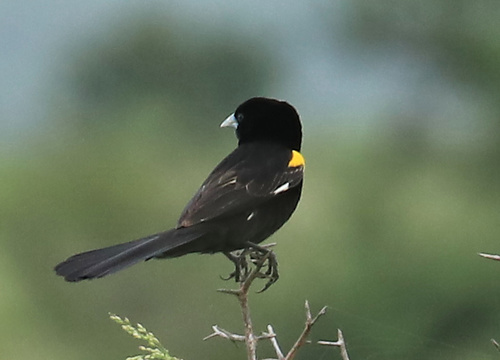
ハジロホウオウ (Euplectes albonotatus) ハジロホウオウ
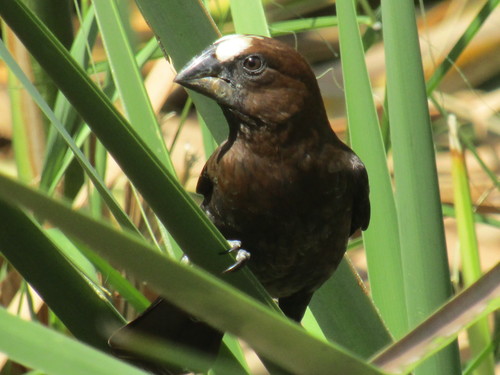
ハシブトハタオリ (Amblyospiza albifrons) ハシブトハタオリ

メディア

読み込み中…

要点

ハジロホウをハシブトハタオリから分ける最も信頼できる方法は構造によるものです:ハジロホウは細く短いくちばしを持ち、繁殖期のオスは太く白い翼の覆い羽を持つ短い尾を持っています。一方、ハタオリはその巨大で円錐形のくちばしと、より頑丈でがっしりとした外観ですぐに認識されます。すべての羽色において、ハシブトハタオリはオスのハジロホウの白い翼の斑点を欠き、代わりに均一な翼を示します。雌や非繁殖期のハジロホウは、どのハシブトハタオリよりも下側がはるかに淡いです。飛んでいるときや止まっているときは、まずくちばしの大きさと翼のパターンに注目し、その後尾の長さと形を確認し、最後に文脈として生息地と群れの行動を考慮してください。

識別のコツ

  1. Bill size and shape: ハシブトハタオリは巨大で厚い円錐形のくちばしを持ち、ハジロホウの細く尖ったくちばしよりもはるかに大きく鈍いです。これは、どの距離や角度でも最も信頼できるフィールドマークです。
  2. Wing pattern (breeding males): 繁殖期のオスのハジロホウだけが翼の覆い羽に太い白い斑点を示します;ハシブトハタオリは翼に白を持ちません。翼に白がある短尾の黒い鳥を見たら、それはハジロホウです。
  3. Tail length and shape: 繁殖期のオスのハジロホウは短い尾(ハジロホウにしては)を持ち、ハシブトハタオリは通常の四角い尾を持っています。どちらも他のいくつかのハジロホウの非常に長い尾を欠いていますが、ハタオリの尾はハジロホウの展示の尾ほど短くはありません。
  4. Underparts color (females/immatures): 雌や幼鳥のハジロホウは下側が淡いですが、ハシブトハタオリは上面と下面の間にほとんどコントラストがないより均一な色合いです。腹部が明らかに淡い場合は、ハジロホウを疑ってください。
  5. Overall structure: ハジロホウはより細く繊細で、脚が長く、体つきが軽いです。ハシブトハタオリはがっしりとして重い体を持ち、強くて牛のような外見です。
  6. Behavior: ハシブトハタオリは特に止まっているときに尾を扇いだり flick したりすることがよくあります。この行動はハジロホウにはあまり典型的ではありません。
  7. Habitat: ハシブトハタオリは葦原や湿地に強く結びついており、しばしば葦の中や湿地の端で見られます。ハジロホウはより柔軟で、開けた草原、サバンナ、さらには耕作された畑を利用します。
  8. Nest type (if visible): ハシブトハタオリは葦の間に吊るされた球状の巣を作り、上部近くに側面の入り口があります。ハジロホウの巣は卵形で、木や低木に置かれます。
  9. Flocking: 両種は群れで見られることがありますが、ハジロホウは開けた国で大きな群れを形成する可能性が高く、ハタオリは密な葦原でよりコロニアルです。
  10. Vocalizations: ハタオリからの厳しい音楽的でない歌を聞いてください;ハジロホウの鳴き声はよりシンプルで繰り返しが多いです。
  11. Sexual dimorphism: 繁殖期のオスのハジロホウは雌や幼鳥とは劇的に異なり、白い翼の斑点で暗くなります。ハシブトハタオリはそれほど劇的な性的二形性を示しません。
  12. Seasonal context: 繁殖期に翼に白がある黒い短尾の鳥を見たら、それはオスのハジロホウです。シーズン外では、くちばしの大きさと下側の色に注目してください。
  13. Potential confusion: 雌や幼鳥のハジロホウはハタオリと混同されることがありますが、常にくちばしの大きさ(ハジロホウは細く、ハタオリは厚い)と下側の色(ハジロホウは淡く、ハタオリは均一)を確認してください。
  14. Geographic overlap: 両種は南部および東部アフリカで広く重なっているため、範囲だけに頼らないでください。
  15. Hybridization: これらの2種のフィールドIDには関連しません;ビショップとのハイブリッドはハジロホウでのみ記録されています。

大きさ

ハジロホウは約21gの中型のハタオリであり、ハシブトハタオリは同様かやや重いです(正確な質量は示されていませんが、頑丈でがっしりとした鳥です)。構造的には、ハジロホウはより細く、より繊細なくちばしと短い尾を持っています(繁殖期のオスを除いて、尾はハジロホウにしてはまだ短いですが)、一方、ハタオリはより大きく、厚い円錐形のくちばしを持ち、距離があってもすぐに明らかです。ハジロホウの比率は全体的により繊細です。

羽色

幼鳥と非繁殖期のハジロホウは下側が淡く、繁殖期のオスの太い白い翼の覆い羽を欠いていますが、常にハシブトハタオリよりも細いくちばしと淡い下側を示します。繁殖期のオスのハジロホウは、短い尾と翼の覆い羽の目立つ白の組み合わせで地域内でユニークです。ハシブトハタオリは、すべての年齢と性別で翼に白を欠き、より均一な色合いで、上面と下面の間に強いコントラストがありません。雌や幼鳥のハジロホウはハタオリと混同されることがありますが、彼らの淡い腹部とより細いくちばしが重要です。ハタオリの羽毛はコントラストが少なく、くちばしは常に厚く鈍いです。

行動

ハジロホウは特に繁殖期以外に群れで見られることが多く、オスは非常に多妻的で、複数の雌にアピールします。彼らは木や低木に卵形の巣を作ります。ハシブトハタオリも多妻的に繁殖しますが、より小さなコロニーで葦原に見られることが多く、葦の間に吊るされた独特の球状の巣を構築します。ハタオリは習慣的に尾を扇いだり flick したりし、この行動はハジロホウにはあまり典型的ではありません。両種は群れで見られることがありますが、ハタオリは密な葦原にいる可能性が高く、ハジロホウはより広範囲の開けた生息地を利用します。

生息環境

ハジロホウはサバンナ、草原、湿地、時には耕作地を好み、一般的に散在する木や低木のある開けた国を好みます。ハシブトハタオリは葦の湿地や湿地に強く関連しており、繁殖期以外は森林の端や郊外の湿地で見られることがあります。鳥が葦原の奥深く、特に球状の巣のコロニーの中にいる場合、ハシブトハタオリの可能性が高いです;開けた草原や散在する低木の中、特に群れがいる場合は、ハジロホウを期待してください。

声

ハジロホウは「ゼーゼーゼー」と「ウィッツウィッツウィッツ」という比較的シンプルな鳴き声を出します。ハシブトハタオリの歌は音楽的でなく厳しく、一般的にハジロホウの鳴き声よりも耳障りでメロディックではありません。厳しく音楽的でない音の連続を聞いたら、ハシブトハタオリを疑ってください;鳴き声がよりシンプルで繰り返しが多い場合は、ハジロホウの可能性が高いです。

より良い説明を送る

比較と同じ項目を使ってください。文章はすぐに公開されます。

The most reliable way to separate White-winged Widowbird from Grosbeak Weaver is by structure: the widowbird has a slender, short bill and, in breeding males, a short tail with bold white wing coverts, while the weaver is instantly recognized by its massive, conical bill and more robust, thickset appearance. In all plumages, Grosbeak Weaver lacks the white wing patches of male widowbirds and instead shows a uniform wing. Female and non-breeding widowbirds are much paler below than any Grosbeak Weaver. In flight or perched, focus first on bill size and wing pattern, then check for tail length and shape, and finally consider habitat and flocking behavior for context.

  1. Bill size and shape: Grosbeak Weaver has a massive, thick, conical bill—much larger and blunter than the slender, pointed bill of White-winged Widowbird. This is the single most reliable field mark at any distance or angle.
  2. Wing pattern (breeding males): Only breeding male White-winged Widowbirds show bold white patches on the wing coverts; Grosbeak Weaver never has white in the wing. If you see a short-tailed black bird with white in the wing, it's a widowbird.
  3. Tail length and shape: Breeding male widowbirds have a short tail (for a widowbird), while Grosbeak Weaver has a normal, square tail. Both lack the extremely long tails of some other widowbirds, but the weaver's tail is never as short as the widowbird's in display.
  4. Underparts color (females/immatures): Female and immature White-winged Widowbirds are pale below, while Grosbeak Weaver is more uniformly colored with little contrast between upperparts and underparts. If the belly is distinctly paler, suspect widowbird.
  5. Overall structure: Widowbirds are slimmer and more delicate, with longer legs and a lighter build. Grosbeak Weavers are thickset and heavy-bodied, with a strong, bull-headed look.
  6. Behavior: Grosbeak Weavers often fan and flick their tails, especially when perched. This behavior is less typical of widowbirds.
  7. Habitat: Grosbeak Weavers are strongly tied to reedbeds and marshes, often seen among reeds or at the edge of wetlands. White-winged Widowbirds are more flexible, using open grasslands, savannas, and even cultivated fields.
  8. Nest type (if visible): Grosbeak Weaver builds a globular nest suspended between reeds, with a side entrance near the top. Widowbird nests are oval and placed in trees or shrubs.
  9. Flocking: Both species can be seen in groups, but widowbirds are more likely to form large flocks in open country, while weavers are more colonial in dense reedbeds.
  10. Vocalizations: Listen for a harsh, unmusical song from the weaver; widowbird calls are simpler and more repetitive.
  11. Sexual dimorphism: Breeding male widowbirds are dramatically different from females and immatures, turning dark with white wing patches. Grosbeak Weaver shows less dramatic sexual dimorphism.
  12. Seasonal context: If you see a black, short-tailed bird with white in the wing during the breeding season, it's a male widowbird. Out of season, focus on bill size and underparts color.
  13. Potential confusion: Female and immature widowbirds can be confused with weavers, but always check for bill size (slender in widowbird, thick in weaver) and underparts color (pale in widowbird, uniform in weaver).
  14. Geographic overlap: Both species overlap widely in southern and eastern Africa, so do not rely on range alone.
  15. Hybridization: Not relevant for field ID between these two species; hybrids with bishops are only noted in widowbirds.

White-winged Widowbird is a medium-sized weaver at about 21 g, while Grosbeak Weaver is similar or slightly heavier (precise mass not given, but it is a robust, thickset bird). Structurally, the widowbird is more slender with a finer bill and shorter tail (except in breeding males, where the tail is still short for a widowbird), while the weaver is bulkier, with a very large, thick, conical bill that is immediately obvious even at a distance. The widowbird's proportions are more delicate overall.

Juvenile and non-breeding White-winged Widowbirds are pale below and lack the bold white wing coverts of breeding males, but always show a finer bill and paler underparts than any Grosbeak Weaver. Breeding male widowbirds are unique in their region for the combination of a short tail and prominent white on the wing coverts. Grosbeak Weaver, in all ages and sexes, lacks any white on the wing and is more uniformly colored, with no strong contrast between upperparts and underparts. Female and immature widowbirds may be confused with weavers, but their paler bellies and more slender bills are key. The weaver's plumage is less contrasting and its bill is always thick and blunt.

White-winged Widowbirds are often seen in flocks, especially outside the breeding season, and males are highly polygynous, displaying to several females. They build oval nests in trees or shrubs. Grosbeak Weavers also breed polygynously but are more often found in small colonies in reedbeds, where they construct distinctive, globular nests suspended between reeds. The weaver habitually fans and flicks its tail, a behavior less typical of widowbirds. Both species may be seen in groups, but the weaver is more likely to be in dense reedbeds, while widowbirds use a wider range of open habitats.

White-winged Widowbird prefers savanna, grasslands, wetlands, and sometimes cultivated land—generally open country with scattered trees or shrubs. Grosbeak Weaver is strongly associated with reedy wetlands and marshes, and outside the breeding season may be found at forest edges or in suburban wetlands. If the bird is deep in a reedbed, especially among colonies of globular nests, Grosbeak Weaver is more likely; in open grassland or scattered bush, especially with flocks, expect White-winged Widowbird.

White-winged Widowbird gives a 'zeh-zeh-zeh' and 'witz-witz-witz' call, which is fairly simple. Grosbeak Weaver's song is described as unmusical and harsh, generally more grating and less melodic than the widowbird's calls. If you hear a harsh, unmusical series of notes, suspect Grosbeak Weaver; if the call is simpler and more repetitive, White-winged Widowbird is more likely.

変更を破棄しますか?

保存していない編集があります。今離れると失われます。

ハジロホウオウ · ハシブトハタオリ · 苦手な鳥