

White-winged Widowbird vs Grosbeak Weaver
Euplectes albonotatus contro Amblyospiza albifrons
Fai un quiz con White-winged Widowbird e Grosbeak Weaver
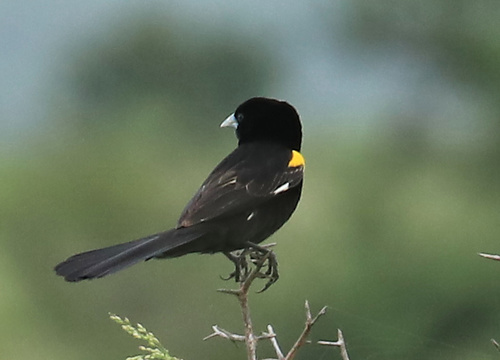 White-winged Widowbird
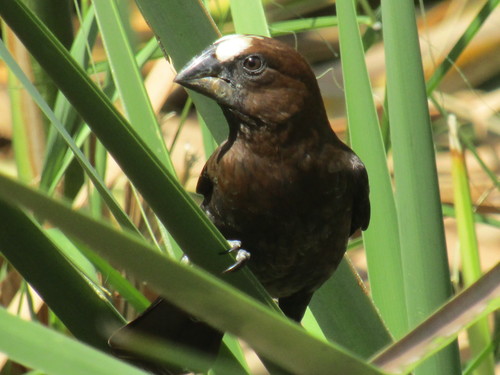 Grosbeak Weaver
In breve
Il modo più affidabile per separare il White-winged Widowbird dal Grosbeak Weaver è la struttura: il widowbird ha un becco snello e corto e, nei maschi in riproduzione, una coda corta con copritrici bianche audaci, mentre il weaver è immediatamente riconoscibile per il suo becco massiccio e conico e un aspetto più robusto e tozzo. In tutte le livree, il Grosbeak Weaver manca delle macchie bianche sulle ali dei maschi widowbird e mostra invece un'ala uniforme. I widowbird femmina e non in riproduzione sono molto più chiari sotto rispetto a qualsiasi Grosbeak Weaver. In volo o posati, concentrati prima sulla dimensione del becco e sul motivo delle ali, poi controlla la lunghezza e la forma della coda e, infine, considera l'habitat e il comportamento di gruppo per il contesto.
Consigli di identificazione
- Dimensione e forma del becco: Il Grosbeak Weaver ha un becco massiccio, spesso, conico—molto più grande e smussato rispetto al becco snello e appuntito del White-winged Widowbird. Questo è il segno di campo più affidabile a qualsiasi distanza o angolo.
- Motivo delle ali (maschi in riproduzione): Solo i maschi in riproduzione del White-winged Widowbird mostrano macchie bianche audaci sulle copritrici delle ali; il Grosbeak Weaver non ha mai bianco sulle ali. Se vedi un uccello nero con coda corta e bianco sulle ali, è un widowbird.
- Lunghezza e forma della coda: I maschi in riproduzione dei widowbird hanno una coda corta (per un widowbird), mentre il Grosbeak Weaver ha una coda normale e quadrata. Entrambi mancano delle code estremamente lunghe di alcuni altri widowbird, ma la coda del weaver non è mai così corta come quella del widowbird in mostra.
- Colore delle parti inferiori (femmine/immaturi): Le femmine e gli immaturi del White-winged Widowbird sono chiari sotto, mentre il Grosbeak Weaver è più uniformemente colorato con poco contrasto tra le parti superiori e inferiori. Se il ventre è nettamente più chiaro, sospetta un widowbird.
- Struttura generale: I widowbird sono più snelli e delicati, con zampe più lunghe e una costruzione più leggera. I Grosbeak Weavers sono tozzi e pesanti, con un aspetto robusto e massiccio.
- Comportamento: I Grosbeak Weavers spesso aprono e muovono le loro code, specialmente quando sono posati. Questo comportamento è meno tipico dei widowbird.
- Habitat: I Grosbeak Weavers sono fortemente legati a zone umide e paludi, spesso visti tra le canne o al bordo delle zone umide. I White-winged Widowbirds sono più flessibili, utilizzando praterie aperte, savane e persino campi coltivati.
- Tipo di nido (se visibile): Il Grosbeak Weaver costruisce un nido globulare sospeso tra le canne, con un ingresso laterale vicino alla cima. I nidi dei widowbird sono ovali e posti in alberi o arbusti.
- Comportamento di gruppo: Entrambe le specie possono essere viste in gruppi, ma i widowbird sono più propensi a formare grandi stormi in campagna aperta, mentre i weaver sono più coloniali in dense zone umide.
- Vocalizzazioni: Ascolta un canto aspro e non musicale del weaver; i richiami dei widowbird sono più semplici e ripetitivi.
- Dimorfismo sessuale: I maschi in riproduzione dei widowbird sono drammaticamente diversi dalle femmine e dagli immaturi, diventando scuri con macchie bianche sulle ali. Il Grosbeak Weaver mostra un dimorfismo sessuale meno drammatico.
- Contesto stagionale: Se vedi un uccello nero con coda corta e bianco sulle ali durante la stagione di riproduzione, è un maschio widowbird. Fuori stagione, concentrati sulla dimensione del becco e sul colore delle parti inferiori.
- Confusione potenziale: Le femmine e gli immaturi dei widowbird possono essere confusi con i weaver, ma controlla sempre la dimensione del becco (snello nel widowbird, spesso nel weaver) e il colore delle parti inferiori (chiaro nel widowbird, uniforme nel weaver).
- Sovrapposizione geografica: Entrambe le specie si sovrappongono ampiamente nell'Africa meridionale e orientale, quindi non fare affidamento solo sull'areale.
- Ibridazione: Non rilevante per l'identificazione sul campo tra queste due specie; gli ibridi con i vescovi sono notati solo nei widowbird.
Taglia
Il White-winged Widowbird è un weaver di dimensioni medie di circa 21 g, mentre il Grosbeak Weaver è simile o leggermente più pesante (massa precisa non fornita, ma è un uccello robusto e tozzo). Strutturalmente, il widowbird è più snello con un becco più fine e una coda più corta (eccetto nei maschi in riproduzione, dove la coda è ancora corta per un widowbird), mentre il weaver è più massiccio, con un becco molto grande, spesso e conico che è immediatamente evidente anche a distanza. Le proporzioni del widowbird sono complessivamente più delicate.
Piumaggio
I juvenile e i widowbird non in riproduzione sono chiari sotto e mancano delle audaci copritrici bianche delle ali dei maschi in riproduzione, ma mostrano sempre un becco più fine e parti inferiori più chiare rispetto a qualsiasi Grosbeak Weaver. I maschi in riproduzione dei widowbird sono unici nella loro regione per la combinazione di una coda corta e un bianco prominente sulle copritrici delle ali. Il Grosbeak Weaver, in tutte le età e sessi, manca di bianco sulle ali ed è più uniformemente colorato, senza forte contrasto tra le parti superiori e inferiori. Le femmine e gli immaturi dei widowbird possono essere confusi con i weaver, ma i loro ventri più chiari e i beccucci più snelli sono fondamentali. La livrea del weaver è meno contrastante e il suo becco è sempre spesso e smussato.
Comportamento
I White-winged Widowbirds sono spesso visti in stormi, specialmente al di fuori della stagione di riproduzione, e i maschi sono altamente poligini, esibendosi a diverse femmine. Costruiscono nidi ovali in alberi o arbusti. I Grosbeak Weavers si riproducono anch'essi poligini, ma si trovano più spesso in piccole colonie nelle zone umide, dove costruiscono nidi globulari distintivi sospesi tra le canne. Il weaver abitualmente apre e muove la sua coda, un comportamento meno tipico dei widowbird. Entrambe le specie possono essere viste in gruppi, ma il weaver è più propenso a trovarsi in dense zone umide, mentre i widowbird utilizzano una gamma più ampia di habitat aperti.
Habitat
Il White-winged Widowbird preferisce savane, praterie, zone umide e talvolta terreni coltivati—generalmente campagna aperta con alberi o arbusti sparsi. Il Grosbeak Weaver è fortemente associato a zone umide e paludi, e fuori stagione di riproduzione può essere trovato ai margini delle foreste o in zone umide suburbane. Se l'uccello è profondo in una zona umida, specialmente tra colonie di nidi globulari, è più probabile che sia un Grosbeak Weaver; in praterie aperte o arbusti sparsi, specialmente con stormi, aspettati un White-winged Widowbird.
Voce
Il White-winged Widowbird emette un richiamo 'zeh-zeh-zeh' e 'witz-witz-witz', che è abbastanza semplice. Il canto del Grosbeak Weaver è descritto come non musicale e aspro, generalmente più stridente e meno melodico rispetto ai richiami del widowbird. Se senti una serie di note aspre e non musicali, sospetta un Grosbeak Weaver; se il richiamo è più semplice e ripetitivo, è più probabile che sia un White-winged Widowbird.
White-winged Widowbird · Grosbeak Weaver · I miei uccelli difficili