

Motmot

アメリカビロードキンクロ 対 ビロードキンクロ

Melanitta deglandi 対 Melanitta stejnegeri

アメリカビロードキンクロとビロードキンクロのクイズ
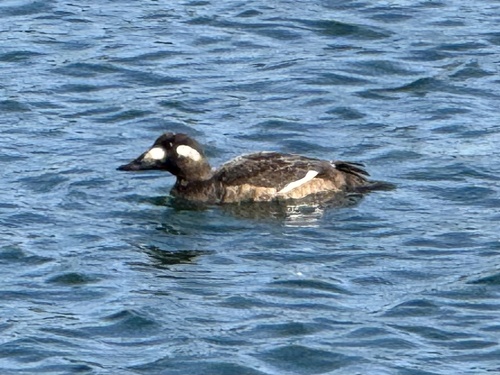
アメリカビロードキンクロ (Melanitta deglandi) アメリカビロードキンクロ
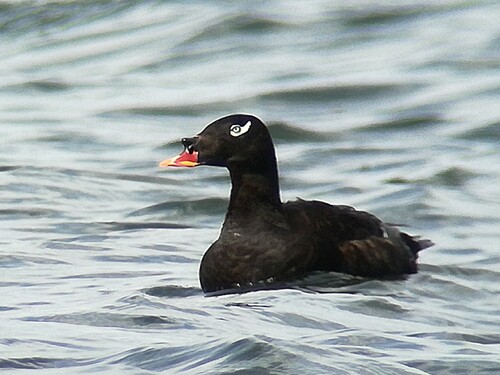
ビロードキンクロ (Melanitta stejnegeri) ビロードキンクロ

メディア

読み込み中…

要点

アメリカビロードキンクロとビロードキンクロの間で最も信頼できるフィールドマークは、頭部とくちばしの形状です:アメリカビロードキンクロは、くちばしの基部で直角の羽毛を持つ段階的なプロファイルを示し、一方ビロードキンクロは、長く傾斜のある「ローマの鼻」と鋭角の羽毛を持っています。成鳥のオスは、くちばしのノブの高さと色でも異なりますが、これらのマークは遠くから見ると微妙です。メスと幼鳥は非常に似ていますが、頭部のプロファイルと上顎に沿った羽毛の角度が最も良い手がかりです。飛行中、両種は白い二次的な斑点を示すため、翼のパターンは強い区別要因ではありません。注意が必要です:若いメスと幼鳥は特に難しく、近くで長時間観察しないと安全に識別できないことが多いです。

識別のコツ

  1. 頭部とくちばしの形状(全年齢/性別): アメリカビロードキンクロは、くちばしと額の間に「二段階」のプロファイルを持ち、上顎の基部の羽毛が直角を形成しています。ビロードキンクロは、長く傾斜のある「ローマの鼻」のプロファイルを示し、羽毛が鋭角を形成しています。これはすべての羽色で最も一貫したフィールドマークです。
  2. くちばしのノブ(成鳥のオス): アメリカビロードキンクロのオスは、低く目立たないくちばしのノブを持ち、くちばしは主に暗い黄色で、オレンジと赤が少しあります。ビロードキンクロのオスは、主にオレンジ色の黄色のくちばしの基部に非常に高く目立つノブを持っています。これは近距離または良い光の下で最もよく見えます。
  3. 脇の色(成鳥のオス): アメリカビロードキンクロのオスは、ビロードキンクロに比べて脇が茶色がかっていますが、ビロードキンクロは全体的に暗いです。これは微妙で、光や姿勢によって影響を受けることがあります。
  4. 白いスペキュラム(全年齢): 両種は、飛行中に見える翼の白い二次的な斑点を示します。このマークは二つを区別しません。
  5. 顔のパターン(メス/幼鳥): 両種のメスと幼鳥は、特に若い時に目の前後に白い斑点を示すことがあります。これらの斑点の広がりと存在は非常に変動があり、重なり合うため、このマークに頼らないでください。
  6. 体の形(メス): アメリカビロードキンクロのメスは、より角ばった頭を持ち、よりふくよかに見える傾向がありますが、ビロードキンクロは長い頭でスリムに見えますが、これは微妙で主観的です。
  7. くちばしの羽毛の角度(全年齢): 近距離で、羽毛がくちばしに出会う角度を探してください:直角(アメリカビロードキンクロ)、鋭角(ビロードキンクロ)。これは、鳥が近くにいてくちばしが妨げられていない場合でないと判断が難しいことがあります。
  8. 幼鳥の上翼(両方): 白い翼の斑点に診断的な違いはありません;両方とも飛行中に白い二次羽を示すため、このマークを区別に使用しないでください。
  9. 性差(両方): 二年目のオスのアメリカビロードキンクロは成鳥に似ていますが、目のマークが減少し、脇が茶色がかっています;同じ年齢のビロードキンクロのオスは詳細に記述されていませんが、非常に似ている可能性があります。
  10. 季節的変化(メス): 両種の成鳥のメスは、冬に単色のチョコレートブラウンに見えることがあり、ほとんどの顔のコントラストを失います。頭の形とくちばしの羽毛が最良の手がかりです。
  11. 分布(北アメリカ): アラスカまたはベーリング海地域の外で見られた場合、ビロードキンクロは非常に珍しいため、地理的な確率を考慮する必要がありますが、ポジティブな識別には頼らないでください。
  12. 群れの構造と行動: 両種は大きく、密集した群れを形成し、一緒に飛び立ちます;行動は彼らを区別するのに役立ちません。
  13. サイズ: 両方とも大きなスコータであり、サイズは信頼できるフィールドマークではありません。
  14. 声: フィールドで記述されたり診断的な特徴のある独特の声の違いはありません。
  15. 落とし穴: ほとんどの混同はメスと幼鳥で発生します;良い視界があっても、一部の鳥は近くで詳細に観察しないと識別できないことがあります。疑わしい場合は、頭部とくちばしのプロファイルを注意深く記録してください。

大きさ

両種は大きな海のカモであり、サイズは非常に似ており、アメリカビロードキンクロは北アメリカで最も大きなスコータです。成鳥のオスのアメリカビロードキンクロは、平均して約55 cmの長さと1,380 gの体重を持ち、メスは平均52.3 cmと1,180 gです。ビロードキンクロも大きなスコータですが、直接的な比較測定は提供されていません;フィールドでは、サイズはこれら二つを区別する信頼できる要因ではありません。

羽色

全ての年齢と性別において、両種は飛行中に見える翼の白い二次的な斑点を示しますが、泳いでいるときはしばしば隠れています。この斑点は二つを区別するものではありません。幼鳥のオスのアメリカビロードキンクロは、幼鳥のメスよりも大きな二次羽毛のカバーにより広範囲な白を示すことがありますが、これはビロードキンクロから彼らを区別するのには役立ちません。成鳥のオスのアメリカビロードキンクロは、脇が茶色がかり、主に暗い黄色のくちばしを持ち、低く目立たないノブを持っていますが、ビロードキンクロのオスは、主にオレンジ色の黄色のくちばしの基部に高く目立つノブを持っています。メスと幼鳥の羽色は両方で非常に変動があり、アメリカビロードキンクロはより「段階的」な頭部プロファイルを持ち、ビロードキンクロはより長く傾斜のあるプロファイルを持つ傾向があります。若いメスと幼鳥の顔の白い斑点は変動があり、種間で重なり合うため、信頼できません。両方の成鳥のメスは、冬に単色の茶色に見えることがあります。

行動

両種は海のカモであり、沿岸の水域で大きく密集した群れを形成します。彼らの飛行スタイルと群れ行動は似ており、両方ともグループで一緒に飛び立つことがあります。フィールドで彼らを区別するための強い行動の違いはありません。

生息環境

アメリカビロードキンクロは、北アメリカの湖、川、沿岸地域で繁殖し、ビロードキンクロは北アジアで繁殖し、アジアの南部で越冬します。北アメリカでは、ビロードキンクロは主にアラスカで珍しい訪問者です。両種は存在する際に似た水生生息地を使用するため、ビロードキンクロが迷子である地域を除いて、生息地は信頼できる区別要因ではありません。

より良い説明を送る

比較と同じ項目を使ってください。文章はすぐに公開されます。

The most reliable field mark between White-winged Scoter and Stejneger's Scoter is the head and bill shape: White-winged shows a stepped profile with a right-angled feathering at the base of the bill, while Stejneger's has a long, sloping 'Roman nose' and an acute angle of feathering. Adult males also differ in bill knob height and color, but these marks can be subtle at distance. Females and immatures are extremely similar, but the head profile and the angle of feathering along the upper mandible remain the best clues. In flight, both species show a white secondary patch, so wing pattern is not a strong separator. Be cautious: young females and juveniles are especially challenging and often only safely identified with close, prolonged views.

  1. Head and Bill Shape (All Ages/Sexes): White-winged Scoter has a 'two-stepped' profile between the bill and forehead, with the feathering at the base of the upper mandible forming a right angle. Stejneger's Scoter shows a long, sloping 'Roman nose' profile, with feathering forming an acute angle. This is the most consistent field mark in all plumages.
  2. Bill Knob (Adult Males): White-winged Scoter males have a lower, less prominent bill knob, and the bill is mostly dark yellow with some orange and red. Stejneger's males have a very tall, prominent knob at the base of a mostly orange-yellow bill. This is best seen at close range or in good light.
  3. Flank Color (Adult Males): White-winged Scoter males have browner flanks compared to Stejneger's, which are darker overall. This is subtle and can be affected by light and posture.
  4. White Speculum (All Ages): Both species show a white secondary patch in the wing, visible in flight. This mark does not separate the two.
  5. Facial Pattern (Females/Juveniles): Both species' females and immatures can show white spots in front of and behind the eye, especially when young. The extent and presence of these spots is highly variable and overlaps; do not rely on this mark.
  6. Body Shape (Females): White-winged females tend to look bulkier with a more angular head, while Stejneger's appear longer-headed and sleeker, but this is subtle and subjective.
  7. Bill Feathering Angle (All Ages): At close range, look for the angle where the feathering meets the bill: right angle (White-winged), acute angle (Stejneger's). This can be hard to judge unless the bird is close and the bill is unobstructed.
  8. Juvenile Upperwing (Both): No diagnostic difference in the white wing patch; both show white secondaries in flight, so do not use this mark for separation.
  9. Sex Differences (Both): Second-year male White-winged Scoters resemble adults but have reduced eye markings and browner flanks; similar-aged Stejneger's males are not described in detail but are likely very similar.
  10. Seasonal Variation (Females): Adult females of both species can appear plain chocolate brown in winter, losing most facial contrast. Head shape and bill feathering remain the best clues.
  11. Range (North America): If seen outside Alaska or the Bering Sea region, Stejneger's Scoter is extremely rare, so geographic probability should be considered, but not relied upon for a positive ID.
  12. Flock Structure and Behavior: Both species form large, tight flocks and take off together; behavior does not help separate them.
  13. Size: Both are large scoters; size is not a reliable field mark.
  14. Voice: No distinctive vocal differences are described or diagnostic in the field.
  15. Pitfalls: Most mix-ups occur with females and immatures; even with good views, some birds may remain unidentifiable without close, detailed study. When in doubt, document the head and bill profile carefully.

Both species are large sea ducks and are very similar in size, with White-winged Scoter being the largest North American scoter. Adult male White-winged Scoters average about 55 cm in length and 1,380 g, while females average 52.3 cm and 1,180 g. Stejneger's Scoter is also a large scoter, but no direct comparative measurements are provided; in the field, size is not a reliable separator between these two.

For all ages and sexes, both species show a white secondary patch in the wing, visible in flight but often hidden when swimming. This patch is not diagnostic between the two. Juvenile male White-winged Scoters may show more extensive white on the greater secondary coverts than juvenile females, but this does not help separate them from Stejneger's. In adult males, White-winged Scoters have browner flanks and a mostly dark yellow bill with a lower, less prominent knob, while Stejneger's males have a taller, more pronounced knob at the base of a mostly orange-yellow bill. Female and immature plumage is highly variable in both, with White-winged tending to have a more 'stepped' head profile and Stejneger's a longer, sloping profile. Facial white spots in young females and juveniles are variable and overlap between species, so are not reliable. Adult females of both can appear plain brown in winter.

Both species are sea ducks that form large, tightly packed flocks on coastal waters. Their flight style and flocking behavior are similar, and both may take off together in groups. There are no strong behavioral differences to separate them in the field.

White-winged Scoter breeds in North America near lakes, rivers, and coastal areas, while Stejneger's Scoter breeds in northern Asia and winters further south in Asia. In North America, Stejneger's is a rare visitor, mostly in Alaska. Both species use similar aquatic habitats when present, so habitat is not a reliable separator except in areas where Stejneger's is a vagrant.

変更を破棄しますか?

保存していない編集があります。今離れると失われます。

アメリカビロードキンクロ · ビロードキンクロ · 苦手な鳥