

White-winged Scoter vs Stejneger's Scoter
Melanitta deglandi contro Melanitta stejnegeri
Fai un quiz con White-winged Scoter e Stejneger's Scoter
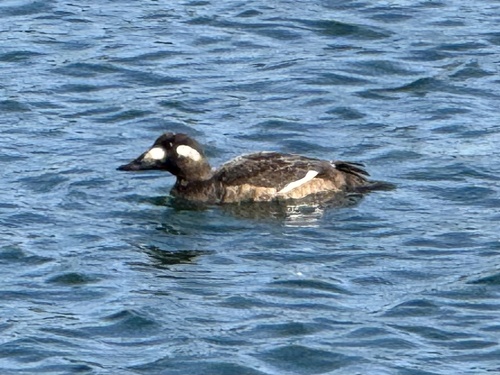 White-winged Scoter
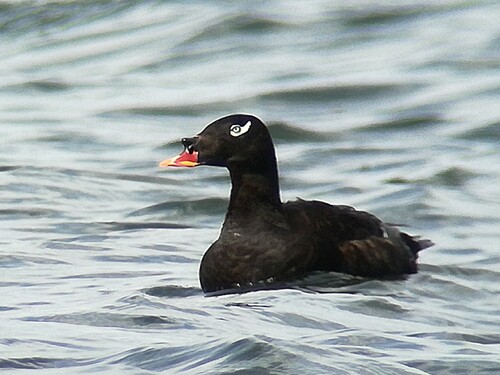 Stejneger's Scoter
In breve
Il segno di campo più affidabile tra il White-winged Scoter e lo Stejneger's Scoter è la forma della testa e del becco: il White-winged mostra un profilo a gradini con una piumatura ad angolo retto alla base del becco, mentre lo Stejneger's ha un lungo 'naso romano' inclinato e un angolo acuto di piumatura. I maschi adulti differiscono anche in altezza e colore del nodulo del becco, ma questi segni possono essere sottili a distanza. Le femmine e gli immaturi sono estremamente simili, ma il profilo della testa e l'angolo di piumatura lungo il mandibolo superiore rimangono i migliori indizi. In volo, entrambe le specie mostrano una macchia secondaria bianca, quindi il modello dell'ala non è un forte separatore. Fai attenzione: le giovani femmine e i giovanili sono particolarmente difficili e spesso possono essere identificati in modo sicuro solo con osservazioni ravvicinate e prolungate.
Consigli di identificazione
- Forma della Testa e del Becco (Tutte le Età/Sessi): Il White-winged Scoter ha un profilo 'a due gradini' tra il becco e la fronte, con la piumatura alla base del mandibolo superiore che forma un angolo retto. Lo Stejneger's Scoter mostra un profilo lungo e inclinato 'naso romano', con piumatura che forma un angolo acuto. Questo è il segno di campo più consistente in tutte le livree.
- Nodulo del Becco (Maschi Adulti): I maschi del White-winged Scoter hanno un nodulo del becco più basso e meno prominente, e il becco è per lo più di un giallo scuro con alcune sfumature di arancione e rosso. I maschi dello Stejneger's hanno un nodulo molto alto e prominente alla base di un becco per lo più arancione-giallo. Questo è meglio visibile a distanza ravvicinata o in buona luce.
- Colore dei Fianchi (Maschi Adulti): I maschi del White-winged Scoter hanno fianchi più marroni rispetto allo Stejneger's, che sono più scuri nel complesso. Questo è sottile e può essere influenzato dalla luce e dalla postura.
- Speculum Bianco (Tutte le Età): Entrambe le specie mostrano una macchia secondaria bianca nell'ala, visibile in volo. Questo segno non separa le due.
- Motivo Facciale (Femmine/Giovanili): Le femmine e gli immaturi di entrambe le specie possono mostrare macchie bianche davanti e dietro l'occhio, specialmente quando sono giovani. L'estensione e la presenza di queste macchie sono altamente variabili e si sovrappongono; non fare affidamento su questo segno.
- Forma del Corpo (Femmine): Le femmine del White-winged tendono a sembrare più robuste con una testa più angolare, mentre lo Stejneger's appare con una testa più lunga e snella, ma questo è sottile e soggettivo.
- Angolo della Piumatura del Becco (Tutte le Età): A distanza ravvicinata, cerca l'angolo in cui la piumatura incontra il becco: angolo retto (White-winged), angolo acuto (Stejneger's). Questo può essere difficile da giudicare a meno che l'uccello non sia vicino e il becco non sia ostruito.
- Ala Superiore Giovanile (Entrambi): Nessuna differenza diagnostica nella macchia bianca dell'ala; entrambi mostrano secondarie bianche in volo, quindi non utilizzare questo segno per la separazione.
- Differenze Sessuali (Entrambi): I maschi del White-winged Scoter di secondo anno somigliano agli adulti ma hanno marcature oculari ridotte e fianchi più marroni; i maschi dello Stejneger's di età simile non sono descritti in dettaglio ma sono probabilmente molto simili.
- Variazione Stagionale (Femmine): Le femmine adulte di entrambe le specie possono apparire di un marrone cioccolato uniforme in inverno, perdendo gran parte del contrasto facciale. La forma della testa e la piumatura del becco rimangono i migliori indizi.
- Distribuzione (Nord America): Se avvistato al di fuori dell'Alaska o della regione del Mare di Bering, lo Stejneger's Scoter è estremamente raro, quindi la probabilità geografica dovrebbe essere considerata, ma non fare affidamento su di essa per un'identificazione positiva.
- Struttura del Branco e Comportamento: Entrambe le specie formano grandi branchi compatti e decollano insieme; il comportamento non aiuta a separarli.
- Dimensioni: Entrambi sono grandi scoter; la dimensione non è un segno di campo affidabile.
- Voce: Non sono descritte differenze vocali distintive o diagnostiche sul campo.
- Trappole: La maggior parte delle confusioni si verifica con femmine e immaturi; anche con buone osservazioni, alcuni uccelli possono rimanere non identificabili senza uno studio ravvicinato e dettagliato. In caso di dubbio, documenta attentamente il profilo della testa e del becco.
Taglia
Entrambe le specie sono grandi anatre marine e sono molto simili in dimensioni, con il White-winged Scoter che è il più grande scoter nordamericano. I maschi adulti del White-winged Scoter misurano in media circa 55 cm di lunghezza e 1.380 g, mentre le femmine misurano in media 52,3 cm e 1.180 g. Anche lo Stejneger's Scoter è un grande scoter, ma non sono forniti misurazioni comparative dirette; sul campo, la dimensione non è un separatore affidabile tra questi due.
Piumaggio
Per tutte le età e i sessi, entrambe le specie mostrano una macchia secondaria bianca nell'ala, visibile in volo ma spesso nascosta quando nuotano. Questa macchia non è diagnostica tra le due. I giovani maschi del White-winged Scoter possono mostrare più bianco sulle copritrici secondarie maggiori rispetto alle femmine giovanili, ma questo non aiuta a separarli dallo Stejneger's. Nei maschi adulti, i White-winged Scoters hanno fianchi più marroni e un becco per lo più giallo scuro con un nodulo più basso e meno prominente, mentre i maschi dello Stejneger's hanno un nodulo più alto e pronunciato alla base di un becco per lo più arancione-giallo. La livrea delle femmine e degli immaturi è altamente variabile in entrambe, con il White-winged che tende ad avere un profilo della testa più 'a gradini' e lo Stejneger's un profilo più lungo e inclinato. Le macchie bianche facciali nelle giovani femmine e nei giovanili sono variabili e si sovrappongono tra le specie, quindi non sono affidabili. Le femmine adulte di entrambe possono apparire di un marrone uniforme in inverno.
Comportamento
Entrambe le specie sono anatre marine che formano grandi branchi compatti nelle acque costiere. Il loro stile di volo e il comportamento di branco sono simili, e entrambe possono decollare insieme in gruppi. Non ci sono forti differenze comportamentali per separarli sul campo.
Habitat
Il White-winged Scoter nidifica in Nord America vicino a laghi, fiumi e aree costiere, mentre lo Stejneger's Scoter nidifica nell'Asia settentrionale e sverna più a sud in Asia. In Nord America, lo Stejneger's è un visitatore raro, principalmente in Alaska. Entrambe le specie utilizzano habitat acquatici simili quando presenti, quindi l'habitat non è un separatore affidabile tranne che in aree dove lo Stejneger's è un vagabondo.
White-winged Scoter · Stejneger's Scoter · I miei uccelli difficili