

Motmot

シロビタイシャコバト 対 ハジロバト

Leptotila verreauxi 対 Zenaida asiatica

シロビタイシャコバトとハジロバトのクイズ
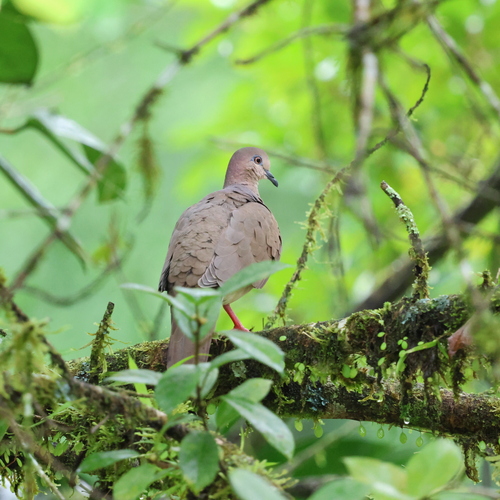
シロビタイシャコバト (Leptotila verreauxi) シロビタイシャコバト
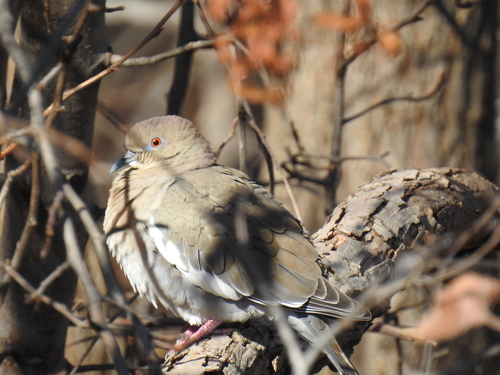
ハジロバト (Zenaida asiatica) ハジロバト

メディア

読み込み中…

要点

ホワイトティップダブとハジロバトを区別する最も信頼できるフィールドマークは、折りたたまれた翼の大胆な白いエッジと、ハジロバトの飛行中の輝く白い三日月の存在です。これはホワイトティップダブにはまったくありません。両種はサイズと全体的な茶色がかった灰色の色合いが似ていますが、ホワイトティップダブは尾に広い白い先端を示し(下からまたは飛行中に最もよく見えます)、ハジロバトは短く丸い尾を持ち、この特徴がありません。目の色とアイリングが役立ちます:ハジロバトは常に青いアイリングと赤い目(幼鳥は茶色)を持ち、ホワイトティップダブのアイリングは地域や年齢によって赤または青で、虹彩は黄色です。幼鳥のハジロバトは鈍く、虹色が欠けていますが、白い翼のパッチはまだ示しています。止まっているか地面からの視点では、最も早く区別するために翼と尾のパターンに焦点を当ててください。

識別のコツ

  1. 白い翼のパッチ(すべての年齢): ハジロバトだけが折りたたまれた翼の大胆な白いエッジと飛行中の輝く白い三日月を持っています。止まっているときや飛行中に翼に白が見えたら、それはハジロバトです。年齢や季節に関係なく。
  2. 尾のパターン(すべての年齢): ホワイトティップダブは尾に広い白い先端を持ち、下からまたは飛行中に最もよく見えます。ハジロバトは白い先端のない短く丸い尾を持っています。飛行中は、尾の端のコントラストを探してください。
  3. 目とアイリングの色(成鳥): ハジロバトの成鳥は青いアイリングと明るい赤(深紅)の目を持っています。ホワイトティップダブの成鳥は赤または青のアイリング(地域依存)と黄色の虹彩を持っています。幼鳥のハジロバトは茶色の目を持っていますが、青いアイリングはまだ存在します。
  4. アンダーウィングの色(成鳥): ホワイトティップダブは、飛行中または鳥が翼を伸ばしたときに見える赤褐色のアンダーウィングカバーを示します。これはハジロバトの特徴ではありません。
  5. 顔のマーキング(成鳥): ハジロバトは下顔に長い暗いマークを示し、オスではやや虹色の紫色の冠/首とより特徴的な耳の斑点を持っています(ただし、これらは微妙でフィールドでは信頼できません)。ホワイトティップダブはこれらのマークがありません。
  6. 全体的な色合い: 両種は上面が茶色がかった灰色で、下面が淡いですが、ホワイトティップダブは額と喉がより淡く、胸にピンクがかったまたはバフの色合いがあります。ハジロバトは下面がより均一に灰色です。
  7. 幼鳥の混乱: 幼鳥のハジロバトは鈍く、灰色で、茶色の目を持っていますが、白い翼のパッチはまだ示しています。幼鳥のホワイトティップダブは成鳥に似ていますが、翼に白を示すことはありません。
  8. 尾の形: ホワイトティップダブは白い先端を持つより広く、より四角い尾を持っています。ハジロバトは短く丸い尾を持っています。
  9. 飛行スタイル: 両種は速く、直接的な飛行を持っていますが、ハジロバトはより大きな群れで、より開けた空間で見られることが多く、ホワイトティップダブはより孤立しており、カバーの近くに留まります。
  10. 生息地の文脈: 湿気の多い密林ではホワイトティップダブがより可能性が高く、開けた都市部や乾燥した地域ではハジロバトが好まれます。
  11. 止まっている姿勢: ホワイトティップダブはしばしばより丸まって見え、低くまたはカバーの中に留まります。ハジロバトはより直立して止まり、しばしばワイヤーや露出した枝の上に見られます。
  12. 声: 深く、空洞の二音の呼び声(ooo-wooooo)が聞こえたら、それはおそらくホワイトティップダブです。ハジロバトの呼び声はここでは詳述されていません。
  13. 脚の色: 両方とも赤またはピンクがかった赤の脚を持っていますが、ハジロバトの方が明るいです。
  14. くちばしの色: 両方とも暗いくちばしを持っていますが、区別のための有用なフィールドマークではありません。
  15. 性差: 両種はフィールドで性別的に単形であり、同定に性別を頼らないでください。

大きさ

両方のバトはその家族にとって大きく、ほぼ同じ長さ(約28〜29 cm)と体重(ホワイトティップダブ:約155 g; ハジロバト:約153 g)です[wikipedia][wikidata]。フィールドでは、どちらの種も他の種より明らかに大きいまたは重いわけではありません。性別はどちらの種でもサイズで信頼できるように区別できず、日々の体重変化は質量を信頼できないフィールドマークにします。尾の形(ホワイトティップ:広い、ハジロバト:短く丸い)などの構造的な違いは、サイズよりも有用です。

羽色

行動

ホワイトティップダブは一般的に孤立しているかペアで、警戒心が強く、主に地面で採餌しながらカバーの近くに留まります。彼らの飛行は速く、直接的で、定期的な翼の打撃といくつかの音を伴います。ハジロバトはしばしばより大きな群れで見られ、特に繁殖期以外では目立って止まることがあります。彼らの飛行も直接的で強いですが、開けた地域で見られることが多く、餌を食べる場所と休息する場所の間を飛ぶことが多いです。両種は木に枝を使った巣を作りますが、ハジロバトはより多様な木に巣を作り、人工構造物の上にはめったに巣を作りません。

生息環境

ホワイトティップダブは森林の生息地を好み、しばしば湿気が多いか半開放的で、より密なカバーで見つかる可能性が高いです。ハジロバトはより多様で、南西部のアメリカからメキシコ、中米、カリブ海を経て、開けた森林、都市部、水源の近くで見られることが多いです。重複する地域では、ホワイトティップダブはより湿気の多い森林の斑点に留まる傾向があり、ハジロバトは開けた都市化された生息地に対してより耐性があります。

声

ホワイトティップダブは深く、空洞の二音の呼び声を出します:導入のフーという音の後に、より長く、より聞こえる空洞の音(ooo-wooooo)が続きます。ハジロバトの呼び声は提供されたメモには記載されていないため、この文脈では音声化は分離のための主要なフィールドマークではありません。

より良い説明を送る

比較と同じ項目を使ってください。文章はすぐに公開されます。

The most reliable field mark to separate White-tipped Dove from White-winged Dove is the presence of a bold white edge on the folded wing and a brilliant white crescent in flight on the White-winged Dove, which is entirely absent in White-tipped Dove. Both species are similar in size and overall brownish-gray coloration, but White-tipped Dove shows a broad white tip to the tail (best seen from below or in flight), while White-winged Dove has a short, rounded tail and lacks this feature. Eye color and eye-ring can help: White-winged Dove always has a blue eye-ring and red eyes (brown in juveniles), while White-tipped Dove’s eye-ring is red or blue depending on region and age, and its iris is yellow. Juvenile White-winged Doves are duller and lack iridescence, but still show the white wing patch. In perched or ground views, focus on the wing and tail pattern for the quickest separation.

  1. White wing patch (all ages): Only White-winged Dove has a bold white edge on the folded wing and a brilliant white crescent in flight. If you see white on the wing at rest or in flight, it's a White-winged Dove, regardless of age or season.
  2. Tail pattern (all ages): White-tipped Dove has a broad white tip to the tail, best seen from below or in flight. White-winged Dove has a short, rounded tail with no white tip. In flight, look for the contrast at the tail end.
  3. Eye and eye-ring color (adults): White-winged Dove adults have a blue eye-ring and bright red (crimson) eyes. White-tipped Dove adults have a red or blue eye-ring (region-dependent) and a yellow iris. Juvenile White-winged Doves have brown eyes, but the blue eye-ring is still present.
  4. Underwing color (adults): White-tipped Dove shows rufous underwing coverts, visible in flight or if the bird stretches its wing. This is not a feature of White-winged Dove.
  5. Facial markings (adults): White-winged Dove shows a long, dark mark on the lower face and, in males, a slightly more iridescent purple crown/neck and a more distinctive ear spot (though these are subtle and unreliable in the field). White-tipped Dove lacks these marks.
  6. Overall coloration: Both species are brownish-gray above and pale below, but White-tipped Dove is paler on the forehead and throat, with a pinkish or buff tinge to the chest. White-winged Dove is more uniformly gray below.
  7. Juvenile confusion: Juvenile White-winged Doves are duller and grayer, with brown eyes, but still show the white wing patch. Juvenile White-tipped Doves look like adults but never show white on the wing.
  8. Tail shape: White-tipped Dove has a broader, more squared tail with a white tip; White-winged Dove has a short, rounded tail.
  9. Flight style: Both species have fast, direct flight, but White-winged Dove may be seen in larger flocks and more open airspace, while White-tipped Dove is more solitary and stays close to cover.
  10. Habitat context: In humid, dense woodland, White-tipped Dove is more likely; in open, urban, or arid areas, White-winged Dove is favored.
  11. Perched posture: White-tipped Dove often appears more hunched and stays low or in cover; White-winged Dove perches more upright and is often seen on wires or exposed branches.
  12. Voice: If you hear a deep, hollow two-note call (ooo-wooooo), it's likely White-tipped Dove. White-winged Dove’s call is not detailed here.
  13. Leg color: Both have red or pinkish-red legs, but White-winged Dove's are brighter.
  14. Bill color: Both have dark bills; not a useful field mark for separation.
  15. Sex differences: Both species are sexually monomorphic in the field; do not rely on sex for identification.

Both doves are large for their family, with nearly identical lengths (about 28–29 cm) and weights (White-tipped Dove: ~155 g; White-winged Dove: ~153 g) [wikipedia][wikidata]. In the field, neither species is noticeably larger or bulkier than the other. Sexes are not reliably separable by size in either species, and daily weight changes make mass an unreliable field mark. Structural differences such as tail shape (White-tipped: broad, White-winged: short and rounded) are more useful than size.

  • Juvenile/immature birds: Juvenile White-winged Doves are duller and grayer than adults, lack iridescence, and have brown eyes, but they still show the diagnostic white wing patch at rest and in flight. Juvenile White-tipped Doves resemble adults in overall pattern but may be less crisp; they never show a white wing patch, but do have a broad white tail tip visible from below or in flight.

  • Adults: White-winged Dove adults are brownish-gray above, gray below, with a bold white edge on the folded wing and a brilliant white crescent in flight. They have a blue eye-ring and red (crimson) eyes, plus a dark mark on the lower face. White-tipped Dove adults are gray-brown above, whitish below with pinkish or buff on the chest, and have a broad white tail tip but no white on the wing. Their eye-ring is usually red (sometimes blue in Amazon/northern South America), and their iris is yellow. Underwing coverts are rufous in White-tipped Dove, not noted in White-winged Dove.

  • Tail: White-tipped Dove has a broad white tip to the tail, best seen from below or in flight. White-winged Dove has a short, rounded tail lacking a white tip.

White-tipped Doves are generally solitary or in pairs, wary, and stay close to cover, foraging mainly on the ground. Their flight is fast and direct with regular wingbeats and some clattering. White-winged Doves are often seen in larger groups, especially outside breeding, and may perch conspicuously. Their flight is also direct and strong, but they are more likely to be seen in open areas or flying between feeding and roosting sites. Both species build stick nests in trees, but White-winged Doves may nest in a wider variety of trees and rarely on man-made structures.

White-tipped Dove prefers woodland habitats, often humid or semi-open, and is more likely found in denser cover. White-winged Dove is more versatile, ranging from the Southwestern US through Mexico, Central America, and the Caribbean, and is often found in open woodlands, urban areas, and near water sources. In areas of overlap, White-tipped Dove tends to stick to more humid or forested patches, while White-winged Dove is more tolerant of open and urbanized habitats.

White-tipped Dove gives a deep, hollow two-note call: an introductory hoot followed by a longer, more audible, hollow note (ooo-wooooo). White-winged Dove’s call is not described in the provided notes, so vocalization is not a primary field mark for separation in this context.

変更を破棄しますか?

保存していない編集があります。今離れると失われます。

シロビタイシャコバト · ハジロバト · 苦手な鳥