

Motmot

ノドジロオニキバシリ 対 ヒメウロコオニキバシリ

Xiphocolaptes albicollis 対 Xiphorhynchus fuscus

ノドジロオニキバシリとヒメウロコオニキバシリのクイズ
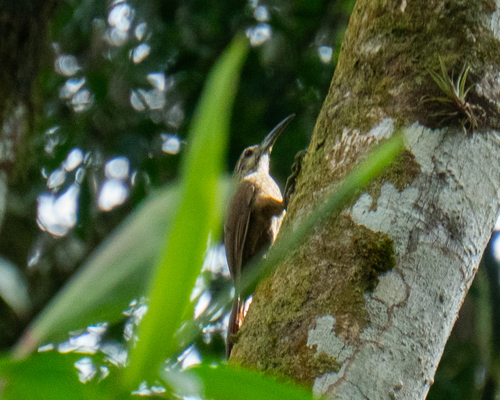
ノドジロオニキバシリ (Xiphocolaptes albicollis) ノドジロオニキバシリ
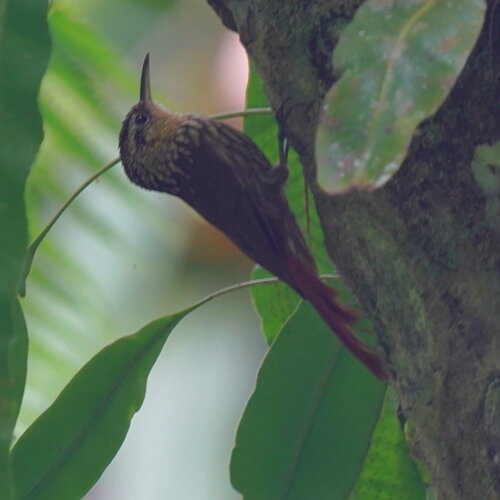
ヒメウロコオニキバシリ (Xiphorhynchus fuscus) ヒメウロコオニキバシリ

メディア

読み込み中…

要点

この2種のオニキバシリの最も信頼できるフィールドマークは、その劇的なサイズの違いです:ノドジロオニキバシリは巨大で重い体を持つ鳥ですが、ヒメウロコオニキバシリはスリムでずっと小さいです。長くて太く、下向きのくちばしとがっしりした体を持つオニキバシリを見たら、それはノドジロです;細身で、より繊細でわずかに下向きのくちばしを持つ鳥はヒメウロコです。両者の幼鳥は成鳥に似ていますが、ノドジロの幼鳥は錆びた黄色の冠の斑点を示し、ヒメウロコの幼鳥は下部の斑点が弱いです。止まっている時や飛行中の姿を見て、全体の体格、くちばしの形、喉の色に注目して迅速に区別してください。

識別のコツ

  1. サイズが最も即座の手がかり:ノドジロオニキバシリは巨大で重い体(27.5–33 cm、120 g)を持ち、ヒメウロコオニキバシリは小さくてスリム(15–18.5 cm、19.4 g)です。2羽のオニキバシリを一緒に見ると、サイズの差は明らかです。
  2. くちばしの構造:ノドジロは太くて長く、強く下向きのくちばしを持ち、ヒメウロコはずっと細く、わずかに下向きのくちばしを持っています。これは距離があってもシルエットでも見えます。
  3. 喉の色:ノドジロは白から淡い白の喉を示し、暗い顔や下部と対照的です;ヒメウロコは平坦なクリーミーイエローの喉を持ち、他の下部との対比が少ないです。
  4. 冠のパターン:ノドジロでは、黒い冠に強いクリームまたは淡いストライプを探してください;ヒメウロコは黒褐色の冠に小さな黄褐色からシナモン色の斑点があります。幼鳥のノドジロには錆びた黄色の冠の斑点があります。
  5. 胸と腹の模様:ノドジロの胸と側面には暗い縁のある大胆な淡いストライプがあり、腹、太もも、尾羽の覆い羽は明確に縞模様です。ヒメウロコの下部は煙のような茶色で、暗い縁のある淡い斑点から鱗のような外観を持ち、ストライプや縞模様はありません。
  6. 背中と尾の色:ノドジロは茶色がかったオリーブ色の背中と錆びた栗色の尾を持ち、ヒメウロコの背中はオリーブ茶色から赤褐色で、赤栗色の尾と尾羽を持っています。
  7. 尾の色:両者とも栗色/赤褐色の尾を持ちますが、ノドジロの尾はより暗い栗色で、シャフトも暗いです。一方、ヒメウロコの尾は赤栗色で、尾と飛行羽により密接に一致します。
  8. 眉斑と顔:両者とも淡い眉斑を持ちますが、いくつかのノドジロの亜種ではより広く、明らかです。両者とも暗い顔を持ちますが、ノドジロの方がより模様があります(目の後ろの暗いストライプ、黒っぽい頬のストライプ)。
  9. 幼鳥の違い:幼鳥のノドジロは錆びた黄色の冠の斑点と短いくちばしを持ち、幼鳥のヒメウロコは下部の斑点が弱いですが、他は成鳥に似ています。
  10. 飛行と姿勢:ノドジロは飛行中に重くて遅く見え、短めの尾を持ちます;ヒメウロコはより敏捷で速く、体に対して長く見える尾を持ちます。
  11. 脚と足の色:ノドジロの脚と足は変動がありますが、一般的に暗いです;ヒメウロコはオリーブグレーから青みがかった灰色です。これは小さなマークで、写真や近くから見ると最もよく見えます。
  12. 虹彩の色:ノドジロの虹彩は赤から茶色で、ヒメウロコの虹彩は暗い茶色です。これは微妙で、フィールドでは診断的であることは稀です。
  13. くちばしの色:ノドジロのくちばしは黒で、時々角のような色の下顎を持ちます;ヒメウロコの上顎は黒褐色から暗い角で、下顎はピンクから白で、時々暗い先端を持ちます。
  14. 亜種の変異:いくつかのノドジロの亜種は全体的に淡く、縞模様やストライプが弱いですが、それでもヒメウロコよりもずっと大きくてがっしりしています。
  15. 生息地の重複:両種は一緒に生息することができるため、識別のために位置や生息地だけに頼らないでください。

大きさ

ノドジロオニキバシリはオニキバシリとしては非常に大きく、約120 gで27.5–33 cmの長さです。その体は重く、短めの尾と太く長い下向きのくちばしを持っています。それに対して、ヒメウロコオニキバシリはずっと小さくて軽く、わずか19.4 gで15–18.5 cmの長さです。目立ってスリムで、長めですがずっと繊細なくちばしを持っています。距離があっても、暗い光の中でも、サイズの差は目を引きます—ノドジロはほぼ2倍の長さで、ヒメウロコの6倍以上の重さです。

羽色

幼鳥のノドジロオニキバシリは冠に錆びた黄色の斑点を示し、ヒメウロコオニキバシリの幼鳥は下部に弱い斑点を持ちますが、他は成鳥に似ています。成鳥の場合、ノドジロは白から淡い白の喉を持ち、胸と側面には暗い縁のある大胆な淡いストライプがあり、腹、太もも、尾羽の覆い羽には明確な縞模様があります。その背中は茶色がかったオリーブ色で、錆びた栗色の尾を持ち、尾は暗い栗色です。ヒメウロコオニキバシリの成鳥は平坦なクリーミーイエローの喉を持ち、胸と腹には暗い縁のある淡い斑点から鱗のような外観を持ち(ストライプではなく)、シナモン色の尾羽と下羽の覆い羽を持っています。彼らの背中はオリーブ茶色から赤褐色で、赤栗色の飛行羽、尾、尾羽を持っています。眉斑は両者とも広く、クリーミーから黄褐色ですが、いくつかのノドジロの亜種ではより明らかです。冠のパターンは異なります:ノドジロは黒い冠に強いクリームから淡いストライプを持ち、ヒメウロコは黒褐色の冠に小さな黄褐色からシナモン色の斑点を持っています。

行動

両種は木の幹や枝を登って餌を探しますが、ノドジロオニキバシリの大きなサイズと重い体は、敏捷で速いヒメウロコオニキバシリに比べて、より遅く、より意図的な動きを与えます。飛行中、ノドジロはよりがっしりしていて敏捷性が低く見え、ヒメウロコは止まり木の間を迅速に移動する可能性が高いです。これらの行動の違いは微妙で、構造的および羽毛の手がかりと組み合わせて使用するのが最適です。

生息環境

両種はアルゼンチン、ブラジル、パラグアイに生息し、しばしば重複する森林生息地内にいます。生息地だけでは2種の識別には診断的ではないため、同じ環境内で見つかることがあります。

より良い説明を送る

比較と同じ項目を使ってください。文章はすぐに公開されます。

The most reliable field mark between these two woodcreepers is their dramatic size difference: White-throated Woodcreeper is a massive, heavy-bodied bird, while Lesser Woodcreeper is slim and much smaller. If you see a woodcreeper with a long, thick, decurved bill and a bulky frame, it's White-throated; a slender bird with a finer, slightly decurved bill is Lesser. Juveniles of both are similar to adults, but White-throated juveniles show rusty-yellow crown spots, while Lesser juveniles have weaker underpart spotting. In perched or flight views, focus on overall bulk, bill shape, and throat color for quick separation.

  1. Size is the most immediate clue: White-throated Woodcreeper is huge and heavy-bodied (27.5–33 cm, 120 g), while Lesser Woodcreeper is small and slim (15–18.5 cm, 19.4 g). If you see two woodcreepers together, the size gap is unmistakable.
  2. Bill structure: White-throated has a thick, long, strongly decurved bill; Lesser has a much slimmer, slightly decurved bill. This is visible even at a distance or in silhouette.
  3. Throat color: White-throated shows a white to buffy white throat, contrasting with the darker face and underparts; Lesser has a plain creamy yellow throat, less contrasting with the rest of the underparts.
  4. Crown pattern: On White-throated, look for strong cream or buff streaks on a black crown; Lesser has smaller yellowish buff to cinnamon spots on a blackish brown crown. Juvenile White-throateds have rusty-yellow crown spots.
  5. Breast and belly markings: White-throated's breast and sides have bold pale streaks with dark edges, and the belly, thighs, and undertail coverts are distinctly barred. Lesser's underparts are smoky brown with a scaly look from dark-edged buff spots, not streaks or bars.
  6. Back and rump color: White-throated has a brownish olive back with a rusty-chestnut rump; Lesser's back is olive-brown to reddish brown, with a rufous-chestnut rump and tail.
  7. Tail color: Both have chestnut/rufous tails, but White-throated's is darker chestnut with darker shafts, while Lesser's is rufous-chestnut and matches the rump and flight feathers more closely.
  8. Supercilium and face: Both have a pale supercilium, but it is wider and more obvious in some White-throated subspecies. Both have dark faces, but White-throated's is more patterned (dark stripe behind eye, blackish cheek stripe).
  9. Juvenile differences: Juvenile White-throateds have rusty-yellow crown spots and a shorter bill; juvenile Lessers have weaker underpart spotting but otherwise look like adults.
  10. Flight and posture: White-throated appears heavy and slow in flight, with a shortish tail; Lesser is more agile and quick, with a longer-looking tail relative to its body.
  11. Leg and foot color: White-throated's legs and feet are variable but generally dark; Lesser's are olive-gray to bluish gray. This is a minor mark, best seen in photos or close views.
  12. Iris color: White-throated's iris is red to brown; Lesser's is dark brown. This is subtle and rarely diagnostic in the field.
  13. Bill color: White-throated's bill is black, sometimes with a horn-colored mandible; Lesser's maxilla is blackish brown to dark horn, mandible pinkish to white, sometimes with a darker tip.
  14. Subspecies variation: Some White-throated subspecies are paler overall, with weaker barring or streaking, but still much larger and bulkier than any Lesser.
  15. Habitat overlap: Both species can occur together, so do not rely on location or habitat alone for identification.

White-throated Woodcreeper is exceptionally large for a woodcreeper, weighing about 120 g and measuring 27.5–33 cm in length. Its body is heavy, with a shortish tail and a thick, long, decurved bill. In contrast, Lesser Woodcreeper is much smaller and lighter, at only 19.4 g and 15–18.5 cm long. It is noticeably slim, with a longish but much finer bill. Even at a distance or in poor light, the size gap is striking—White-throated is nearly twice as long and over six times as heavy as Lesser.

Juvenile White-throated Woodcreeper shows rusty-yellow spots on the crown, while juveniles of Lesser Woodcreeper have weaker spotting on the underparts but otherwise resemble adults. For adults, White-throated has a white to buffy white throat, bold pale streaks with dark edges on the breast and sides, and distinct barring on the belly, thighs, and undertail coverts. Its back is brownish olive with a rusty-chestnut rump, and the tail is dark chestnut. Lesser Woodcreeper adults have a plain creamy yellow throat, a scaly appearance on the breast and belly from dark-edged buff spots (not streaks), and cinnamon undertail and underwing coverts. Their back is olive-brown to reddish brown, with rufous-chestnut flight feathers, rump, and tail. The supercilium is wide and creamy to yellowish buff in both, but more obvious in some White-throated subspecies. Crown patterning differs: White-throated has strong cream to buff streaks on a black crown, while Lesser has small yellowish buff to cinnamon spots on a blackish brown crown.

Both species forage by climbing tree trunks and branches, but White-throated Woodcreeper's large size and heavy build give it a slower, more deliberate movement compared to the nimble, quick Lesser Woodcreeper. In flight, White-throated appears bulkier and less agile, while Lesser is more likely to move rapidly between perches. These behavioral differences are subtle and best used in combination with structural and plumage cues.

Both species occur in Argentina, Brazil, and Paraguay, often within overlapping forested habitats. Habitat alone is not diagnostic between the two, as both can be found in similar environments within their shared range.

変更を破棄しますか?

保存していない編集があります。今離れると失われます。

ノドジロオニキバシリ · ヒメウロコオニキバシリ · 苦手な鳥