

Motmot

オジロライチョウ 対 カラフトライチョウ

Lagopus leucura 対 Lagopus lagopus

オジロライチョウとカラフトライチョウのクイズ
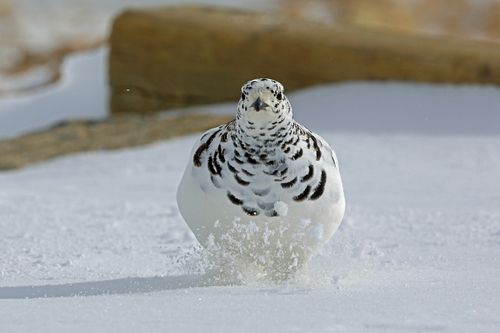
オジロライチョウ (Lagopus leucura) オジロライチョウ
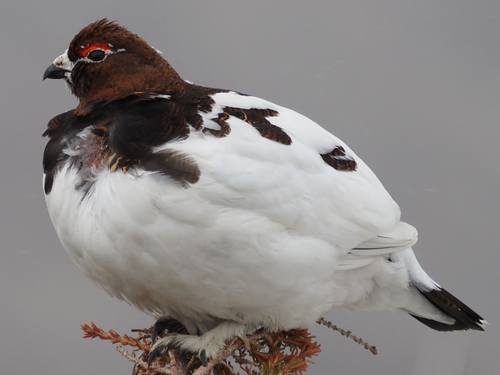
カラフトライチョウ (Lagopus lagopus) カラフトライチョウ

メディア

読み込み中…

要点

オジロライチョウとカラフトライチョウの最も信頼できるフィールドマークは尾です:オジロライチョウはすべての羽衣で完全に白い尾と白い翼を常に示しますが、カラフトライチョウは黒い尾(中央の2羽の羽を除く)と白い翼を持っています。夏には、オジロライチョウは上面が細かく縞模様の灰褐色で、白い腹部と尾を持ち、カラフトのはるかに茶色がかった赤みのある上面と黒い尾と対照的です。オジロライチョウははるかに小さく、よりコンパクトで、短いくちばしを持ち、樹木の上の高山地帯を好みますが、カラフトは大きく、重く、低い茂みの多い生息地に見られます。これらの違いはすべての年齢と季節に当てはまりますが、特に飛行中や鳥が飛び立ったときに顕著です。

識別のコツ

  1. 尾の色は最も信頼できるマークです: オジロライチョウは常に完全に白い尾を持ち、カラフトライチョウは中央の2羽の羽だけが白い黒い尾を持っています。これは飛行中、飛び立ったとき、または尾が広げられたときに見えます。
  2. 翼の色: 両種は年間を通じて白い翼を持っていますが、白い翼と白い尾の組み合わせはオジロライチョウに特有です。
  3. 全体のサイズと構造: カラフトライチョウははるかに大きく、重く、深い胸、長い首、広いくちばしを持っています。オジロライチョウは小さく、丸みを帯び、よりコンパクトで、短くて細いくちばしを持っています。
  4. くちばしのサイズ: カラフトのくちばしは、正面または横から見たときに明らかに厚く、広いです。
  5. 夏の上面: オジロライチョウは白い腹部と尾を持つ細かく縞模様の灰褐色の上面を持っています。カラフトは上面がはるかに茶色がかり、赤みを帯びた首と胸を持っています。
  6. 冬の羽衣: 両種は主に白くなりますが、カラフトは黒い尾羽を保持し、オジロライチョウは完全に白くなります。
  7. 雌と未成熟の羽衣: 雌のカラフトライチョウは白い腹部に混ざった茶色の羽毛を持ち、雌のオジロライチョウはきれいな白い腹部を持っています。両種の未成熟の鳥は成鳥に似ていますが、尾と翼の模様は診断的です。
  8. 生息地: オジロライチョウは樹木の上の高山地帯にのみ見られ、カラフトは低い茂みの多い生息地や湿原に見られ、しばしばヤナギやカバノキの近くにいます。
  9. 行動: オジロライチョウは静かに座っているか、岩や雪の間を歩いているのが見られることが多く、飛び立つことはめったにありません。カラフトは特に夏の終わりや秋に家族群や群れで見られることが多いです。
  10. 目のコーム: 両方のオスは赤い目のコームを持っていますが、これはこれら2種の間の信頼できる分離マークではありません。
  11. 脚と足の羽毛: 両種は羽毛のある脚と足を持っていますが、これは有用な分離マークではありません。
  12. 飛行の印象: 飛行中、オジロライチョウはよりコンパクトで丸みを帯びて見え、体のサイズに対して短い尾と小さな翼幅を持っています。カラフトはより大きく、長い翼を持っているように見えます。
  13. 文脈: ロッキー山脈や北アメリカ西部の高山地帯の樹木の上にいる場合、オジロライチョウの方がはるかに可能性が高いです。茂みの多いツンドラ、湿原、または北方森林の端では、カラフトが期待されます。
  14. 落とし穴: 冬には、両種は遠くから非常に似て見えることがありますが、カラフトの黒い尾は常に存在し、診断的です。
  15. 疑わしい場合: 尾の色と生息地に焦点を当ててください—これら2つのマークはフィールドで全ての年齢と性別を分けるでしょう。

大きさ

カラフトライチョウはオジロライチョウよりもかなり大きく、重いです。カラフトは平均約650g(範囲430–810g)で、長さは35–44cmで、最大のライチョウです。オジロライチョウは北アメリカで最も小さなギャラリーで、平均325g、長さ31–34cmです。フィールドでは、オジロライチョウは明らかによりコンパクトで丸い体型に見え、体のサイズに対して小さく、細いくちばしと短い脚を持っています。カラフトは深い胸、長い首、広いくちばしを持っています。

羽色

すべての年齢と季節において、オジロライチョウは完全に白い尾と白い翼を持ち、夏や移行羽衣でも同様です。カラフトライチョウは常に黒い尾(中央の2羽の尾羽は白)と白い翼を示します。夏には、オジロライチョウは白い腹部、尾、翼を持つ細かく縞模様の灰褐色の上面を持ち、この模様は暗い上面に薄茶色の縁取りバンドと小さな内部斑点によって達成されます。カラフトは上面がはるかに茶色がかり、赤みを帯びた首と胸、黒い尾、白い翼と腹部を持ち、雌のカラフトは白い腹部に散らばった茶色の羽毛を持っています。冬には、両種は主に白くなりますが、カラフトは黒い尾羽を保持し、オジロライチョウは完全に白くなります。両種の未成熟の鳥は成鳥に似ていますが、尾と上翼の模様は一貫しており、診断的です。

行動

オジロライチョウはより静止しており、しばしば飛行を避け、冬には雪の中で休むことを好みます。高山環境に適応しており、目立たない傾向があり、カモフラージュのために隠れた色合いと静止を利用しています。カラフトライチョウは、特に夏の終わりや秋に家族の群れで見られることが多く、オスは繁殖期に領土的で攻撃的です。カラフトは冬に低い標高に短距離移動することがありますが、オジロライチョウは年間を通じて高山地帯に留まります。

生息環境

オジロライチョウは厳密に高山種であり、北アメリカ西部の山岳地域、アラスカ、西カナダ、ロッキー山脈の樹木の上または上に見られます。樹木の下ではめったに見られません。カラフトライチョウは低い標高に生息し、北ユーラシアと北アメリカのカバノキやヤナギの茂み、湿原、ツンドラで繁殖し、ニューファンドランド、ラブラドル、ケベックを含みます。カラフトはオジロライチョウが好む高くて荒れた高山生息地には通常見られません。

声

両種は一般的に静かですが、オジロライチョウは特に静かで、時々低いフーという音や柔らかいクルクルという音を出します。カラフトライチョウは提供されたメモにおいて特に特徴的な声を持っているとは記載されておらず、声は分離のための信頼できるフィールドマークではありません。

より良い説明を送る

比較と同じ項目を使ってください。文章はすぐに公開されます。

The most reliable field mark between White-tailed Ptarmigan and Willow Ptarmigan is the tail: White-tailed Ptarmigan always shows an entirely white tail and white wings in all plumages, while Willow Ptarmigan has a black tail (except for the two central feathers) and white wings. In summer, White-tailed is finely barred grayish-brown above with a white belly and tail, contrasting with Willow's much browner, reddish-toned upperparts and black tail. White-tailed is much smaller and more compact, with a shorter bill and a preference for high alpine terrain above treeline, while Willow is larger, heavier, and found in lower, shrubbier habitats. These differences hold for all ages and seasons, but are especially apparent in flight or when the birds are flushed.

  1. Tail color is the single most reliable mark: White-tailed Ptarmigan always has an all-white tail, while Willow Ptarmigan has a black tail with only the central two feathers white. This is visible in flight, when flushed, or when the tail is fanned.
  2. Wing color: Both species have white wings year-round, but the combination of white wings and white tail is unique to White-tailed.
  3. Overall size and structure: Willow Ptarmigan is much larger and heavier, with a deep chest, longer neck, and broader bill. White-tailed is smaller, rounder, and more compact, with a shorter, finer bill.
  4. Bill size: Willow's bill is noticeably thicker and broader, especially when seen head-on or in profile.
  5. Summer upperparts: White-tailed has finely barred grayish-brown upperparts with a white belly and tail. Willow is much browner and redder above, with a reddish neck and breast.
  6. Winter plumage: Both species become mostly white, but Willow retains its black tail feathers, while White-tailed is entirely white.
  7. Female and immature plumage: Female Willow Ptarmigan has brown feathers mixed into the white belly, while female White-tailed has a clean white belly. Immature birds of both species resemble adults, but tail and wing patterns remain diagnostic.
  8. Habitat: White-tailed is only found in high alpine zones above treeline; Willow is found in lower, shrubbier, or moorland habitats, often near willows or birches.
  9. Behavior: White-tailed is more likely to be seen sitting quietly or walking among rocks and snow, rarely flying unless flushed. Willow is more likely to be seen in family groups or flocks, especially in late summer and fall.
  10. Eye combs: Both males have red eye combs, but this is not a reliable separation mark between these two species.
  11. Leg and foot feathering: Both species have feathered legs and feet, but this is not a useful separation mark.
  12. Flight jizz: In flight, White-tailed appears more compact and rounded, with a shorter tail and smaller wingspan relative to body size. Willow appears bulkier and longer-winged.
  13. Context: If you are above treeline in the Rockies or high mountains of western North America, White-tailed is far more likely. In shrubby tundra, moorland, or boreal forest edge, Willow is expected.
  14. Pitfall: In winter, both species can appear very similar at a distance, but the black tail of Willow is always present and diagnostic.
  15. When in doubt: Focus on the tail color and habitat—these two marks will separate all ages and sexes in the field.

Willow Ptarmigan is substantially larger and heavier than White-tailed Ptarmigan. Willow averages about 650 g (range 430–810 g), with a length of 35–44 cm, making it the largest ptarmigan. White-tailed is the smallest grouse in North America, averaging 325 g and measuring 31–34 cm in length. In the field, White-tailed appears noticeably more compact and round-bodied, with a smaller, finer bill and shorter legs relative to body size. Willow is deep-chested, longer-necked, and has a broader bill.

For all ages and seasons, White-tailed Ptarmigan has a completely white tail and white wings, even in summer and transitional plumages. Willow Ptarmigan always shows a black tail (except for the two central tail feathers, which are white) and white wings. In summer, White-tailed is finely barred grayish-brown above with a white belly, tail, and wings, and the pattern is achieved by light-brown marginal bands and small internal spots on the dark upperparts. Willow is much browner and redder above, with a reddish neck and breast, a black tail, and white wings and underparts; the female Willow has brown feathers scattered among the white belly. In winter, both species become mostly white, but Willow retains its black tail feathers, while White-tailed is entirely white. Immature birds of both species resemble adults, but the tail and upperwing pattern remain consistent and diagnostic.

White-tailed Ptarmigan is more sedentary, often avoiding flight and preferring to roost in snowbanks during winter. It is adapted to high alpine environments and tends to be less conspicuous, relying on cryptic coloration and stillness for camouflage. Willow Ptarmigan is more likely to be seen in family flocks in late summer and fall, and males are territorial and aggressive during the breeding season. Willow may migrate short distances to lower elevations in winter, while White-tailed remains resident in alpine zones year-round.

White-tailed Ptarmigan is strictly an alpine species, found on or above the treeline in mountainous regions of western North America, including Alaska, western Canada, and the Rockies. It is rarely found below treeline. Willow Ptarmigan occupies lower elevations, breeding in birch and willow thickets, moorlands, and tundra across northern Eurasia and North America, including Newfoundland, Labrador, and Quebec. Willow is not typically found in the high, barren alpine habitats favored by White-tailed.

Both species are generally quiet, but White-tailed Ptarmigan is especially silent, sometimes giving low hoots or soft clucking. Willow Ptarmigan is also not noted for distinctive vocalizations in the provided notes, and voice is not a reliable field mark for separation.

変更を破棄しますか?

保存していない編集があります。今離れると失われます。

オジロライチョウ · カラフトライチョウ · 苦手な鳥